Category: Industry Commentary and Controversies

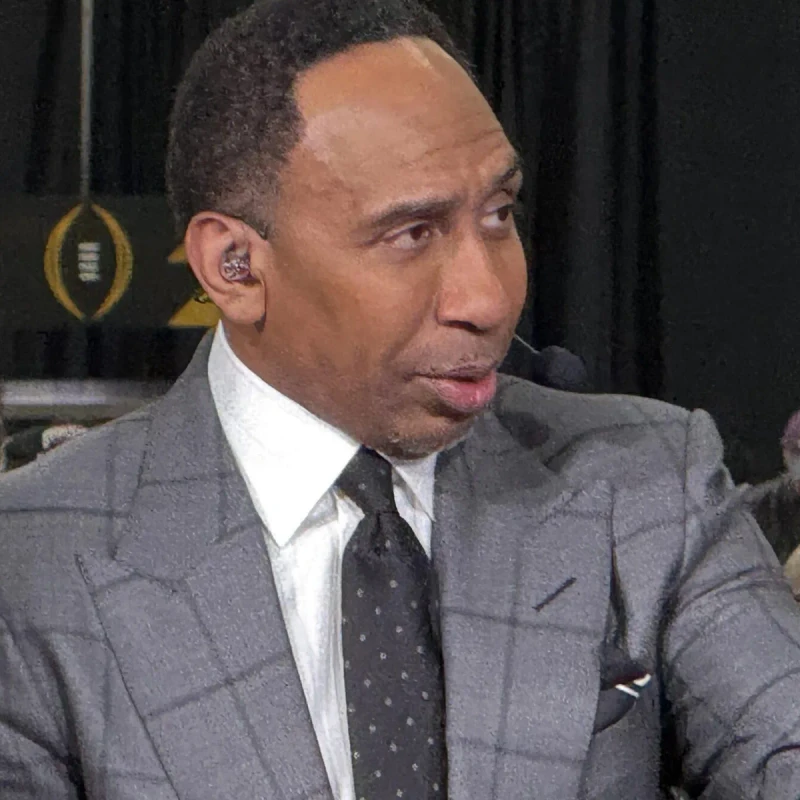
  • Stephen A. Smith Explains NBA Countdown Exit

    There’s been a lot of buzz around Stephen A. Smith’s absence from the upcoming NBA Countdown season. With ESPN announcing its new lineup, many wondered why the prominent sports personality wouldn’t be part of the show. Well, Smith himself has now broken his silence, and it turns out the reason is simpler than you might think.

    It Was His Decision

    During his SiriusXM show, “Straight Shooter,” Smith clarified that his departure from “NBA Countdown” was a decision he made himself. He explained that his ever-increasing workload simply became too much to manage alongside the late-night studio hours required for the show. “I didn’t want to be stuck in studio until midnight,” he admitted.

    Smith emphasized that this wasn’t a sudden development or a disagreement with ESPN. Instead, it was a mutual understanding reached during contract negotiations that began last year and concluded in March/April. He stressed that there’s “no shade” being thrown at his colleagues or the network, whom he considers family.

    Availability When Needed

    While Smith won’t be a regular fixture on “NBA Countdown,” he did mention he’s open to making occasional appearances if the team needs him. He’s always available for his ESPN family, whether it’s for a few dates a year or to join the crew featuring legends like Charles Barkley, Kenny Smith, Shaq, and Ernie Johnson.

    He reiterated that his intention was always to step back from the full-time role, making this a “non-story” in his eyes. It was a negotiated outcome that allows him flexibility for his other numerous projects.

    A Packed Schedule

    Smith’s plate is indeed full. Beyond his iconic role on “First Take,” he hosts “Straight Shooter” on SiriusXM and is involved in various other radio and digital ventures. He’s also expanded his expertise into political commentary in recent years, showcasing his versatility as a media personality.

    Focusing on What Matters

    Ultimately, Stephen A. Smith’s decision to step back from “NBA Countdown” is about managing his demanding schedule and focusing his energy on his diverse range of commitments. It’s a move that allows him to continue delivering high-quality content across multiple platforms without being stretched too thin.

    What do you think about Stephen A. Smith’s decision to leave NBA Countdown? Do you think he’ll be missed? Let us know your thoughts in the comments below!

  • Black Women: Pushed Out, Not Just Burned Out

    Have you ever felt like you’re constantly adapting, adjusting, and shrinking yourself just to fit into a workplace? It’s a familiar feeling for many, especially Black women, who often navigate professional environments that weren’t built with their success in mind. While burnout is a common topic, the reality for many Black women is that they’re not just tired – they’re being actively pushed out. And the price for this isn’t just paid by them; it impacts us all.

    The Tension Between Shrinking and Thriving

    Think about it: when an organization doesn’t truly make space for diverse leadership, individuals learn to fit in rather than thrive. This often means suppressing unique perspectives or quieting innovative ideas. As Kamala Harris noted in her memoir, sometimes workplaces demand “smallness” instead of fostering growth. This tension between needing to shrink to be accepted and wanting to thrive with your full potential is a pervasive issue.

    We saw a surge of Black leaders stepping into prominent roles during the 2020s’ racial reckoning. However, many of these talented individuals departed just as quickly, often citing feelings of not being treated as leaders or constantly questioning themselves. These aren’t isolated incidents; they point to a systemic problem.

    Truth 1: Kind Invitations Aren’t Always Enough

    Simply hiring a Black woman and calling it “change” doesn’t create transformation. When an institution offers a “kind invitation” without being prepared to truly integrate new leadership, initiative, or clarity, the person who stepped through the door ready to thrive can quickly become seen as a threat. This creates a cycle where talent is present, but the environment doesn’t support success.

    Research backs this up: a Harvard study found Black women on predominantly white teams have a significantly higher turnover rate than white women. Forbes estimated that the departure of nearly 300,000 Black women from the workforce in just a few months cost the U.S. economy $37 billion. This isn’t about a lack of talent; it’s about environments that fail to empower people. True empowerment means shifting power, providing real resources, and trusting individuals to make decisions.

    Truth 2: Recognition Goes Beyond Praise

    In today’s workplace, recognition needs to be more than just a pat on the back. Employees want to be known, not just noticed. This means consistent, meaningful acknowledgment. Think public credit sharing, private feedback, regular check-ins instead of just annual reviews, and leaders actively asking what support looks like for each individual.

    When acknowledgment is woven into the daily rhythm of work, people feel a sense of belonging. Managers need to proactively “see” their employees, not just wait for problems to arise. And for those seeking recognition, don’t be afraid to ask for a check-in – save the guesswork for something less important than your career!

    Truth 3: Consistency Builds Lasting Progress

    Anyone can make a public statement or a glossy report. But true progress comes from consistent action, day in and day out, through budgets, meetings, and everyday decisions. Institutions like The Studio Museum in Harlem demonstrate this by consistently supporting the people who shape them, fostering leaders whose influence extends far beyond their tenure.

    This kind of lasting impact requires a vision, yes, but more importantly, it demands a dedicated commitment to ensuring the institution grows alongside the people who make it successful. Real change spreads slowly and consistently, building a legacy rather than just making a temporary splash.

    Building Environments for Everyone to Thrive

    Ultimately, thriving at work isn’t a perk; it’s foundational to a successful system. Leaders have a choice: they can simply open doors and hope for the best, or they can actively build environments where everyone, regardless of their background, is set up to win. Just as Montreal might have taught shared resilience, success in any field is interconnected. Creating workplaces where everyone can thrive benefits not just individuals, but the entire organization and society as a whole.

    What are your experiences with workplace structures? How can organizations better support Black women and foster environments where everyone can thrive? Share your insights in the comments below!

  • Victoria Monét on AI Music: Protect Creators!

    Imagine pouring your heart and soul into your craft, only to see something artificial rise up and potentially blur the lines of your identity and brand. That’s the reality Grammy-winning singer Victoria Monét is grappling with, and she’s calling for a serious conversation about AI in the music industry.

    The Rise of Xania Monet and Victoria’s Concerns

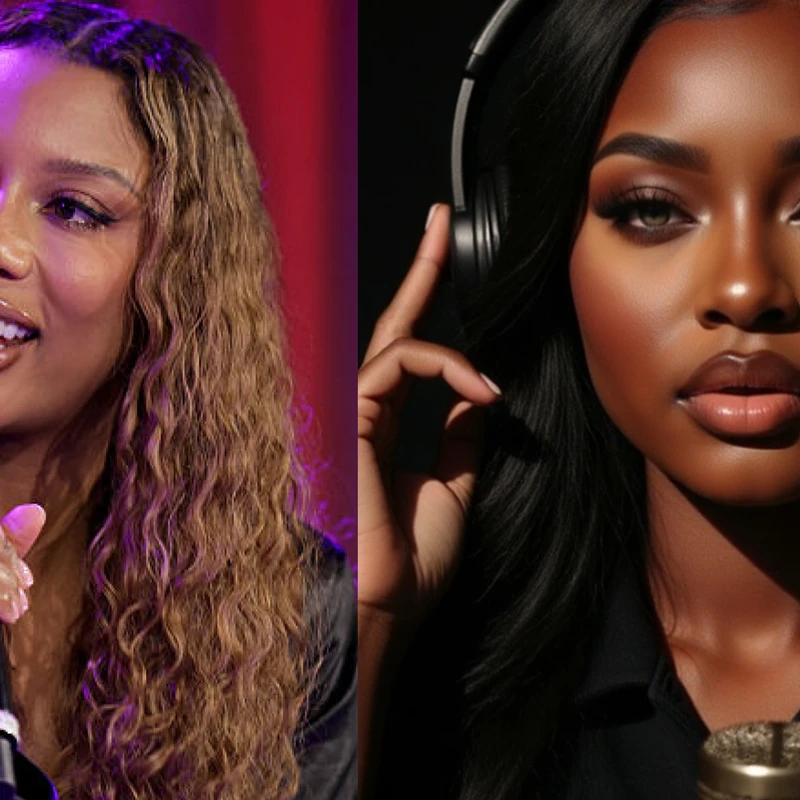
    The buzz around AI artist Xania Monet has been significant. This AI creation, whose music is penned by poet and entrepreneur Telisha “Nikki” Jones, has not only topped charts but also landed a multi-million-dollar record deal. While Xania’s creator emphasizes the genuine emotion in her lyrics, Victoria Monét finds it hard to believe that Xania wasn’t, in some way, inspired by her likeness.

    Monét shared a striking anecdote: a friend used ChatGPT to generate an image of “Victoria Monét making tacos,” and the resulting picture bore a resemblance to Xania. This has led Monét to question the fairness of an AI artist capitalizing on a name that could easily be confused with her established brand, especially without explicit use of her name in the prompt.

    The Unfair Competition of AI

    Beyond the likeness issue, Monét highlights a more fundamental challenge: the sheer speed and endurance of AI. “It definitely puts creators in a dangerous spot because our time is more finite,” she explained to Vanity Fair. Human artists need rest, but AI can churn out content around the clock, creating an almost impossible competitive landscape.

    This disparity raises critical questions about how human creativity can thrive when faced with tireless artificial counterparts. How do we ensure that the value of human artistry isn’t diminished?

    A Call for Clearer Guidelines and Labels

    Victoria Monét is advocating for transparency, suggesting that AI-generated music should be clearly labeled as “artificial,” much like how food products are labeled. This would help consumers and industry professionals distinguish between human-made and AI-generated content.

    She emphasizes the need for guidelines to protect creators who are most vulnerable to these technological shifts. “We’re introducing a tool with a lot of potential, but without the guidelines to protect the people who may be affected by it the most, which would be the creators,” Monét stated.

    Industry Reactions

    Monét isn’t alone in her concerns. Fellow R&B artist Kehlani has also voiced her disapproval of AI artists, stating plainly in a TikTok video, “I don’t respect it.” This sentiment reflects a growing unease within the creative community.

    Xania Monet’s creator, Telisha Jones, however, maintains a different perspective. She acknowledges the differing opinions but points to the continuous evolution of technology. “Everybody has different ways of putting in the work to get to where they’re at. I don’t feel a way about it,” Jones remarked on “CBS Mornings,” suggesting that different paths to success are valid in this new era.

    What’s Next for Music and AI?

    The conversation Victoria Monét is sparking is crucial. As AI continues to advance, the music industry, and indeed all creative fields, must grapple with ethical considerations, intellectual property rights, and the fundamental definition of artistry. Establishing clear regulations and fostering transparency will be key to navigating this new frontier and ensuring that human creators remain valued and protected.

    What are your thoughts on AI-generated music and artists like Xania Monet? Do you think clearer guidelines are needed to protect human creators? Share your opinions in the comments below!