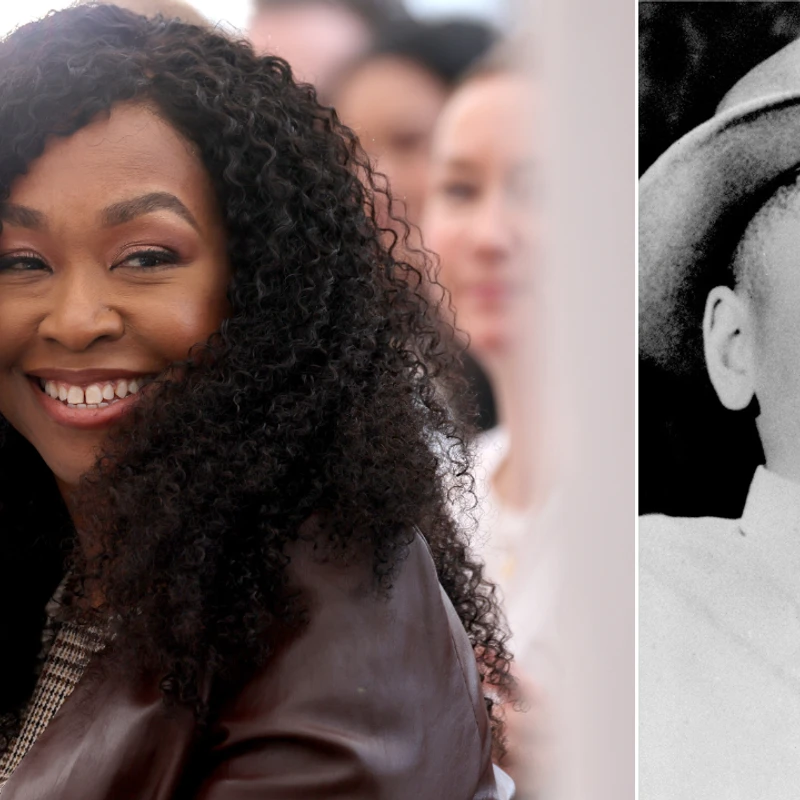
In a powerful move towards historical preservation and restorative justice, the Emmett Till Interpretive Center has acquired the barn in Drew, Mississippi, where 14-year-old Emmett Till was tragically tortured and murdered in 1955. This significant step in safeguarding his story was made possible through the generous support of acclaimed writer and producer Shonda Rhimes.
A Sacred Site for Truth and Remembrance
The organization announced that thanks to Rhimes’ generosity and the determination of local residents, the barn has been purchased and protected. It will be preserved not just as a building, but as sacred ground – a place where the truth of what happened to Emmett Till can live on without fear of being forgotten. The center emphasizes that the goal is not to dwell in grief, but to ensure that truth continues to shape our understanding.
Rhimes, deeply inspired by a 2021 article in ‘The Atlantic’ that investigated the barn’s history, revealed her partnership with the Emmett Till Interpretive Center in 2023. She shared with Robin Roberts on ‘Good Morning America’ that Emmett Till’s murder was a pivotal moment that ignited the civil rights movement. Her hope is that this crucial story will never be lost, asserting, ‘History is always told by the victors. And I think that it’s important that the Till family is the victor in this story.’
Transforming History into a Public Memorial
By the 75th anniversary of Till’s death in 2030, the barn is slated to open as part of a larger public memorial. This space is envisioned as a site for truth, creativity, and conscience, inviting visitors to reflect and confront the difficult realities of what happened to the young boy. This initiative extends beyond just the barn; the Interpretive Center has also restored the courthouse where justice failed and commemorated the riverbank where Emmett’s body was discovered.
The announcement of the barn’s purchase was intentionally made on November 23, the birthday of Emmett Till’s mother, Mamie Till-Mobley. The organization stated that this work goes beyond mere restoration, posing the profound question: ‘what does it mean to be a people who remember?’ Facing the past honestly is framed not as an act of guilt, but as a shared responsibility, acknowledging that history belongs to everyone and demands engagement from each of us.
The barn is more than just a historical artifact; it serves as a potent reminder of what democracy requires: honesty, courage, and the collective willingness to remember. Shonda Rhimes’ involvement ensures that this vital piece of American history will be preserved and shared for generations to come.
What does the preservation of sites like the Emmett Till barn mean to you? Share your thoughts on remembering history in the comments below!