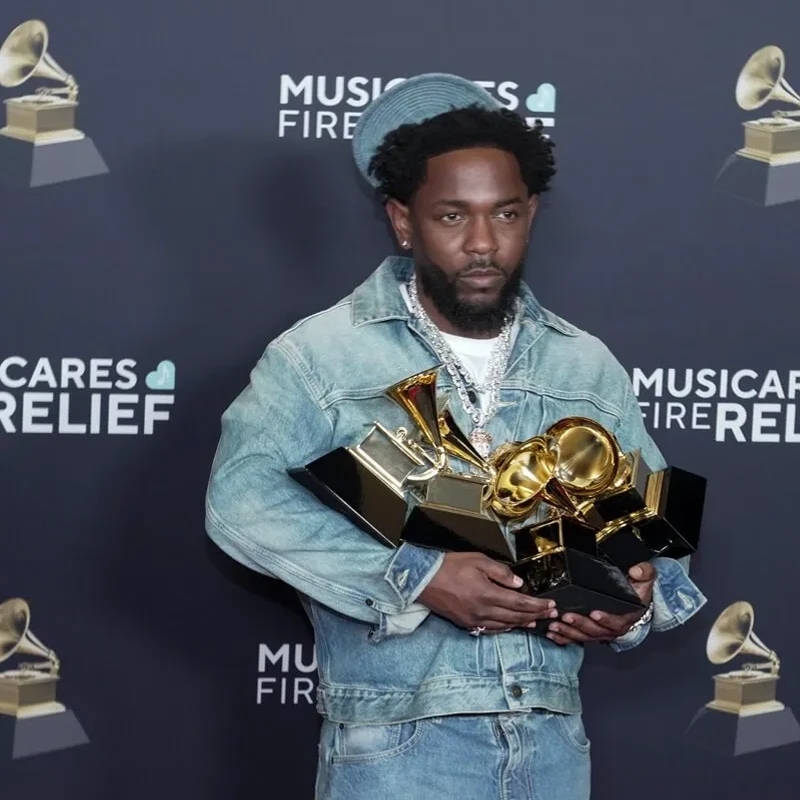
Universal Music Group (UMG) is firing back at Drake’s attempt to revive his lawsuit concerning Kendrick Lamar’s diss track, “Not Like Us.” UMG argues that Drake’s legal action poses a threat to the very essence of rap music, which thrives on creative expression, exaggeration, and wordplay.
UMG’s Defense: Protecting Artistic Freedom
In a recent court filing, UMG urged a federal appeals court to reject Drake’s appeal, asserting that he is attempting to take words out of context after losing the highly publicized rap feud with Lamar. UMG’s attorneys contend that Drake’s stance could “critically undermine a highly creative art form built on exaggeration, insult, and wordplay.”
The lawsuit originated from Drake’s claim that “Not Like Us” was defamatory. Drake alleged that UMG knowingly promoted the song, despite believing its accusations were false, simply because it was a commercial success. Drake’s legal team argued that millions understood the lyrics to convey factual information, leading to the belief that Drake was a “pedophile.”
The Court’s Previous Ruling
This legal battle dates back to October 2025, when a judge dismissed Drake’s case. The judge described the feud as a “war of words” and stated that within the “broader context of a heated rap battle,” a reasonable listener would not interpret the lyrics as factual statements. Following the initial ruling, UMG declared the lawsuit an “affront to all artists and their creative expression.”
The intense rivalry between Drake and Kendrick Lamar escalated significantly in 2024. It began when Lamar targeted Drake on the track “Like That,” sparking a series of retaliatory diss songs. Drake responded with tracks like “Push Ups” and “Family Matters,” while Lamar fired back with “Euphoria,” “Meet the Grahams,” and the widely successful “Not Like Us.”
Accusations and Counter-Accusations
During the height of their feud, Drake accused Lamar of domestic violence, while Lamar alluded to serious allegations of pedophilia against Drake. These accusations highlight the aggressive and personal nature of their lyrical exchanges.
UMG’s current stance emphasizes the importance of protecting artistic license within the hip-hop genre, suggesting that Drake’s lawsuit could set a dangerous precedent for creative freedom.
What do you think about UMG’s argument? Should rap lyrics be protected as artistic expression, even when they contain serious accusations? Share your views in the comments below!