
Category: Health and Legal Issues

  • OJ Da Juiceman Out of Jail After Diabetes Scare

    Big news for fans of OJ Da Juiceman! The Atlanta rapper is back home and focusing on his health and music after a recent stint in jail. While his legal battles are still ongoing, the immediate concern shifted to his well-being when he experienced a serious medical emergency behind bars.

    A Health Scare in Custody

    OJ Da Juiceman, who has Type 1 diabetes, was hospitalized due to a critical health episode while incarcerated. He was transported to Grady Memorial Hospital for urgent care. His management team has been vocal, emphasizing that his health was put at unnecessary risk during his time in jail.

    Thankfully, his representatives confirmed he’s now “doing perfectly fine on the outside” now that he can manage his condition with proper insulin injections. It’s a huge relief to hear he’s recovering and able to get the care he needs.

    Music and the Road Ahead

    Despite this challenging period, OJ Da Juiceman isn’t letting it slow down his artistic momentum. His manager, Rueben Wood, revealed that the rapper was already deep into creating new music before his arrest. Get ready, because those fresh tracks are expected to drop soon!

    Beyond new music, fans can also anticipate his return to live performances. It seems the rapper is eager to get back on stage and connect with his audience. This health scare hasn’t dimmed his passion for performing.

    Legal Challenges Continue

    The rapper’s legal team is actively contesting the charges stemming from an alleged road-rage incident earlier this year. A key development includes a witness affidavit that challenges the police’s account, suggesting OJ Da Juiceman may not have even been driving the vehicle at the time of the confrontation.

    What are your thoughts on OJ Da Juiceman’s release and his upcoming music? Share your excitement in the comments below!

  • Brooklyn Home Lost Over Unknown $5K Water Bill

    Imagine working your entire life, seven days a week, to achieve the dream of homeownership, only to lose it all over a bill you never knew existed. That’s the devastating reality for Filmore Brown, a Brooklyn homeowner who is now fighting to keep his house after it was foreclosed due to an unknown $5,000 water bill.

    A Hidden Debt Leads to Foreclosure

    Brown purchased his Brooklyn home in 1996 and proudly paid off his mortgage in 2019. However, a $5,000 water bill, which he claims he never received or was aware of, became the catalyst for losing his home. The city had sold this unpaid debt to an investor trust as part of a debt collection process.

    The problem? Once the debt was transferred to the investor trust, it disappeared from the city’s billing system. This meant that even though Brown diligently paid his other bills, the outstanding water debt never appeared on his statements. He was completely unaware of the looming problem until contractors, armed with court papers, drilled through his front door in the middle of the night, informing him his home had been auctioned off.

    Fighting for Accountability and Reform

    Brown insists he never received proper notification of the debt or the impending foreclosure. While the trust claims they sent multiple notices, court filings indicate that service was made at the property in November 2020, but Brown states no one in his top-floor apartment received them. This lack of clear communication has left him fighting back with legal representation.

    His story has resonated with many, leading to a growing movement among Brooklyn lawmakers. They are now demanding greater accountability from the city and advocating for crucial reforms. The goal is to implement better notification systems and stronger safeguards to protect homeowners, especially those on fixed incomes, from facing unexpected evictions.

    They’re calling for improved notification systems and safeguards so hardworking homeowners with fixed incomes don’t find themselves fighting eviction they never saw coming. — Brooklyn Lawmakers

    At the heart of this issue is a failure in the city’s safety net, which has left a hardworking individual on the brink of losing everything over a debt he was never made aware of. This case highlights the urgent need to re-evaluate how such debts are handled and how homeowners are notified.

    What are your thoughts on this homeowner’s plight? Do you think the city’s debt collection practices need reform? Share your opinions in the comments below!

  • Ozempic & Zepbound Lawsuits Rise: 2,000+ Claim Side Effects

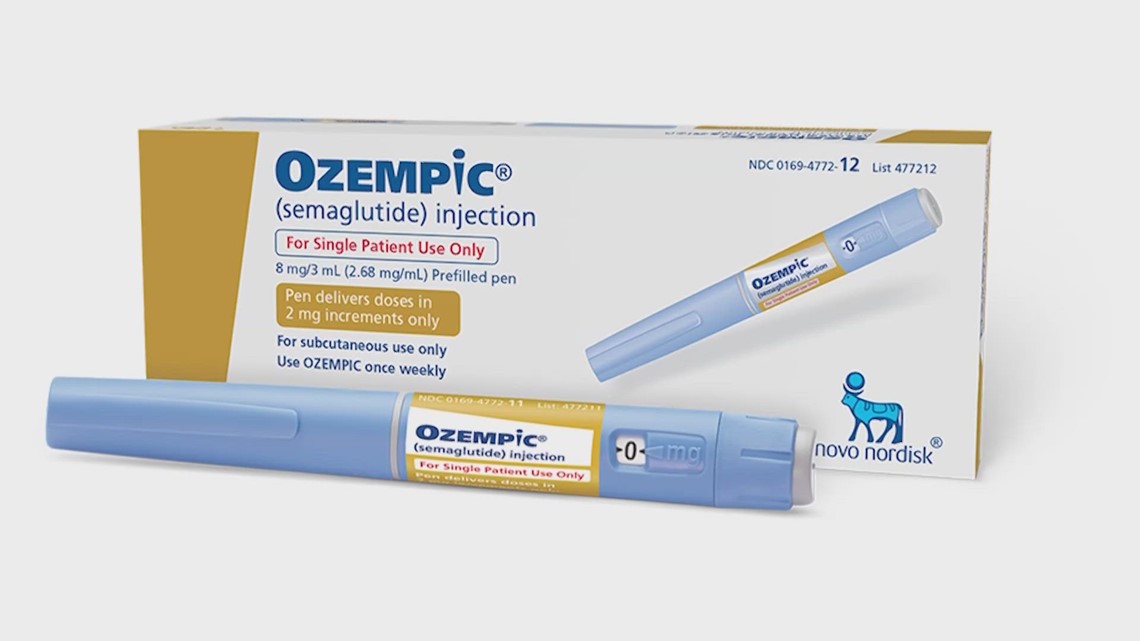
    The popularity of weight-loss drugs like Ozempic and Zepbound has exploded, but a growing number of patients are now coming forward with serious health concerns. Over 2,000 lawsuits have been filed against the manufacturers, Novo Nordisk and Eli Lilly, alleging that these widely used GLP-1 drugs caused dangerous and potentially permanent side effects.

    Allegations of Undisclosed Dangers

    These lawsuits, now consolidated in a Pennsylvania federal court, claim that the drugmakers failed to adequately warn patients about the severe risks associated with these medications. The core of the legal challenges revolves around allegations that patients developed gastroparesis, a condition often referred to as stomach paralysis.

    Beyond gastroparesis, plaintiffs are reporting other severe gastrointestinal issues, including intestinal obstructions, persistent vomiting, and gallbladder disease. Some patients have also linked their use of these drugs to vision loss, specifically non-arteritic anterior ischaemic optic neuropathy. While medical experts acknowledge that GLP-1 drugs slow stomach emptying, the extent and severity of these reported complications are raising significant concerns.

    Regulatory Updates and Company Responses

    In response to these growing concerns, regulatory bodies have begun to act. The FDA updated its safety label for Zepbound in February 2025 to include warnings about ileus, a serious intestinal blockage. Similar updates have been made to the labels for Ozempic and Mounjaro. Despite these developments, both Novo Nordisk and Eli Lilly maintain that their drug information meets federal standards and deny any wrongdoing.

    The litigation is still in its early stages, with the discovery phase underway. Analysts predict that the first test cases might not go to trial until 2026, meaning this legal battle could be a lengthy one. Meanwhile, Novo Nordisk has also taken legal action, filing lawsuits against U.S. pharmacies accused of selling unapproved compounded versions of semaglutide, the active ingredient in Ozempic and Wegovy.

    Have you or someone you know experienced adverse effects from Ozempic or Zepbound? Share your experiences or thoughts on these lawsuits in the comments below.