Category: HBCU Advancements

  • HBCU Career Fest Embraces AI for Post-Grad Success

    Navigating the job market after graduation can be daunting, especially with the rapid rise of Artificial Intelligence. That’s where the HBCU Black Wall Street Career Fest steps in, aiming to empower students from Historically Black Colleges and Universities (HBCUs) to not just survive, but thrive in this new AI-driven landscape.

    Held in Little Rock, Arkansas, the fifth annual event provided a crucial platform for HBCU scholars. Its core mission? To level the playing field and ensure graduates are well-prepared for post-graduation ambitions, with a special focus on careers in technology and business where AI literacy is becoming essential.

    Bridging the Gap with AI Literacy

    The two-day career fest brought together over 100 organizations, vendors, and guests, all supporting the mission of advancing HBCU graduates. This year’s theme centered on integrating AI into career development, encouraging students to see it as a tool for professional growth rather than a threat.

    Edmond W. Davis, Founder of HBCU Black Wall Street, highlighted the disparity in AI curriculum offerings among HBCUs compared to Predominantly White Institutions (PWIs). “We wanted to make sure that we had a level playing field,” Davis explained, emphasizing the need to bring business owners and entrepreneurs back to share insights, particularly through the lens of AI.

    AI as a Competitive Advantage

    Through panels and networking workshops, attendees gained valuable insights into navigating careers where AI plays a significant role. Experts from finance to creative branding urged students to embrace AI literacy, noting that it could make them significantly more competitive in the job market.

    Misti Martisse of Digital Glam Agency shared her passion for community advancement: “I feel like we always kind of like behind the eight ball. So for us, you know, it’s just, it’s our time. It’s an even playing field. Everybody needs to get into it, and it’s not going anywhere. It’s going to be here. It’s like the computer.”

    Combating AI’s Impact on Black Workers

    The reality is that Black job seekers and employees are disproportionately at risk of being displaced by AI, as seen in the initial waves of AI-driven layoffs impacting customer service roles. The HBCU Black Wall Street Career Fest actively works to counteract this trend.

    By equipping students with AI training and knowledge, the event aims to change the trajectory for Black workers, helping to protect their careers and ensure they are part of the future workforce, not left behind by it. This initiative is crucial for fostering economic equity and opportunity.

    How important do you think AI literacy is for recent graduates? What steps can be taken to ensure Black professionals are not left behind in the age of AI? Share your thoughts in the comments below!

  • Jackson State Names First Alumna President

    Big news from Jackson State University! They’ve officially named Dr. Denise Jones Gregory as their 14th President. What makes this appointment even more special? She’s not just a leader; she’s an alumna, making her the first to permanently head the institution she once attended.

    Dr. Gregory has been a familiar face on campus, stepping into the interim president role in May 2025 after serving as provost and vice president of academic affairs. Her permanent appointment comes after a rigorous selection process by the Mississippi Board of Trustees of State Institutions of Higher Learning, which reviewed 79 candidates.

    A Historic Appointment and a Hopeful Future

    This marks a significant moment for Jackson State, especially considering the university has seen several leadership changes since 2016. Dr. Gregory’s selection is met with widespread enthusiasm, not just from the board but also from students, alumni, and the wider community.

    Dr. Steven Cunningham, vice president of the board and chair of the search committee, expressed confidence in Dr. Gregory’s ability to guide the university forward. “The Board of Trustees put a tremendous amount of time and energy into this search process, and we are confident in Dr. Gregory’s ability to help write the next chapter,” he stated.

    From Student to President: A Full Circle Journey

    Dr. Gregory’s connection to Jackson State runs deep. She graduated in 1994 with a bachelor’s degree in chemistry and went on to earn a Ph.D. in organic chemistry from the Georgia Institute of Technology. Her return as president is a true full-circle moment.

    She shared her excitement and gratitude: “Jackson State University has shaped my life in profound ways, so it is a distinct honor to serve as president of the university that helped shape me,” she said. “As an alumna and longtime member of this community, I know the strength, promise and responsibility that come with leading JSU.”

    Key Pillars for JSU’s Future

    Looking ahead, Dr. Gregory’s presidency will focus on three core pillars: academic excellence, student success, and institutional growth. These are crucial areas for any university aiming to thrive in today’s educational landscape.

    The excitement surrounding her appointment is palpable. Mississippi State Senator Hillman Frazier noted the unprecedented enthusiasm: “I’ve never seen the fan base this excited about a president… She has excited the fan base, the students, the business community, and also the legislature.”

    With her deep roots in the university and a clear vision for its future, Dr. Denise Jones Gregory is poised to lead Jackson State University into a new era of success. It’s inspiring to see an alumna return to lead her alma mater, bringing a unique understanding and passion to the role.

    What are your hopes for Dr. Gregory’s presidency at Jackson State? Share your thoughts in the comments below!
  • Autodesk Invests $1.95M in Howard University Engineers

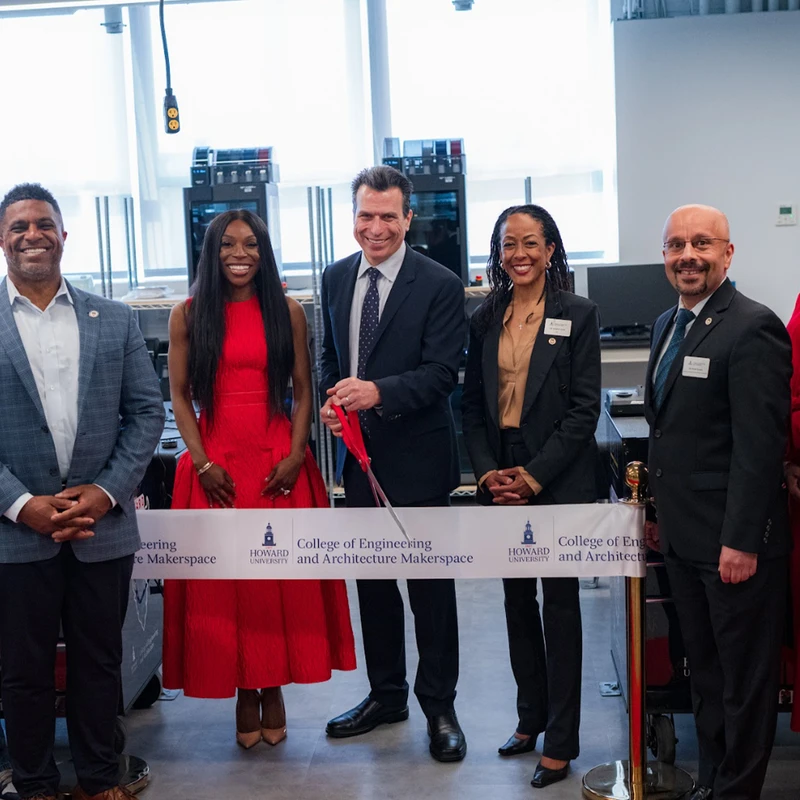
    Get ready for the next generation of AI-savvy engineers! Howard University’s College of Engineering and Architecture is getting a major boost thanks to a generous $1.95 million donation from Autodesk. This funding is all about equipping students with the cutting-edge skills needed for today’s rapidly evolving, AI-powered job market.

    This significant contribution is unrestricted, meaning Howard can allocate it where it’s needed most within its construction engineering and management program. The goal? To cultivate leaders who can manage advanced construction projects from start to finish, blending engineering expertise with design thinking and digital construction know-how.

    A New Hub for Innovation: The CEA Makerspace

    The donation also coincides with the grand opening of Howard’s impressive new 3,400-square-foot College of Engineering and Architecture (CEA) Makerspace. This isn’t just any lab; it’s a state-of-the-art facility designed for collaboration and hands-on learning.

    Building on a previous $5 million investment from Autodesk in 2024, the makerspace boasts a digital fabrication area, an advanced manufacturing zone, a computer and design lab, and a dedicated collaboration space. It’s a place where students from various disciplines – engineering, architecture, computer science, business, and more – can come together.

    Bridging the Skills Gap with AI and Advanced Tech

    Howard University’s interim president, Dr. Wayne A. I. Frederick, highlighted the importance of this partnership. “This investment reflects the strength of our partnership with Autodesk and our shared commitment to preparing students to lead in a technology-driven world,” he stated. The makerspace is key to ensuring students are ready for AI-powered roles.

    This initiative directly addresses a growing concern: a significant portion of U.S. college students feel unprepared for AI-related jobs. Autodesk’s Career Readiness Report found that many students desire more real-world relevant classes and access to industry-grade tools – needs that Howard’s makerspace aims to fulfill.

    Tools for the Future Workforce

    Inside the makerspace, students will get hands-on experience with AI-powered design software, digital fabrication equipment, advanced prototyping tools, industry-standard CAE software, and virtual reality capabilities. They’ll be able to transform concepts into tangible prototypes and work on exciting capstone projects like Formula SAE and AeroDesign.

    Dara Treseder, Autodesk’s chief marketing officer, emphasized the shared vision: “Our partnership with Howard University is rooted in a shared belief: that talent is everywhere, but opportunity isn’t yet.” Autodesk is committed to providing students with the resources they need to succeed in the jobs of tomorrow.

    This collaboration is a powerful example of how industry and academia can work together to foster innovation and create tangible economic opportunities for students. It’s about building the spaces where future leaders can thrive.

    What do you think about Autodesk’s investment in Howard University? How important are makerspaces for preparing students for the future? Let us know in the comments!

  • TSU’s $50M Engineering Hub: A Game-Changer for HBCU STEM

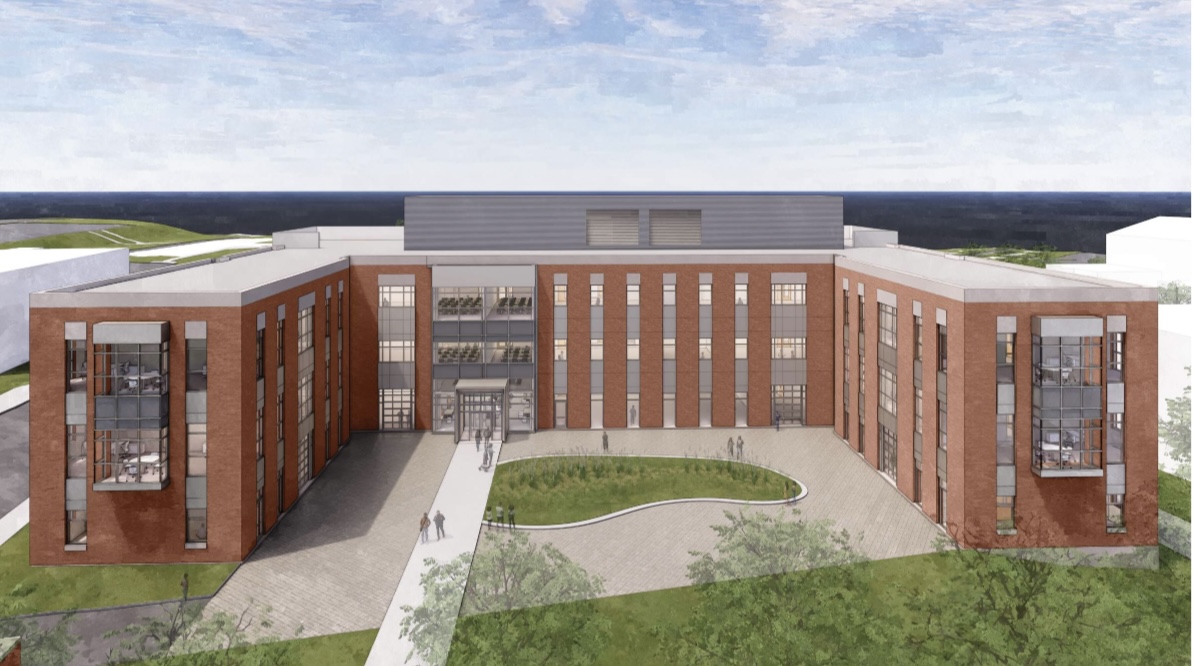
    Get ready for some exciting news from Tennessee State University (TSU)! They’re gearing up to build a brand-new, $50 million engineering hub right on their Nashville campus. This isn’t just any building; it’s a state-of-the-art facility designed to supercharge hands-on learning, boost research capabilities, and forge stronger connections with industry leaders. Imagine a place where innovation thrives and students get the cutting-edge experience they need to succeed!

    What’s Inside This Impressive New Hub?

    This massive project, spanning nearly 70,000 square feet, has already received the green light from the Tennessee State Building Commission. Construction is set to kick off later this year, with the grand opening anticipated for summer 2027. Once completed, it will bring TSU’s Engineering and Applied & Industrial Technology programs together under one roof.

    Think consolidated classrooms, advanced computer labs, and over 30 specialized research and teaching labs. TSU is really pulling out all the stops to create an environment that fosters discovery and practical application. This move is a significant step in enhancing the educational experience for all engineering students.

    Cutting-Edge Labs for Future-Ready Careers

    The plans highlight three flagship spaces that are particularly exciting: a Future Energy Lab, an Additive Manufacturing Lab, and a Drone Flight & Air Traffic Lab. These specialized areas are designed to prepare students for the rapidly evolving job market in fields like advanced energy systems, cutting-edge fabrication techniques, and the growing world of autonomous flight operations.

    The entire complex is being meticulously designed by Melvin Gill & Associates and Bauer Askew Architecture, working hand-in-hand with TSU’s own Planning, Design, and Construction team. The focus from the ground up is on collaboration, fostering innovation, and ensuring sustainability is a core principle.

    A Boost for Students and the City of Nashville

    Nashville is booming, especially in tech, healthcare, and advanced manufacturing, making it one of the South’s fastest-growing metros. This new engineering hub positions TSU perfectly to strengthen its ties with local employers. It means undergraduates, master’s students, and doctoral researchers will have access to the latest tools and technologies, directly translating into skills that meet real-world workforce demands.

    TSU is all about preparing students to be ‘future-ready.’ This means seamlessly blending classroom learning with project-based work, internships, and research that tackles actual challenges. This initiative builds on recent successes for TSU Engineering, including new funding aimed at improving smart mobility and safety research within Nashville, showcasing a commitment to applying academic expertise to city-wide solutions.

    Why This Matters for HBCUs

    • **STEM Capacity at Scale:** Investments like TSU’s serve as a powerful model for Historically Black Colleges and Universities (HBCUs) to expand vital lab spaces, attract more research grants, and grow their graduate programs.
    • **Hands-On Learning Focus:** The emphasis on specialized labs in areas like energy, additive manufacturing, and drone systems equips students with portfolio-ready skills before they even enter the job market.
    • **Industry Pipeline:** With Nashville’s rapid growth, this hub solidifies a crucial talent pathway, connecting TSU graduates with regional and national employers.
    • **Recruitment Advantage:** A modern, dedicated facility like this is a significant asset for attracting prospective students, highlighting the extensive research and tech opportunities available at an HBCU.

    The Timeline and the Big Picture

    University leaders are framing this project as a strategic move to foster interdisciplinary collaboration and ensure graduates are perfectly aligned with industry needs. Following the August 15th approval, construction is slated to begin in 2025, with the goal of opening the doors in summer 2027, assuming standard construction timelines.

    Ultimately, TSU’s $50 million engineering hub is a forward-thinking investment that sends a clear message about the future of STEM education at HBCUs. By providing cutting-edge labs, expanded research opportunities, and deeper industry connections, this project is set to significantly accelerate student success, faculty research, and positive regional impact for years to come.

    What are your thoughts on TSU’s new engineering hub? How do you see it impacting STEM education at HBCUs? Share your insights in the comments below!

  • Alabama A&M Welcomes Record Freshman Class

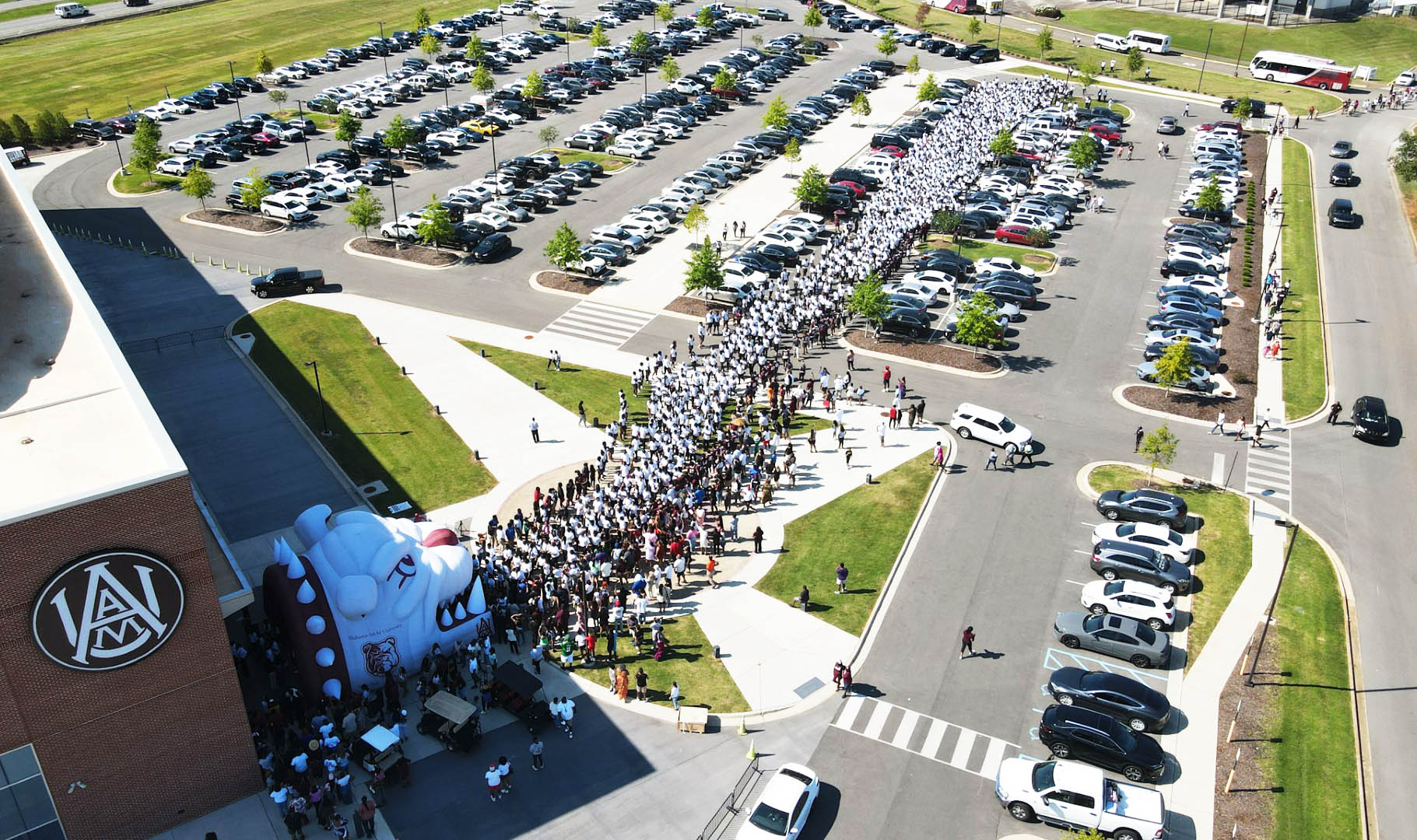
    Big news from Alabama A&M University (AAMU) as they celebrate their 150th year! The university is welcoming an impressive record freshman class, with preliminary registrations showing 2,157 first-time freshmen. This milestone, announced at their annual Torch Lighting Ceremony, not only surpasses last year’s numbers but also highlights a significant trend: 42% of the incoming class are male students. This is a remarkable achievement, especially considering the national challenges with Black male college enrollment.

    Record Numbers and a Wider Reach

    The Class of 2029 is truly diverse, hailing from 40 different states and five countries. Most of these new students are planning to live on campus, embracing a more immersive college experience. This growth reflects Huntsville’s increasing appeal as a tech-focused city and AAMU’s strong position within Alabama’s higher education landscape. The university’s success has even garnered attention from national outlets like Black Enterprise, which specifically highlighted the significance of their male enrollment numbers.

    For years, colleges across the country, and HBCUs in particular, have been working to address a gender gap in undergraduate enrollment. AAMU’s achievement of 42% male representation in its freshman cohort is a clear indicator that their targeted recruitment efforts, community engagement, and investments in campus life are effectively reaching prospective male students and their families. It’s a meaningful step forward amidst broader national declines.

    What’s Driving Interest at AAMU?

    AAMU’s enrollment surge is built on recent positive trends and a campus culture that truly emphasizes community and belonging. The Torch Lighting Ceremony, a cherished tradition that officially welcomes new students into the AAMU family, perfectly set the stage for this record-breaking class. As the university continues to enhance its residential life and academic support services, more students are choosing to start their college journey at ‘The Hill’ in Huntsville.

    The university has also been consistent in communicating its progress on overall enrollment and student retention in recent years. This strategic communication has helped position AAMU as a highly competitive and attractive destination for students, not just within Alabama but across the entire region.

    Why This Matters for HBCUs

    • **STEM and Workforce Pathways:** With Huntsville’s thriving innovation economy, AAMU is perfectly positioned to guide students into internships, research opportunities, and early career roles, strengthening the HBCU pipeline into high-demand fields.
    • **A Recruitment Blueprint:** The increase in male enrollment provides a valuable case study for other HBCUs looking to bridge gender gaps through focused outreach, engaging campus life, and robust student success initiatives.
    • **Scaling Belonging:** Traditions like the Torch Lighting Ceremony and a strong residential experience are crucial for student persistence, which directly impacts graduation rates and long-term outcomes for first-generation and underrepresented students.

    Alabama A&M’s record freshman class, coupled with the significant increase in male enrollment, is a testament to a strategic effort to grow, retain, and graduate more students as the university celebrates its 150th anniversary. This is an incredibly encouraging sign for HBCUs nationwide and a well-deserved win for the entire Bulldog community.

    What do you think about Alabama A&M’s record freshman class and their success in male enrollment? Share your thoughts in the comments below!