Category: Government Shutdown Impact

  • TSA Officer Exodus: Shutdown Sparks Travel Chaos Fears

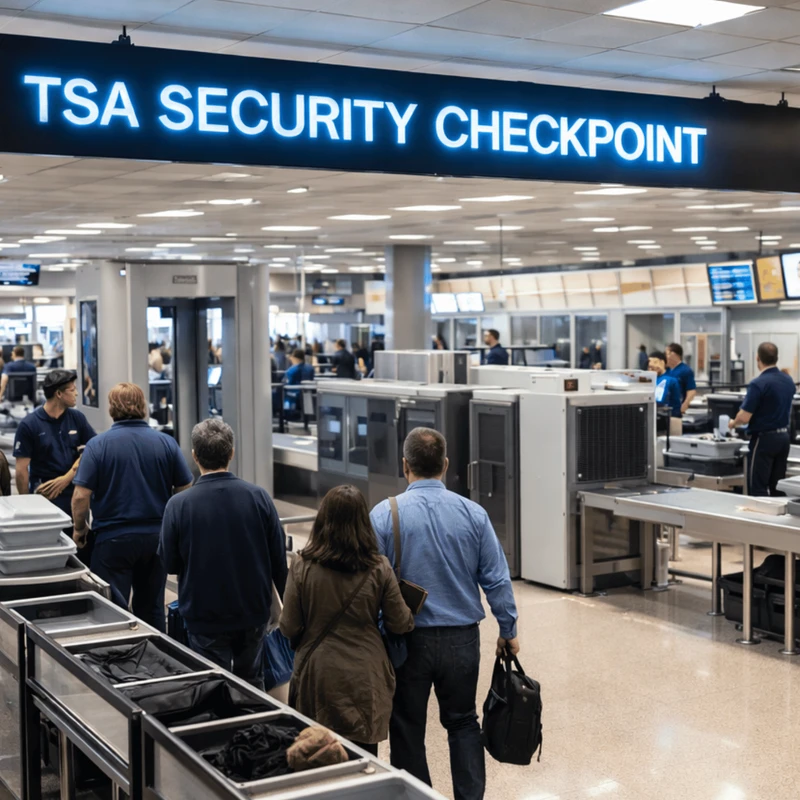
    Planning a trip this summer? You might want to brace yourself for some potential travel headaches. The ongoing government shutdown has led to a significant exodus of Transportation Security Administration (TSA) officers, with over 1,000 reportedly quitting their jobs. This isn’t just a minor staffing issue; it’s creating critical gaps that could spell disaster for peak travel seasons and major events.

    The Scale of the Problem

    The Department of Homeland Security (DHS) confirmed the concerning numbers, highlighting that each new TSA officer requires a substantial 4-6 months of training. This means the losses aren’t easily or quickly replaced, significantly impacting the agency’s ability to handle passenger demand. The shutdown, which began on February 14, has already become the longest funding lapse in U.S. history affecting a single department.

    Think about it: tens of thousands of TSA employees worked for over a month without pay. This created immense financial strain, forcing many to make impossible choices. Back in late March, the situation was already dire, with over 450 officers having left and thousands more calling out because they couldn’t afford basic necessities like gas, childcare, or rent.

    Financial Strain and Uncertain Futures

    While TSA employees did start receiving pay again on March 30 thanks to emergency funding, the relief might be short-lived. DHS Secretary Markwayne Mullin recently stated that payroll expenses are rapidly depleting the available funds, exceeding $1.6 billion every two weeks. He expressed concern that there’s simply no more money left, and the president can’t issue another executive order to cover it.

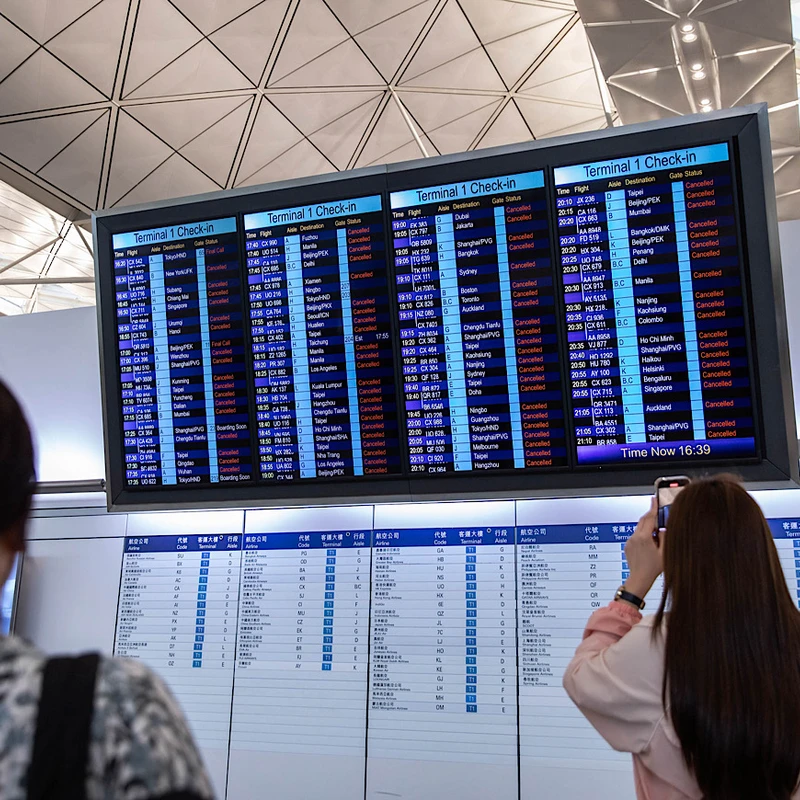
    This financial uncertainty, coupled with the prolonged period of working without pay, has clearly taken its toll. The ripple effect is already being felt, with some airports previously reporting security wait times stretching to three hours. As staffing numbers continue to dwindle, travelers could be facing even longer lines and significant delays in the coming months.

    What This Means for Your Summer Travel

    With the summer travel season on the horizon, and the 2026 FIFA World Cup also on the calendar, these staffing shortages couldn’t come at a worse time. The TSA’s reduced capacity means longer queues, increased stress, and a higher chance of missing flights or connections. It’s a stark reminder of how essential these roles are and the impact that government funding lapses can have on everyday life.

    Are you planning any travel soon? How concerned are you about potential airport delays due to TSA staffing? Share your thoughts and experiences in the comments below!

  • Democrats Divided Over Ending Government Shutdown

    Just days after a significant Democratic victory, a group of eight senators – seven Democrats and one Independent – have voted with Republicans to advance legislation ending the government shutdown. This move has drawn sharp criticism from within their own party, who see it as caving without securing key concessions, particularly on healthcare subsidies.

    A Compromise That Divides

    The compromise measure passed by a 60-to-40 vote, with a pledge from Senate Majority Leader John Thune (R-S.D.) to allow a vote in December on extending expiring healthcare subsidies. However, many Democrats argue this promise is insufficient, as it’s unlikely to pass in a Republican-controlled Congress. The expiration of these subsidies could significantly raise insurance premiums for millions.

    Critics point out that Republicans spent weeks spreading misinformation, blaming Democrats for the shutdown and falsely claiming they were trying to provide free healthcare to undocumented immigrants. The Trump administration reportedly used federal websites and even pushed for videos in airports to blame Democrats, despite Republicans controlling Congress and the executive branch.

    Disappointment from Party Leadership

    Party leaders expressed dismay at the vote. Rep. Becca Balint (D-Vt.) called the promise of a future vote “complete BS,” emphasizing the urgent need for healthcare. Sen. Bernie Sanders (D-Vt.) voted against the resolution, highlighting that it would increase premiums, remove people from Medicaid, and lead to unnecessary deaths, all while providing tax breaks for billionaires.

    House Minority Leader Hakeem Jeffries (D-N.Y.) stated that the bill failed to address the “Republican healthcare crisis.” Rep. Greg Landsman (D-Ohio) also indicated he would vote against it, expecting others fighting for constituents to do the same. The swift reversal of these strong stances has led to accusations of broken promises.

    The Eight Who Voted Yes

    The senators who voted in favor of the compromise include Independent Sen. August King (I-Maine), who cited the harm caused by the shutdown. Democrats Sen. Tim Kaine (D-Va.), Sen. Dick Durbin (D-Ill.), Sen. John Fetterman (D-Pa.), Sen. Maggie Hassan (D-N.H.), Sen. Jeanne Shaheen (D-N.H.), and Sen. Catherine Cortez Masto (D-Nev.) also supported the measure, often citing the promise of a future vote on healthcare or the immediate reversal of layoffs and back pay for furloughed workers.

    Sen. Durbin, who is retiring, noted the bill’s inclusion of reversing layoffs as a key difference. Sen. Fetterman, who had previously voted with Republicans multiple times, apologized to military members, food stamp recipients, government workers, and Capitol Police officers who had gone unpaid. Sens. Hassan and Shaheen stressed the need for “serious, bipartisan negotiations” moving forward, while Sen. Cortez Masto acknowledged the need to extend healthcare subsidies but not at the expense of shutdown impacts.

    Trump Targets Air Traffic Controllers

    Adding to the chaos, President Trump took to Truth Social to threaten federal air traffic controllers who called out of work due to the shutdown, many of whom hadn’t been paid in over 40 days. He demanded they “get back to work, NOW!!!” and warned of “substantial” docking of pay for anyone who didn’t comply.

    Trump praised those who continued working as “GREAT PATRIOTS” and promised them a $10,000 bonus, while threatening those who quit with “NO payment or severance of any kind!” and quick replacement. The National Air Traffic Controllers Association pushed back, stating that the vast majority are working tirelessly under immense stress without pay, calling them “unsung heroes.”

    What do you think about the senators’ decision to vote with Republicans? Was it a necessary compromise or a betrayal of Democratic principles? Share your thoughts in the comments below!

  • 50 Cent Warns of Airport Chaos Amid Shutdown

    If you’re planning to fly anytime soon, you might want to listen up! Even for a superstar like 50 Cent, navigating airports has become a serious challenge, and he’s warning his followers to be prepared for major disruptions.

    A “F*cked Up” Airport Experience

    The ongoing government shutdown, now in its second month, is causing widespread chaos at airports across the United States. Despite traveling via private jet, 50 Cent himself encountered significant drama while trying to depart from an airport grappling with cancellations and delays. He took to social media to share his experience.

    In a video clip, 50 Cent expressed his disbelief, stating, “They just said that they not even letting the jets go.” He later posted on X (formerly Twitter), “Man the airport is f*cked up. Forget about traveling right now!” He even humorously suggested driving might be a better option, adding, “Unless you driving all roads lead to Shreveport.”

    Why Are Flights Being Canceled?

    The root of the problem? The government shutdown has directly impacted air traffic control. A shortage of air traffic controllers, who are now in their second month without pay, has led to over 7,200 flight delays and 2,200 cancellations as of Sunday, according to NBC News. It’s a serious situation affecting thousands of travelers daily.

    To try and manage the crisis, the Federal Aviation Administration (FAA) has implemented a 10% reduction in flights at several high-traffic airports. Transportation Secretary Sean Duffy acknowledged the severity, warning of “more significant disruptions in the airspace,” especially as the busy Thanksgiving travel season approaches.

    What to Expect When Traveling

    Secretary Duffy cautioned that while safety remains the top priority, travelers should brace themselves for uncertainty. “But, will you fly on time? Will your flight actually go? That is yet to be seen, but there will be more disruption,” he stated. It seems patience and flexibility are key for anyone needing to travel by air right now.

    Man the airport is f*cked up. Forget about traveling right now! — 50 Cent

    So, if you have upcoming travel plans, consider 50 Cent’s advice. It might be wise to double-check your flight status constantly, pack extra patience, and perhaps even have a backup plan in case things go awry. This government shutdown is definitely making waves far beyond Washington D.C.

    Have you experienced travel disruptions due to the government shutdown? Share your stories and tips in the comments below!

  • Trump’s $2,000 Dividend Plan: What’s the Catch?

    President Donald Trump has unveiled an ambitious plan: to give Americans at least $2,000 in dividends, funded by revenue generated from his global tariff policies. While the idea of a direct cash payout might sound appealing, experts are raising significant concerns about the economic feasibility and potential consequences of such a move.

    The Tariff Dividend Proposal

    Trump has defended his tariffs on goods from countries like China, Canada, Mexico, and India, arguing they pressure companies to manufacture in the U.S. and curb the flow of fentanyl. He claims the tariff revenue collected so far exceeds $150 billion and falsely states the U.S. has “No Inflation.” The proposal aims to distribute at least $2,000 per person (excluding high-income earners) from this revenue, with any remaining funds earmarked for paying down the national debt.

    On Truth Social, Trump declared, “We are now the Richest, Most Respected Country In the World” and touted “Record Investment in the USA, plants and factories going up all over the place.” He reiterated that leftover money from the dividend payments would be used to “SUBSTANTIALLY PAY DOWN NATIONAL DEBT.”

    Complications and Criticisms

    However, a new analysis from the Committee for a Responsible Federal Budget suggests the plan faces major hurdles. They estimate that $2,000 annual dividends could cost $600 billion over ten years, potentially increasing deficits by $6 trillion – nearly double the projected revenue from Trump’s tariffs over the same period.

    Furthermore, the Center for American Progress highlights that Trump’s tariffs are already harming businesses and workers, particularly Black communities. Their report states that “erratic tariff policies will bring rising costs and almost nonexistent avenues for exemption that threaten the survival of Black businesses and the trajectory of communities they anchor.”

    Expert Opinions on the Impact

    Alphonso David, president and CEO of the Global Economic Forum, expressed skepticism about the proposal’s ability to truly benefit communities. “You cannot buy back jobs lost, contracts stripped away from diverse businesses, or futures taken from working families with a $2,000 check,” David told theGrio. He cautioned, “Short-term cash should not distract us from the long-term consequences of economic divestment that undermines communities most in need.”

    Adding to the uncertainty, the legality of Trump’s tariffs is currently under review by the U.S. Supreme Court. If the court rules against the administration, the government could be forced to repay billions, creating what trade experts describe as a procedural “nightmare.”

    • Potential for massive deficit increase ($6 trillion over 10 years).
    • Tariffs may harm businesses, especially Black-owned enterprises.
    • Legality of tariffs is being challenged in the Supreme Court.
    • Short-term cash payout may not offset long-term economic damage.

    What are your thoughts on President Trump’s dividend proposal? Do you think it’s a viable economic strategy? Share your views in the comments below!

  • Govt Shutdown Grounds 1,000+ Flights Daily

    Are your travel plans up in the air? For the second day straight, the ongoing government shutdown has caused a massive ripple effect, leading to over 1,000 U.S. flight cancellations each day. It’s a chaotic situation for travelers trying to navigate the skies.

    This isn’t just a random glitch; it’s a direct consequence of the shutdown, now in its 38th day. The strain is particularly heavy on air traffic controllers, who are working tirelessly without pay, leading to critical staffing shortages.

    Air Traffic Control Under Pressure

    On November 5th, Transportation Secretary Sean Duffy announced a significant move: a 10% cut in air traffic at 40 high-volume airports. This drastic measure aims to alleviate the immense pressure on overworked and unpaid air traffic controllers.

    Nick Daniels, president of the National Air Traffic Controllers Association, spoke candidly about the situation. He highlighted that the U.S. is already short 3,800 certified controllers, a deficit that’s worsening as controllers resign due to the prolonged shutdown. This is a more severe situation than the 2019 shutdown.

    The Impact on Travelers and Airports

    The 10% air traffic reduction began on November 7th, and sources indicate airlines are expected to fully implement these cuts by next week. This impacts not only passenger flights but also heavy cargo traffic, affecting major cities and airline hubs.

    If you’re planning to fly, it’s crucial to check with your airline about potential cancellations or delays. Refunds are being processed for affected travelers. The FAA is limiting capacity at 40 major airports, with over 1,000 flights already cancelled on November 8th alone, and thousands more delayed.

    International Flights Remain Unaffected

    While domestic travel is in disarray, international flights are currently exempt from these cuts. Secretary Duffy explained that international agreements must be honored to avoid reciprocal actions from other countries that could severely impact U.S. travelers abroad.

    The hope is that the government shutdown will end soon, allowing air travel to return to normal. However, if air traffic controller call-outs continue to rise, further reductions, potentially exceeding 10%, could be on the horizon for domestic flights.

    • Over 1,000 U.S. flights cancelled daily for two consecutive days.
    • Government shutdown now on day 38.
    • 40 high-volume airports facing a 10% air traffic reduction.
    • Air traffic controllers working long hours without pay, leading to resignations.
    • International flights are not impacted due to existing agreements.

    Have you been affected by these flight cancellations? Share your travel experiences and tips in the comments below!

  • Govt Shutdown Threatens Food & Preschool Aid

    Imagine this: it’s Saturday, and the money you rely on to buy groceries or send your little one to preschool suddenly disappears. That’s the stark reality facing millions of Americans if Congress can’t strike a deal to end the U.S. government shutdown. Federal funds for crucial programs are set to run dry, creating a significant gap in the nation’s social safety net.

    SNAP Benefits on the Brink

    The Supplemental Nutrition Assistance Program (SNAP), which helps about one in eight Americans put food on the table, is particularly vulnerable. Families who depend on these benefits, often loaded onto debit cards for grocery purchases, could find themselves without funds starting this Saturday. The average monthly benefit is $187 per person, and most recipients live below the poverty level.

    There’s even uncertainty about whether benefits already on cards will be usable after November 1st. While some states like Arkansas are advising beneficiaries to use existing funds on shelf-stable items, others like Missouri and Pennsylvania expect those funds to remain accessible. The Trump administration has reportedly rejected using a $5 billion contingency fund for disaster relief to cover SNAP, stating it’s reserved for emergencies.

    States Step Up, But Challenges Remain

    In response to the potential crisis, some states are pledging to backfill food aid. Louisiana’s House has unanimously supported using $150 million from its budget to prevent interruptions for nearly 800,000 residents, pending Senate approval. New York is fast-tracking $30 million in emergency funds for food banks, and California’s Governor has deployed the National Guard to assist food banks, making $80 million available.

    However, not all states can easily bridge the gap. Officials in some areas have noted that state funds can’t be used to load benefits onto recipient cards, highlighting the logistical hurdles. The USDA has also advised that states won’t be reimbursed for covering these federal benefits out-of-pocket.

    Early Childhood Education at Risk

    It’s not just food security on the line. More than 130 Head Start preschool programs could miss their annual federal grants on November 1st if the shutdown persists. These programs provide essential education and childcare for the nation’s most vulnerable preschoolers. Centers are scrambling to figure out how long they can remain operational, as nearly all their funding comes from federal taxpayers.

    Over 65,000 children could be affected, potentially forcing parents to miss work or school. Some Head Start programs have already missed expected disbursements and are relying on dwindling reserves or local support to stay open.

    Support for Mothers and Infants Fades

    Another vital program, the Special Supplemental Nutrition Program for Women, Infants, and Children (WIC), is also facing a funding cliff. WIC helps over 6 million low-income mothers, young children, and expectant parents purchase nutritious foods like fruits, vegetables, and infant formula. While a temporary infusion of $300 million from unspent tariff proceeds kept the program afloat through October, states are now warning that WIC funds could run out as early as November 8th.

    The political standoff between Democrats and Republicans, with disagreements over the Affordable Care Act subsidies, is directly impacting these essential services. As the shutdown continues, the most vulnerable populations bear the brunt of the consequences.

    What are your thoughts on the impact of the government shutdown on these vital programs? Share your concerns and ideas in the comments below!