Category: Global and Cultural Exploration

  • UK Bans Smoking for Future Generations

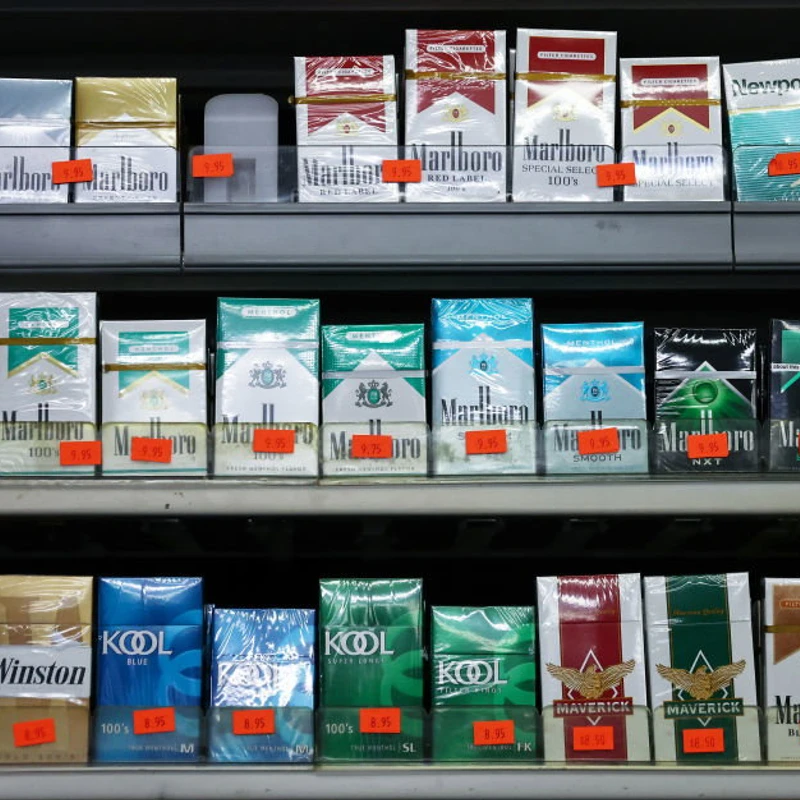
    In a historic move for public health, the United Kingdom has passed the Tobacco and Vapes Bill, enacting a groundbreaking ban on cigarette sales for future generations. This legislation aims to create the nation’s first truly “smoke-free generation.”

    A Rolling Age Limit for Tobacco

    The new law, which received final approval in Parliament this week, introduces a unique, rolling age limit. Essentially, the legal age for purchasing tobacco will increase by one year, every year. This means that anyone born on or after January 1, 2009, will never legally be able to buy cigarettes in their lifetime.

    Health Secretary Wes Streeting hailed the bill’s passage as a “transformative moment for public health,” emphasizing that “prevention is better than cure.” The government anticipates this reform will save thousands of lives annually and significantly reduce the long-term financial burden on the National Health Service (NHS), which currently spends billions treating smoking-related illnesses.

    Stricter Regulations on Vaping

    Beyond the generational tobacco ban, the bill also introduces the most stringent regulations on vaping in British history. Ministers now have extensive powers to control the flavors, packaging, and marketing of e-cigarettes, ensuring they are not appealing to young people. The law also prohibits vaping in sensitive public areas like playgrounds, outside schools, and near hospitals, and makes it illegal to vape in cars carrying children.

    The legal responsibility for enforcing the ban falls on retailers. Businesses found selling tobacco products to individuals under the restricted age groups will face substantial fines and could risk losing their licenses. The government plans to collaborate with retailers to ensure a smooth implementation, with the new system set to fully take effect on January 1, 2027.

    Support and Criticism

    While the bill garnered broad support across political parties, it did face criticism. Some tobacco industry advocates and civil liberties groups argued that the policy creates a “permanent class of second-class citizens” by denying certain rights to younger generations. However, public health experts, including those from the charity Action on Smoking and Health (ASH), celebrated the move as a major victory in the long-standing campaign to combat preventable deaths in the UK.

    The bill is expected to receive royal assent from King Charles III soon, officially making it law. The UK now joins a select group of nations implementing similar generational bans, signaling a significant step forward in the global fight against nicotine addiction.

    What are your thoughts on the UK’s new ‘smoke-free generation’ law? Do you think similar measures should be considered in other countries? Share your opinions in the comments below!

  • Africa’s Top Wine Destinations: A Traveler’s Guide

    When you think of world-class wine destinations, Europe and North America often come to mind. But what if we told you Africa is rapidly becoming a hotspot for incredible wine experiences? Beyond South Africa’s established global presence, countries like Ethiopia and Senegal are cultivating vibrant tasting scenes, offering unique flavors that are truly worth exploring.

    South Africa: A Global Wine Powerhouse

    It’s no surprise that South Africa tops the list. As one of the world’s top 10 wine producers, the country is renowned for its distinctive varietals like pinotage, chenin blanc, and cabernet sauvignon. For the ultimate wine tourism experience, make Cape Town your home base and explore the picturesque Cape Winelands.

    Must-visit regions within the Western Cape province include Stellenbosch, Franschhoek, and Paarl. Don’t miss the chance to hop on the famous Franschhoek Wine Tram for a delightful, and perhaps tipsy, tour through the vineyards. It’s an iconic way to sample the region’s best.

    Senegal: Exploring Dakar’s Wine Culture

    Senegal’s capital, Dakar, is emerging as a fantastic hub for wine enthusiasts. The city boasts several highly-rated wine bars, cellars, and shops, including gems like Africa Gourmet, Ella’s Wine Bar, and LA CAVE. Be sure to seek out a bottle of Le Clos des Baobabs, a local wine produced at an estate just an hour outside the city.

    Beyond traditional wines, visitors in Senegal, especially in regions like Casamance, might also have the opportunity to savor fresh palm wine tapped locally. This offers a truly authentic taste of West African tradition.

    Ethiopia: The Allure of Tej (Honey Wine)

    For those venturing to Ethiopia, the traditional Tej, or Ethiopian honey wine, is an absolute must-try. This unique mead’s alcohol content can vary significantly, ranging anywhere from 7% to a potent 40%. Its flavor profile is complex, offering a delightful balance of fruity sweetness, herbal bitterness, and bright citrus notes.

    In the capital, Addis Ababa, you can find culinary experiences specifically highlighting honey wine. Tobiya Tej is a local favorite recommended by many for enjoying this distinctive beverage. For a more retail-focused experience, check out The Wine Tribes, which claims to be Ethiopia’s first wine-dedicated retailer. If you’re willing to travel a bit, the privately owned Castel Winery vineyard near Ziway offers tours and tastings.

    • **South Africa:** Known for Pinotage, Chenin Blanc, Cabernet Sauvignon. Explore Stellenbosch, Franschhoek, Paarl.
    • **Senegal:** Discover Dakar’s wine bars and try Le Clos des Baobabs. Look for local palm wine.
    • **Ethiopia:** Experience traditional Tej (honey wine) in Addis Ababa and visit Castel Winery in Ziway.

    Are you ready to explore Africa’s diverse and exciting wine scene? Which of these destinations are you adding to your travel list? Share your thoughts in the comments below!