Category: Financial Advice

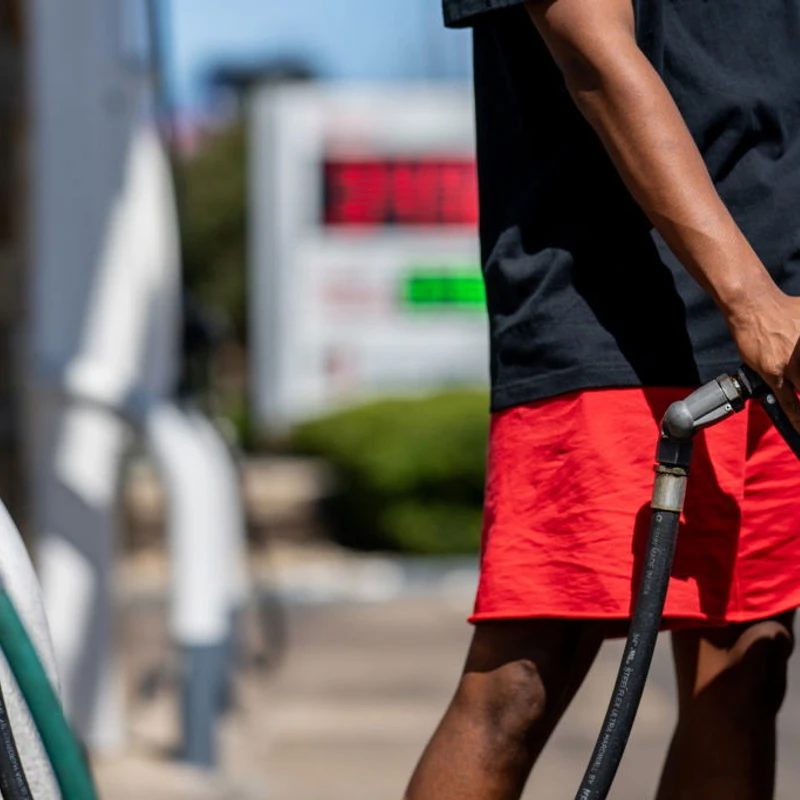
  • 8 Ways to Save on Gas as Prices Soar

    Are you feeling the pinch at the pump? Gas prices are climbing, with the national average hovering around $3.98 a gallon and potentially hitting $4 soon – a level not seen since 2022. This surge, largely attributed to global conflicts impacting oil prices, adds another layer of financial stress, especially for Black Americans already navigating inflation. But don’t despair! BLACK ENTERPRISE is here with practical tips to help you cut down on fuel costs.

    Smart Strategies for Saving at the Pump

    Managing your money is tough enough without unpredictable price hikes. Fortunately, there are several actions you can take to offset the impact of rising gasoline costs. Let’s explore how you can keep more money in your pocket.

    1. Combine Your Errands

    One of the simplest ways to reduce driving time and fuel consumption is to plan your trips efficiently. Try to group all your necessary tasks into a single outing. Instead of multiple short trips, make one longer, more productive journey.

    2. Utilize Gas Apps

    Technology can be your ally! Apps like AAA, Gas Guru, and GasBuddy can help you locate the cheapest gas prices in your area. A few minutes of searching can lead to significant savings over time.

    3. Pay with Cash

    Some observers suggest that paying for gas with cash instead of a credit card can lead to savings. While some stations might charge a fee for credit card use, paying cash often bypasses these extra costs. It’s a small change that can add up.

    4. Skip the Premium Gas

    Unless your car’s manufacturer specifically recommends it, higher-octane premium gasoline often isn’t necessary. Research indicates that most vehicles don’t benefit from it, so you can likely save money by sticking to the regular grade.

    5. Explore Fuel Rewards Programs

    Many grocery stores and national gas station chains offer fuel discounts to their loyal customers. Look for programs in your area and be sure to link your purchases to the same account to maximize your savings.

    6. Drive More Cautiously

    Aggressive driving habits can seriously impact your gas mileage. Data shows that rapid acceleration and sudden braking can reduce fuel efficiency by 15% to 40%. Smooth, steady driving not only saves gas but also reduces wear and tear on your vehicle.

    7. Reduce Your Driving

    The most effective way to save on gas is simply to drive less. Consider carpooling, walking, biking, or using public transportation whenever possible. If your job allows, working from home more often can also make a significant difference.

    8. Maintain Your Vehicle

    Proper vehicle maintenance is crucial for both fuel economy and engine performance. Simple tasks like ensuring your tires are properly inflated, replacing air filters regularly, and using the recommended oil grades can enhance your car’s fuel efficiency and trim gas usage.

    With gas prices continuing to climb, these strategies can make a real difference in your budget. Which of these tips will you be implementing first? Share your thoughts and any other money-saving gas tips in the comments below!

  • Holiday Spending: 3 Smart Money Moves

    The holidays are fast approaching, and with them comes the familiar mix of festive cheer and financial stress. For many, especially Black families who often navigate a significant wealth gap, the pressure to create magical moments while managing mounting expenses can feel overwhelming. But don’t let the holiday season lead to a January debt hangover! Financial experts offer practical strategies to help you celebrate without breaking the bank.

    1. Start Planning Now—And Get Specific!

    The key to stress-free holiday spending? Starting early! Courtney Alev, a consumer financial advocate at Credit Karma, advises setting a realistic budget by looking at your income, savings, and existing debt. “Decide what you can comfortably spend,” she recommends.

    Planning your shopping ahead of time is crucial. Data shows that many Americans start shopping early to spread out costs and avoid last-minute impulse buys. Breaking down your gift list by week or by paycheck can make the total amount feel much more manageable. For example, if you need $600, setting aside $75 per bi-weekly paycheck is far less daunting than facing a massive credit card bill.

    2. Have Real Conversations—And Mean It

    Money talks can be tough, especially during a season focused on generosity. However, open communication with friends and family about realistic spending is essential. “Chances are, they’re feeling the crunch too,” Alev points out. Consider creative, lower-cost options like homemade gifts, shared experiences, or charitable donations.

    Think about what truly creates holiday magic. Often, it’s the time spent together, not the price tag of the gifts. Organizing a family game night, a cookie swap, or a movie marathon can create lasting memories. For gifts, consider pooling resources with family members for a larger item for children or setting a spending limit for everyone in a Secret Santa exchange.

    3. Keep Your Eyes on the Prize—Because January Is Coming

    It’s vital to keep your long-term financial goals in mind. A thoughtful, affordable holiday is far better than starting the new year stressed about debt. High interest rates can mean paying for this year’s holidays well into the summer, impacting your ability to handle emergencies or save for major goals like buying a home.

    Before making a purchase, ask yourself: Will this still matter in a few months? Will I remember the item itself, or just the stress of paying it off? Remember, you’re also modeling financial behavior for the next generation. Teaching children about budgeting, priorities, and finding joy in non-material experiences provides them with invaluable life skills.

    What are your go-to strategies for managing holiday spending? Share your best tips in the comments below!

  • Gold Prices Soar: What to Do With Your Jewelry

    Feeling the economic pinch? You might want to take a peek at that jewelry box! Gold prices have been on a serious upward trajectory, doubling their record high from less than two years ago and now hovering over $4,200 an ounce. In times of global economic uncertainty, gold often shines as a stable investment, and this surge is creating exciting possibilities for those looking to cash in or re-evaluate their valuable pieces.

    Capitalizing on the Gold Rush

    This isn’t just a minor fluctuation; gold prices are skyrocketing, partly due to increased demand driven by economic instability. Experts suggest that now is an opportune moment to either sell unwanted or damaged jewelry for a significant return or to get higher appraisals on pieces that have been gathering dust. For many, this could be a welcome financial cushion to cover urgent expenses or simply a chance to capitalize on forgotten treasures.

    As Tim Schmidt, founder of Gold IRA Custodians, puts it, ‘For some, it’s a way to cover urgent expenses; for others, it’s an opportunity to capitalize on long-forgotten pieces that have suddenly become far more valuable than they were just months ago.’ This trend mirrors historical patterns where gold’s value spikes during periods of economic fear and market volatility, like the current climate influenced by fluctuating tariffs.

    Smart Selling Strategies

    Before you rush to the nearest pawn shop, a little preparation goes a long way. Personal finance expert Kathy Kristof advises, ‘If you can find a moment when people are the most fearful, that’s an ideal time to sell your gold. Strike while the iron is hot.’ However, maximizing your return requires understanding the market and your specific pieces.

    It’s crucial to research the current spot price of gold and understand the purity and weight of your jewelry. Getting an independent appraisal can give you a solid baseline value, empowering you to negotiate better deals. If you have damaged items, single earrings, or pieces you simply won’t wear, taking them to jewelers or cash-for-gold specialists is a good option. Remember to get multiple offers before making a decision!

    Considering Taxes and Heirlooms

    Don’t forget about the tax implications! The IRS might classify gold sales as ‘collectibles,’ potentially subjecting them to federal long-term capital gains taxes of up to 28 percent. Understanding how this could impact your net profit is essential for re-evaluating your selling strategy. For those with family heirlooms or antique jewelry, consider the intrinsic value. Schmidt wisely notes, ‘Items with historical or artistic value… may be worth more in their original form than as melted metal.’ Sometimes, keeping that precious heirloom intact is more valuable than melting it down.

    Are you considering selling your gold jewelry with prices this high? What factors are most important to you when deciding whether to sell or keep valuable pieces? Share your thoughts in the comments below!