Category: Entertainment and Culture Insights

  • Viola Davis: Being Black on TV ‘Put Me on the Map’

    Viola Davis, an icon in Hollywood, is sharing how her commitment to being unapologetically Black was the key to her career breakthrough. The Oscar-winning actress recently reflected on her transformative role as Annalise Keating in the hit ABC drama “How to Get Away with Murder,” explaining how embracing her true self propelled her to stardom.

    Annalise Keating: A Bold Choice

    Speaking at The Television Academy Hall of Fame ceremony in Los Angeles on August 16, Davis revealed that while she had done plenty of television work, “How to Get Away with Murder” was the show that truly “put me on the map.” She credits this success to the bold choices she made for the character.

    Instead of conforming to traditional Hollywood expectations for a leading lady, Davis embraced her identity. “I did not follow the sort of script of what you’re supposed to do being a leading lady on television,” she explained. This meant rejecting the pressure to fit a certain mold.

    Embracing Authenticity: No Wigs, No Makeup, No Apologies

    Davis made conscious decisions to portray Annalise authentically. “I took my wig off. I took my makeup off. I stayed the size I am. I stayed as Black as I could be. And my age… Everything about me was unapologetic,” the 60-year-old star shared. This commitment to authenticity paid off immensely.

    Her gamble was a resounding success. In 2015, Viola Davis made history by becoming the first Black woman to win an Emmy for Outstanding Lead Actress in a Drama Series. During her acceptance speech, she powerfully highlighted the lack of opportunities for women of color in the industry, stating, “You cannot win an Emmy for roles that are simply not there.”

    Championing Roles for Black Women

    Davis has consistently used her platform to advocate for more nuanced roles for Black women, especially those over 50. She previously described the scarcity of such roles as a “vast desert.”

    Despite these challenges, Davis remains optimistic, pointing to a new wave of Black female talent who are redefining the industry. She noted, “Women are no longer begging for a seat at the table; they’re creating their own.” She proudly named actresses like Taraji P. Henson, Octavia Spencer, Kerry Washington, Issa Rae, Michaela Coel, Halle Berry, Keke Palmer, and Marsai Martin as examples of this empowering movement.

    What are your thoughts on Viola Davis’s impact on television and her message of authenticity? Share your views in the comments below!

  • Netflix’s ‘Monster: Ed Gein Story’ Explores True Crime Horror

    Get ready for a chilling dive into one of America’s most notorious true crime cases. Netflix is set to release “Monster: The Ed Gein Story,” the third installment in Ryan Murphy and Ian Brennan’s acclaimed anthology series. This season unearths the gruesome tale of Ed Gein, the Wisconsin handyman whose horrific crimes in the 1950s became the blueprint for modern horror villains.

    The Man Who Became the Monster

    Ed Gein wasn’t just a murderer; he was a grave robber with a deeply disturbing obsession with his mother. His home became a macabre museum filled with skin suits, human body parts, and unspeakable horrors. Gein’s twisted acts redefined the concept of a “monster” and directly inspired iconic characters like Norman Bates from “Psycho,” Leatherface from “The Texas Chain Saw Massacre,” and Buffalo Bill from “The Silence of the Lambs.”

    Murphy and Brennan’s series promises to explore not only the man himself but also the myth he created and the enduring terror he continues to represent in pop culture.

    A Chilling Cast and Premiere Date

    Leading the cast is Charlie Hunnam, who delivers a transformative performance as Ed Gein. He is joined by a stellar ensemble, including Suzanna Son as Adeline Watkins, Tom Hollander, Laurie Metcalf (portraying Augusta Gein), Vicky Krieps, Olivia Williams, and Joey Pollari, who steps into the shoes of a young Anthony Perkins. The series masterfully blurs the lines between real-life horror and the fictional terror it inspired.

    Mark your calendars! “Monster: The Ed Gein Story” premieres on Netflix on October 3, perfectly timed for the spooky season. This series is poised to be the next binge-worthy true crime hit that everyone will be discussing.

    From Tabloid Shock to Cultural Obsession

    What makes Ed Gein’s story particularly compelling is the cinematic legacy he left behind. His case transcended local shock value to become a foundational element for generations of filmmakers and horror enthusiasts. Murphy and Brennan’s exploration delves into societal questions: How do we, as a society, contribute to the creation of monsters like Gein? And why does his story continue to fascinate us?

    Will you be watching “Monster: The Ed Gein Story” on October 3? Let us know in the comments if you’ll be streaming this with the lights on!

  • Where Was HBO’s ‘Mountainhead’ Filmed?

    HBO’s latest original film, “Mountainhead,” directed by Jesse Armstrong of “Succession” fame, immerses viewers in the world of tech billionaires seeking seclusion amidst an AI-driven crisis. The film’s authentic ambiance, set in a lavish and remote mansion, is crucial to its satirical portrayal of extreme privilege. For those wondering where this opulent setting was brought to life, the answer is a real, breathtaking estate in Park City, Utah.

    A Real-Life Mansion for a Fictional World

    The sprawling 21,000-square-foot mansion featured in “Mountainhead” is indeed a real property located in the exclusive Deer Crest enclave of Deer Valley, Utah. This estate, bordering on the fantastical, boasts an array of high-end amenities, including a private ski gondola, a bowling alley, a rock-climbing wall, and an NBA-sized basketball court, all contributing to the film’s depiction of extreme luxury.

    Production designer Stephen Carter and the creative team specifically sought out this mansion for its iconic architecture and unsettling beauty, aiming for a feel similar to the remote grandeur of “The Shining’s” Overlook Hotel. The estate’s furnishings and curated artwork were carefully chosen to reinforce the satire of immense wealth and detachment from the outside world. While the mansion itself is real, the cast did not stay on-site during filming, and unfortunately for fans, the private, gated community location means it’s not open to the public or available for rent.

    Beyond the Estate: Exploring Utah’s Scenery

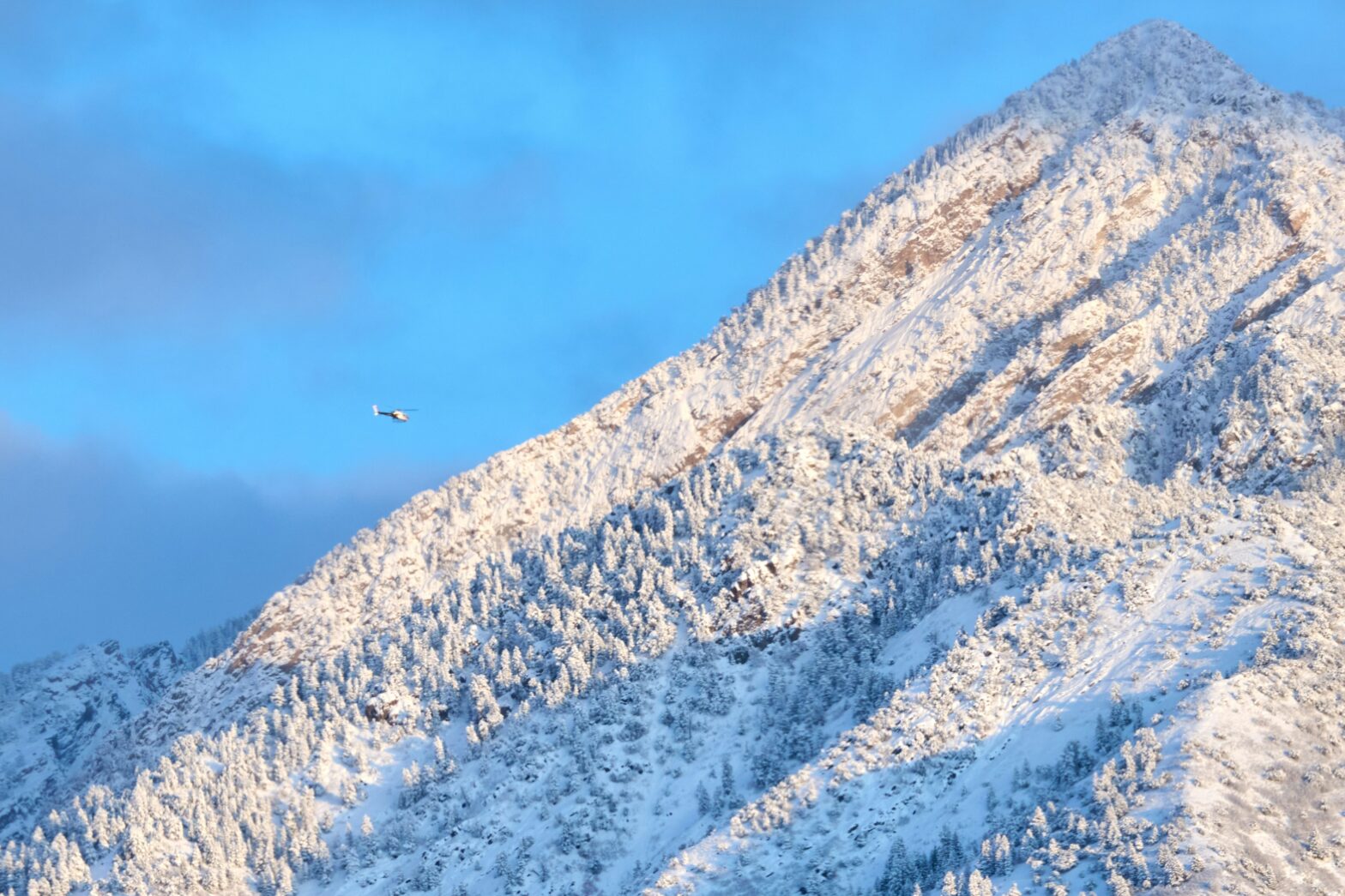
    While the majority of “Mountainhead” was filmed within the confines of this remarkable Utah estate, one scene was captured at Snowbird Mountain, located outside Salt Lake City. This is where the four main characters, embodying tech billionaires, write their net worths on their chests amidst the icy altitudes, a moment that visually underscores their detachment and the film’s thematic core.

    Utah’s dramatic mountains and pristine snowfields provided the ideal backdrop for “Mountainhead,” visually expressing the film’s themes of isolation and the imposing nature of wealth. The estate’s location in Deer Valley offered sweeping views of Jordanelle Reservoir, Bald Mountain, and the Uinta Mountains, further emphasizing the narrative’s focus on the isolated privilege of the tech elite. The area is renowned for its high-end real estate, with the mansion reportedly selling for over $50 million after an initial listing of $65 million.

    For travelers visiting Utah, even without the movie’s characters’ budgets, the region offers plenty to explore. Park City provides numerous activities year-round. Visitors can experience winter sports at the Utah Olympic Park, delve into history at the Park City Main Street Historic District or the Park City Museum, or enjoy the scenic beauty of the surrounding mountains and reservoirs.

    Have you watched ‘Mountainhead’? What did you think of the filming locations? Share your thoughts in the comments below!

  • Where Was Prime Video’s ‘Butterfly’ Filmed?

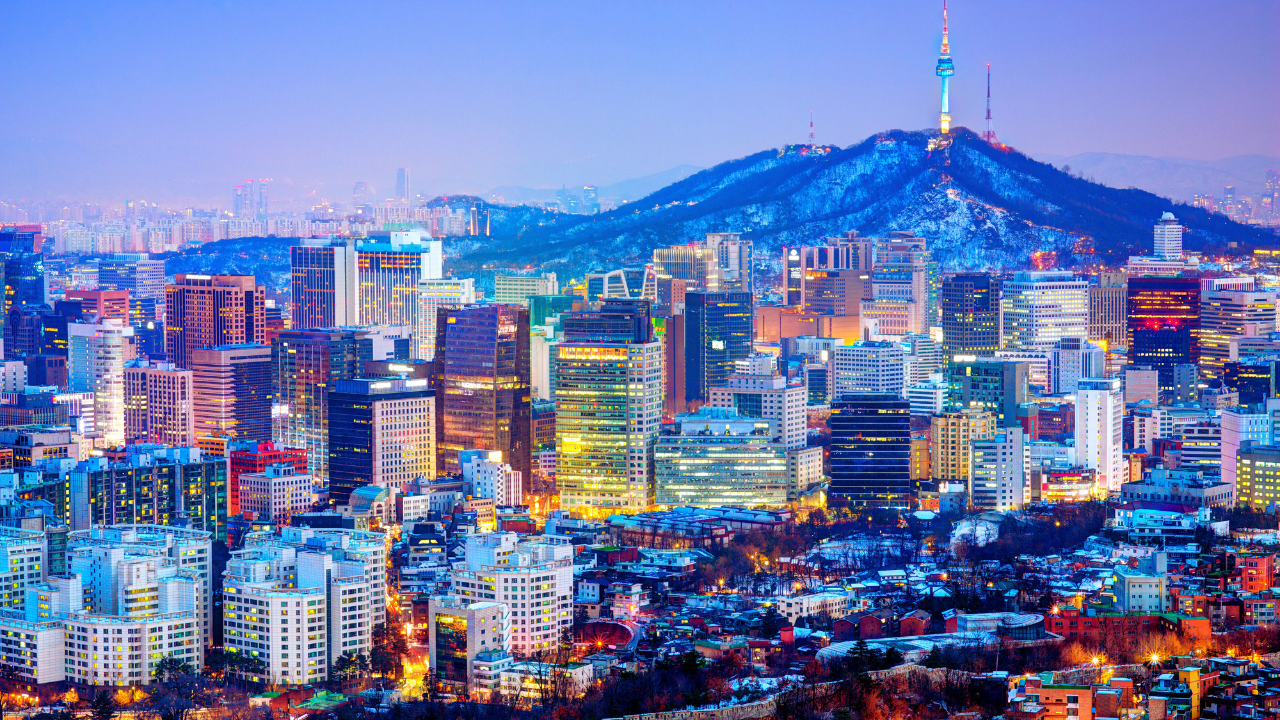
    Prime Video’s new espionage series, “Butterfly,” plunges viewers into the shadowy world of former U.S. intelligence operative David Jung (Daniel Dae Kim) as he navigates a dangerous mission in Seoul, South Korea. The series masterfully uses its South Korean backdrop to enhance the tension and emotional depth of its narrative. But where exactly was this gripping series filmed? The answer is: entirely on location across Seoul, with significant shoots also taking place in the cities of Busan and Andong.

    Exploring Seoul’s Diverse Landscapes

    Producers opted for authentic, real-world locations to immerse audiences in David Jung’s world, allowing viewers to potentially retrace the steps of the characters. The series showcases Seoul’s dynamic cityscape, featuring modern glass towers, traditional hanok-lined corridors, expansive riverside views from bridges like Seogang and Mapo, and bustling market alleys. These diverse settings provide a rich tapestry that mirrors the series’ blend of high-octane action and intimate character moments.

    Key scenes capture the essence of Seoul’s energy. An intense chase sequence unfolds across Yeouido’s Hangang Park, while the scale of the city is amplified by wide vistas from the Seogang and Mapo Bridges. The traditional lanes of Bukchon Hanok Village provide a backdrop for the flickering emotional connection between David and Rebecca, and Seoul Station, including its bullet-train platform, fuels feelings of urgency and movement crucial to the espionage plot.

    Beyond Seoul: Busan and Andong’s Contributions

    The series also ventures beyond Seoul to capture different facets of South Korea’s landscape. In Busan, sloping roads and ocean cliffs frame car chases and tense escape sequences, adding a dramatic coastal element. Andong’s heritage villages provide a sense of tradition and stillness, often used during reunion scenes that offer moments of reflection amidst the action.

    Series star Daniel Dae Kim shared his enthusiasm for filming across South Korea, noting, “We shot in over 20 cities all throughout South Korea. I loved showcasing the mountainside, countryside, as well as the skyscrapers of Seoul. I love that we got to shoot in Busan too, which is where I was born.” Specifically, Andong’s Hahoe Folk Village and Buyongdae Cliff add a unique layer of heritage and serenity that powerfully enhances their on-screen presence. Even Daegu, with its urban cafes and winding alleys, serves as a mood-setting location for safe houses and fleeting escapes.

    Planning Your ‘Butterfly’ Pilgrimage

    For fans eager to step into the world of “Butterfly,” visiting these filming locations offers a unique travel experience. Crossing the Seogang or Mapo Bridges provides a sense of the city’s scale, while a walk through Bukchon Hanok Village immerses you in history, mirroring the series’ intimate moments. Yeouido’s riverside paths offer a sense of both calm and surveillance, perfect for imagining key meetings from the show.

    When it comes to dining, Seoul offers diverse options. In Bukchon, Daol Charcoal Grill serves K-food favorites like bulgogi and pork belly. Near Hangang Park, fried chicken and beer trucks provide a casual picnic experience, while Dongdaemun’s night markets offer spicy tteokbokki and sweet hotteok. Gangnam’s rooftop restaurants provide Korean-fusion cuisine with city views. In Busan, Jagalchi Market offers fresh grilled fish, and Andong’s countryside restaurants serve jjimdak (braised chicken).

    For accommodation, Gangnam or Yeouido hotels offer modern stays near filming sites, while hanok guesthouses in Bukchon provide a more traditional and intimate experience. Staying near Seoul Station allows for easy access via KTX bullet train to Busan or Daegu for exploring more filming locations.

    Have you watched ‘Butterfly’ yet? Which filming location are you most excited to visit? Let us know in the comments below!