Category: Education and Health Initiatives

  • Florida Textbook Edits Spark Outrage

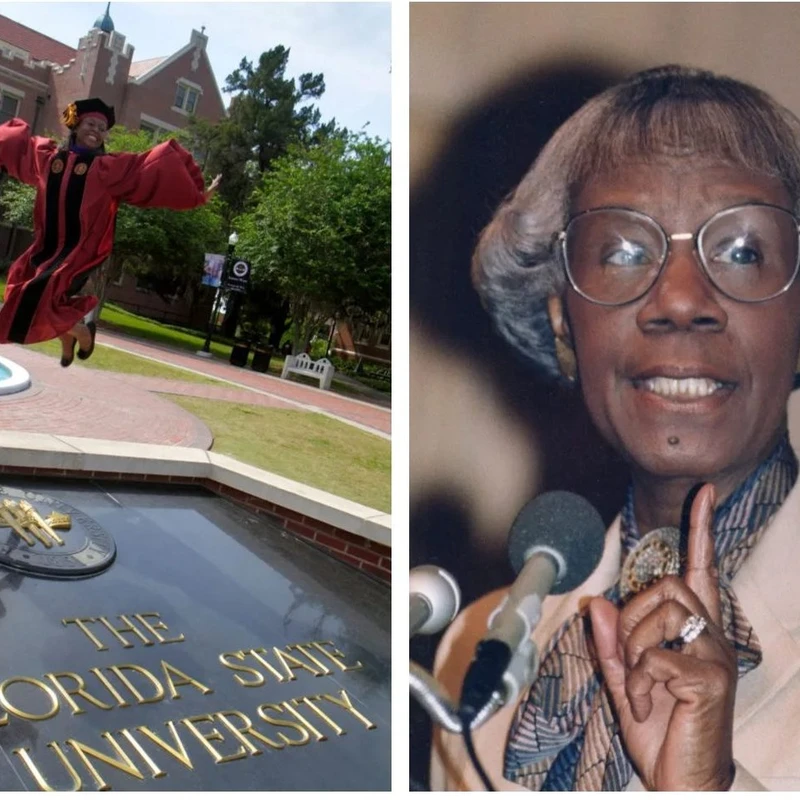
    In Florida, a new version of a required sociology textbook for introductory courses at Florida State University has sparked significant backlash. The revised edition, part of Governor Ron DeSantis’s initiative to eliminate “woke ideology,” has drastically cut content, removing entire chapters on race, ethnicity, and social justice movements, and reducing historical figures to mere footnotes.

    Drastic Cuts and Content Removal

    The original textbook, an open-source resource with 669 pages, has been slashed to just 267 pages. This massive reduction includes the elimination of four entire chapters, notably one on race and ethnicity and another detailing the historical genocide of Native Americans. The term “racism,” which appeared 115 times in the original text, is now mentioned only six times.

    Instructors have also pointed out numerous typos and what appear to be rushed compilations, raising serious questions about the thoroughness and accuracy of the new version. This comes after a 2023 state law prohibiting college courses from “distorting significant historical events or teaching identity politics.”

    Silencing History: Trayvon Martin, BLM, and Shirley Chisholm

    Key historical events and movements that were previously discussed have been erased. References to the killing of Trayvon Martin and the Black Lives Matter movement are gone. Perhaps most notably, Shirley Chisholm, the first Black woman elected to Congress, has been relegated to a single footnote in the revised text.

    Civil rights attorney Ben Crump voiced his outrage on Instagram, calling the reduction of Chisholm, a trailblazer for Black women, to a mere footnote a significant disservice. The edits have led to widespread criticism from educators, civil rights advocates, and parents concerned about the historical accuracy and completeness of education in Florida.

    Concerns Over Ideological Control

    Professors argue that this textbook revision serves the ideological agenda of the Florida state government over the intellectual contributions of sociologists. Evan Lauteria, an assistant instructional professor at UF, stated that this approach “effectively erases our field’s capacity to address social problems and sets a dangerous precedent for the state to impose its own definition of science.”

    The removal of these topics and figures raises concerns about how students will gain a comprehensive understanding of American history, race, and social justice. Many are questioning the implications of such censorship on higher education and the future of academic freedom in the state.

    What are your thoughts on these textbook revisions in Florida? Do you believe this approach to education is appropriate? Share your views in the comments below!

  • HBCU Attendance Linked to Better Brain Health

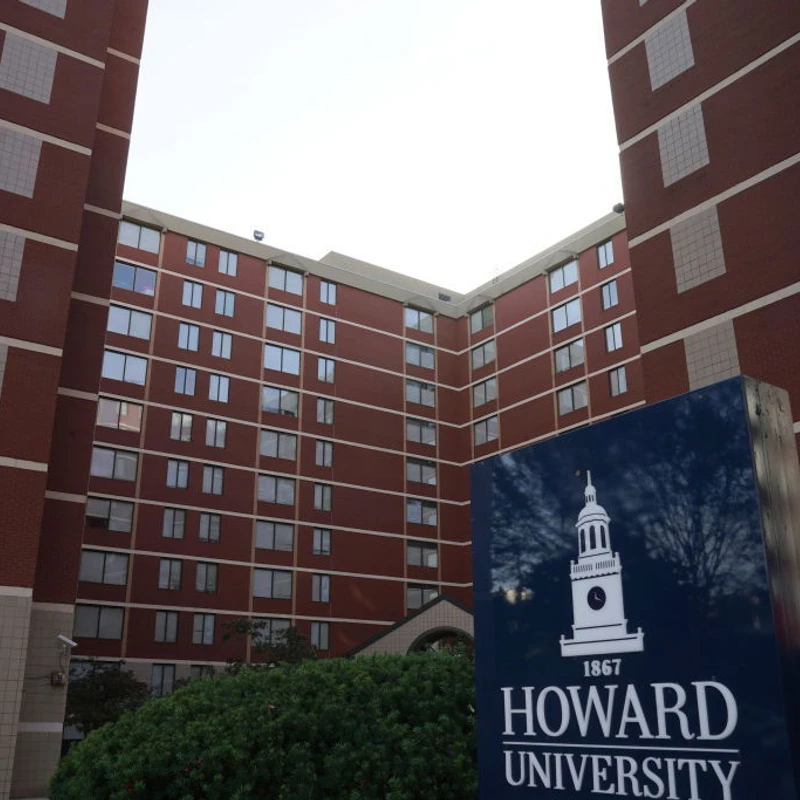
    Did you know that where you go to college could impact your brain health decades later? A fascinating new study is shedding light on the long-term benefits of attending a Historically Black College or University (HBCU), suggesting these culturally affirming environments contribute to better cognitive function throughout life.

    The Study’s Key Findings

    Published in JAMA Network Open, the research involved nearly 2,000 Black adults who attended college between 1940 and 1980. The findings revealed that individuals who matriculated at HBCUs maintained better memory and cognitive function compared to their Black peers who attended predominantly white institutions (PWIs).

    Dr. Marilyn Thomas, an assistant professor of medicine at the University of California, San Francisco, explained that HBCU attendees showed better cognition across multiple time periods studied. This suggests that the positive effects are not just immediate but have a lasting impact well into adulthood, with participants averaging 62 years old.

    Cultural Affirmation and Well-being

    The study also explored early-life factors that might influence these outcomes. Researchers noted that HBCU attendees were more likely to have mothers or female caregivers with college degrees and reported experiencing more affection during their upbringing. These elements, combined with an environment that combats racism, likely contribute to lower stress levels.

    This research adds a crucial layer to the conversation about education and health, moving beyond just the length of schooling. It strongly suggests that culturally affirming spaces, like HBCUs, play a vital role in promoting and protecting cognitive health. This is particularly relevant today, with the rise of anti-DEI legislation potentially creating more isolating environments for students of color.

    The Lasting Impact of HBCUs

    The study underscores the profound importance of HBCUs in fostering not only academic success but also the overall health and well-being of their students. By creating environments where students feel welcomed and affirmed, these institutions contribute to healthier lives that extend far beyond graduation.

    What are your thoughts on this study linking HBCU attendance to better brain health? Share your experiences or opinions in the comments below!

  • Barry Sanders: From NFL Legend to Heart Health Advocate

    Barry Sanders, a name synonymous with electrifying runs and NFL greatness, is now tackling a different kind of challenge: advocating for heart health. The Detroit Lions legend experienced a wake-up call in the summer of 2024 when he suffered a heart attack, an event that has inspired him to become a vocal proponent for understanding and preventing heart disease.

    A Father’s Day Scare

    It was Father’s Day 2024 when Sanders first felt a “slight burning feeling” in his chest. Initially dismissing it as heartburn, he tried to walk it off. However, as the symptoms persisted, he made the crucial decision to drive himself to the emergency room. The diagnosis – a heart attack – came as a profound shock to the athlete who believed he was in good shape and doing many things right.

    This experience was particularly surprising for the father of four, known for his agility and ability to evade much larger opponents on the football field. His doctors have since implemented a plan to manage his cholesterol and maintain a healthy lifestyle. This personal health crisis led Sanders to partner with Amgen, a leading biopharmaceutical company, as a spokesperson and a key figure in their documentary, “The Making of a Heart Attack.”

    The Silent Threat: LDL Cholesterol

    Sanders’s story is one of five featured in the documentary, highlighting a common thread: a lack of initial recognition that a heart attack was occurring. He emphasizes that this is not uncommon and points to the importance of understanding risk factors, particularly elevated LDL-C, or “bad” cholesterol. According to Amgen, over 40% of U.S. adults with high LDL-C are unaware of their levels.

    Tara Robinson, CEO of the Black Heart Association and featured in the documentary, shares her own harrowing experience of three heart attacks in one week. Her journey led her to co-found a nonprofit dedicated to improving health outcomes in communities of color, addressing alarming statistics that show Black women face higher rates of heart disease and stroke compared to white women. Robinson also highlights stress as a significant risk factor, something she experienced deeply as a “strong Black woman.”

    Proactive Health and Lions Football

    Sanders, who still resides in Detroit and is involved in various business ventures, remains passionate about football. He’s optimistic about the Detroit Lions’ potential for a Super Bowl push, citing the team’s strong nucleus of players. However, his primary focus remains on promoting proactive health measures.

    His core message is simple yet vital: “Everyone out there is important to someone, and this is an extremely important health conversation to have.” He urges everyone to make time for discussions about heart attack and stroke prevention with their doctors and to actively work on lowering bad cholesterol levels. Resources are available at attackheartdisease.com/documentary, and a special interview with Sanders airs March 24th on BLACK ENTERPRISE’s streaming platforms.

    What steps are you taking to prioritize your heart health? Share your tips and experiences in the comments below!