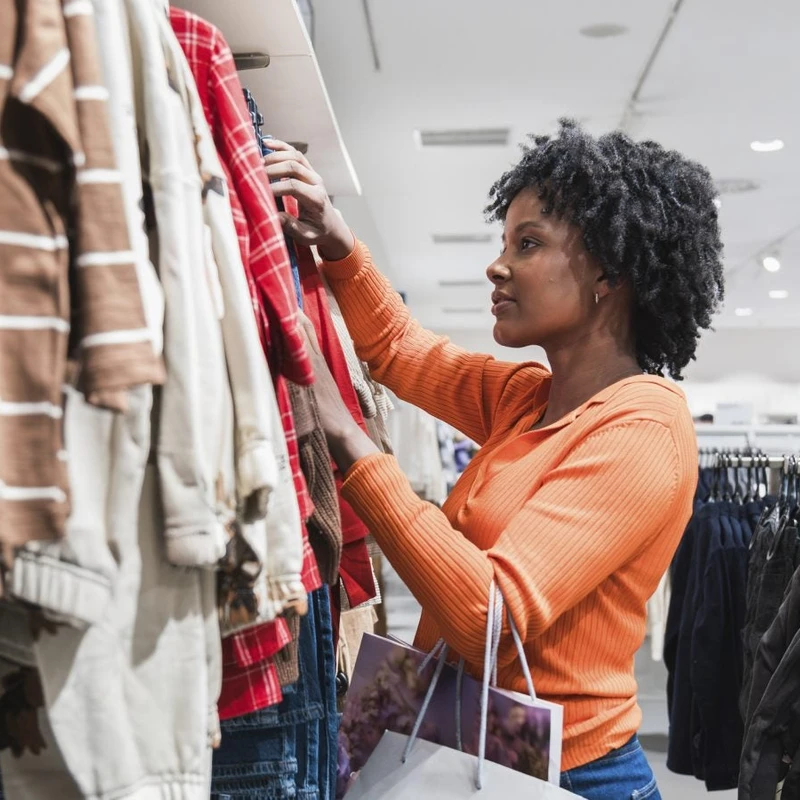
Did you notice the buzz online this past Black Friday? For weeks leading up to it, social media was filled with talk of boycotts and financial restraint, especially among Black consumers vowing to keep their money close due to rising costs. Yet, come Friday, the same feeds were suddenly alive with haul videos and discount codes. It’s a bit of a head-scratcher, right?
Record Spending Amidst Economic Uncertainty
The numbers are in, and they’re staggering. According to Adobe Analytics, online shoppers in the U.S. dropped a record $11.8 billion on Black Friday alone. That’s a 9.1% jump from last year, happening even as household budgets have been feeling the squeeze for months. It seems that when everyday life gets expensive, people don’t stop shopping; they just get smarter about it.
This surge in spending could be a significant indicator of what’s to come, especially as the holidays approach and families look to provide. When essentials like groceries and gas strain budgets, shoppers naturally wait for those rock-bottom prices to stock up. These deals transform from luxury splurges into necessities for survival, with a side of much-needed retail therapy.
Retailers and Technology Play a Role
Retailers certainly pulled out all the stops, offering deep discounts on everything from electronics and toys to furniture and appliances. Interestingly, over half of these sales happened on mobile devices, showing people were hunting for bargains from virtually anywhere. The use of ‘buy now, pay later’ services also saw an 8.9% increase, another sign that consumers are stretching their finances.
Technology, including AI-powered shopping tools, played a massive role. Traffic to retail sites from generative AI tools surged by over 800%, as consumers leveraged every advantage to find the best prices. This technological boost made it easier than ever to chase those desperate deals.
The Black Consumer’s Dilemma
For Black shoppers, the situation presented a palpable cognitive dissonance. The same community calling for economic boycotts and financial discipline showed up in force, proudly sharing their shopping wins. This reflects our current economic reality, where inflation hovers significantly above the Federal Reserve’s target, and slowing hiring raises fears of stagflation. In such times, you grab the deals when you can.
With Cyber Monday projected to surpass Black Friday with an estimated $14.2 billion in sales, this spending momentum is set to continue. If this is how Black Friday unfolded, the next six weeks promise to be a significant period for consumer activity, regardless of boycott talks.
What are your thoughts on this year’s Black Friday spending? Do you think it reflects economic pressure or just a love for deals? Let us know in the comments!