Category: DEI and Social Issues

  • Alabama U. Suspends DEI-Focused Magazines

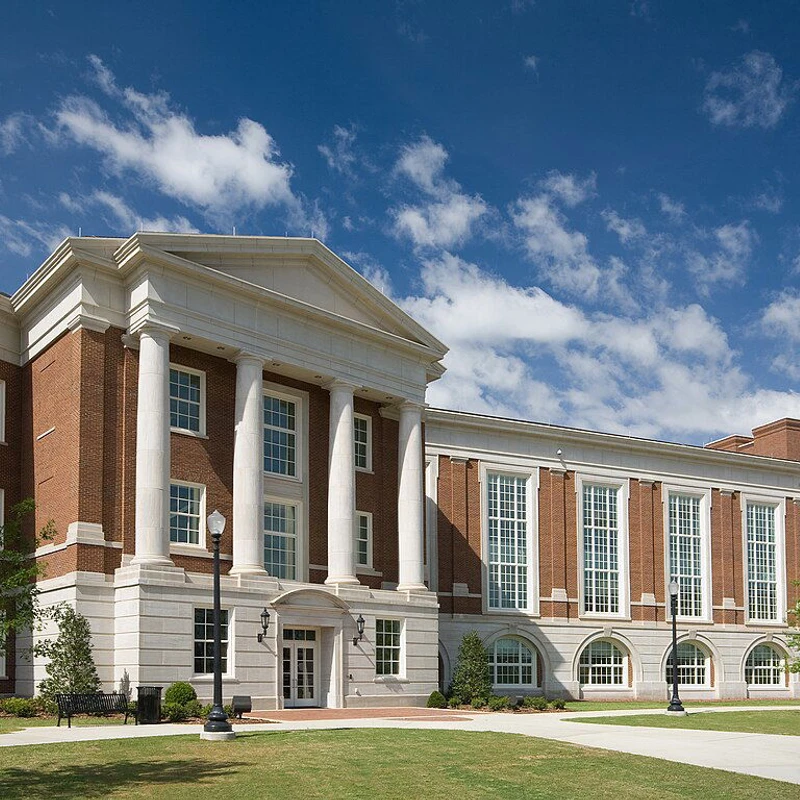
    This is a tough one. The University of Alabama has made the decision to suspend two of its student-run magazines, Alice and Nineteen Fifty-Six. One focused on women’s issues, and the other highlighted Black culture and student life. The reason? Shifting federal guidelines around Diversity, Equity, and Inclusion (DEI) initiatives.

    Why the Suspension? Anti-DEI Standards Cited

    University leaders informed the staff of both magazines on December 1st that the school can no longer support publications based on specific demographics. This move reportedly stems from a July memo by Attorney General Pam Bondi, which advised federally-funded institutions to avoid practices the Trump administration deemed unlawful DEI measures. Specifically, officials pointed to concerns about “unlawful proxies” – criteria that might indirectly discriminate based on race or sex.

    Steven Hood, the university’s vice president of student life, explained at a meeting that magazines based on demographics like these might not align with federal guidance for a public institution. Even when magazine staff pointed out that their publications welcomed students of all backgrounds, Hood stated it wasn’t enough to meet the federal requirements.

    Student Reactions and University Response

    The editors of the suspended magazines expressed their disappointment and shock. Kendal Wright, editor-in-chief of Nineteen Fifty-Six, called the decision “devastating but, regrettably, not surprising” given the current national climate. Gabrielle Gunter, editor-in-chief of Alice, felt blindsided, stating she believed their First Amendment rights to freedom of the press would protect them from such anti-DEI rulings.

    A university spokeswoman, Alex House, clarified that the suspensions were in compliance with the law, aiming to ensure all students feel welcome in programs funded by the Office of Student Media. She also emphasized that the university “will never restrict our students’ freedom of expression.” Hood mentioned plans to launch a new campus lifestyle magazine for all students and invited the former editors to contribute.

    What are your thoughts on the University of Alabama’s decision to suspend these magazines? Share your perspective in the comments below!

  • NJ Law Student Charged for MAGA Attack Hoax

    Talk about a shocking twist! A New Jersey law student, Natalie Greene, who claimed she was attacked because of her MAGA beliefs, is now facing serious charges. What started as a headline-grabbing story has unraveled into a complex hoax, leading to conspiracy and false statement charges.

    The Alleged Attack and Its Unraveling

    Back in July, Greene made headlines by alleging she and a co-conspirator were threatened by three men at a New Jersey nature preserve. She claimed the men were discussing politics and hurling insults. The situation escalated when police arrived to find Greene with zip ties on her hands and visible marks on her body, which she said were from a gun threat. She even had “TRUMP Whore” and other writings scrawled on her.

    However, a thorough investigation by the U.S. Attorney’s Office for the District of New Jersey revealed a different story. Authorities determined that Greene had not been attacked. Instead, she had allegedly paid a body modification artist to intentionally create the lacerations on her face, neck, chest, and shoulder, following a pattern she provided.

    Evidence and Charges

    Investigators found evidence on Greene’s phone detailing her contact with the scarification artist, who provided a $500 receipt for the payment. Similar zip ties to those allegedly used on Greene were also reportedly found in her car. Based on this evidence, the 26-year-old has been arrested and charged with conspiracy to convey false statements and hoaxes, as well as making false statements to federal law enforcement.

    If convicted, Greene could face up to ten years in prison. Her former employer, Republican Rep. Jeff Van Drew, expressed hope that she is “getting the care she needs.” Meanwhile, her lawyer maintains her innocence, stating she is presumed innocent and will present her defenses in court.

    Motive and Impact

    The exact motive behind Greene’s alleged actions remains unclear. However, critics argue that such hoaxes are particularly harmful, especially in today’s already polarized political climate. Faking hate crimes can undermine legitimate victims and further inflame tensions.

    What are your thoughts on this case and the impact of fake hate crime allegations? Share your views in the comments below!