Category: Cybersecurity and Data Center Issues

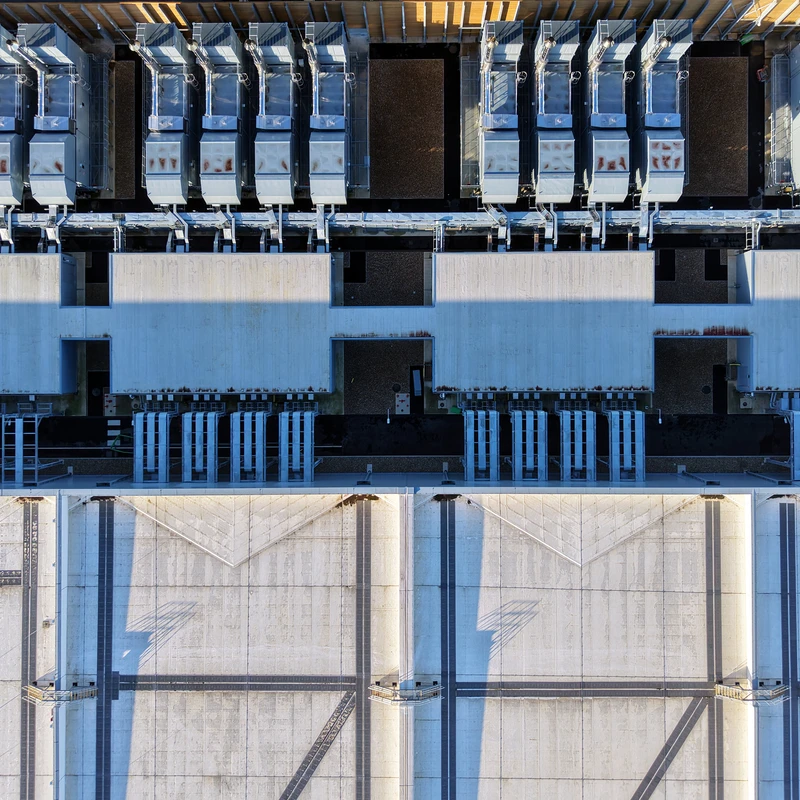
  • Data Centers Drain Water Amid US Droughts

    Imagine living in a community already struggling with water shortages, only to find out that massive data centers are tapping into the same limited public water supplies, sometimes without proper authorization. This is the reality unfolding in several drought-stricken US communities, sparking frustration and raising serious questions about sustainability in the tech industry.

    Water Woes in Georgia and Arizona

    Recent reports highlight two concerning incidents. In Fayette County, Georgia, residents experienced declining water pressure, leading to an investigation that uncovered a massive data center campus, ‘Project Excalibur,’ owned by Blackstone and developed by QTS. It turned out the company had consumed over 29 million gallons of water, equivalent to about 44 Olympic-sized swimming pools, through connections that were either unmetered or not properly billed.

    While county officials cited an error during a smart meter transition and acknowledged QTS’s economic importance, the sheer volume of water used is staggering. Meanwhile, in Tucson, Arizona, a proposed data center complex, ‘Project Blue,’ faced rejection due to water and energy concerns. Despite this, the developer, Beale Infrastructure, continued construction.

    Unauthorized Usage and Dust Suppression

    An investigation triggered by a resident’s question revealed that a contractor for Project Blue had allegedly obtained water from Tucson’s service area and transported it outside city limits for dust suppression without authorization. Although Beale claims they followed normal procedures, city officials maintain that authorization was never granted. The company later received a notice of violation for excessive dust and lack of dust control measures.

    The Scale of Data Center Water Consumption

    These incidents are not isolated. Data centers are massive water consumers, primarily for cooling purposes. In 2023, they consumed an estimated 17.4 billion gallons of water in the US. Projections suggest this could skyrocket to between 38 and 73 billion gallons annually by 2028.

    • A typical mid-sized data center uses about 110 million gallons of water yearly, enough for 1,000 households.
    • Some larger facilities can use up to 5 million gallons per day.
    • In Oregon, Google’s data centers used a quarter of The Dalles’ water supply in 2021.
    • Meta has faced accusations of disrupting nearby private wells, though the company denies a connection.

    In response to these growing concerns, over 50 American cities have implemented bans or moratoriums on new data center construction, highlighting the national tension surrounding their development and resource consumption.

    What do you think about the water usage of data centers in communities facing drought? Should there be stricter regulations? Share your thoughts in the comments below!
  • Canvas Cyberattack Exposes 275M School Records

    Imagine trying to submit your final exams or grade papers, only to find your school’s learning platform completely inaccessible. That’s the reality many students and educators faced when Instructure Canvas, a widely used academic portal, was hit by a major cyberattack. The breach, claimed by the notorious hacker group ShinyHunters, has put millions of student records at risk across the US, including those at Historically Black Colleges and Universities (HBCUs).

    Disruption During Critical Times

    The cyber incidents began on April 29, 2026, with a second, more disruptive attack occurring on May 7th. During the second incident, unauthorized actors altered Canvas pages, prompting Instructure to temporarily shut down services. This move locked out students and instructors precisely when they needed the platform most – during final exams.

    Instructure explained that the attackers gained access through their ‘Free-for-Teacher’ accounts, leading to data theft and unauthorized modifications. While the company acted swiftly to disable the affected product and contain the second attack within minutes, the initial breach had already compromised data.

    What Data Was Exposed?

    ShinyHunters claimed to have obtained approximately 275 million records and threatened to leak them unless a ransom was paid. According to Instructure, the compromised data primarily includes email addresses and student ID numbers. Importantly, the company stated there’s currently no evidence that sensitive information like Social Security numbers, birth dates, or passwords were accessed.

    Resolution and Rebuilding Trust

    Fortunately, Instructure announced on May 11th that they had reached an agreement with the attackers to have the stolen information returned and destroyed. The company is working with expert vendors to conduct forensic analysis, strengthen their systems, and review the data involved. As of May 15, 2026, the Canvas platform is reported to be fully operational.

    Rebuilding trust takes time. We’re going to earn it back through consistent action and honest communication. — Steve Daly, CEO of Instructure

    Strengthening Defenses Against Future Attacks

    This incident underscores the increasing sophistication of cybercriminals and the growing reliance of educational institutions on digital tools. The Cybersecurity & Infrastructure Security Agency (CISA) warns of a potential rise in large-scale attacks that could disrupt essential services nationwide.

    • Use strong, unique passwords.
    • Regularly update all software.
    • Be cautious of suspicious links and attachments.
    • Enable multi-factor authentication (MFA) whenever possible.

    Experts emphasize that both individuals and organizations need robust cybersecurity strategies to protect themselves. Every prevented attack contributes to the overall cybersecurity of the nation.

    What steps do you take to protect your personal data online? Share your best cybersecurity tips in the comments below!