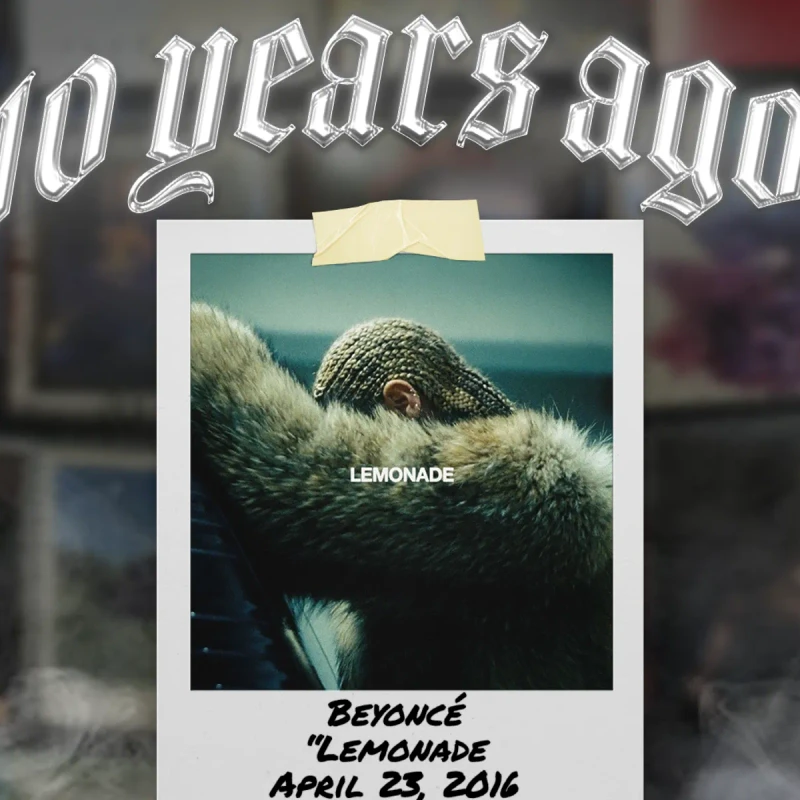
It’s hard to believe it’s been a decade since Beyoncé dropped ‘Lemonade.’ Released without warning on April 23, 2016, this wasn’t just an album; it was a cultural event. A one-hour visual film premiered on HBO, presenting a deeply personal and powerful body of work that left audiences stunned, questioning, and utterly captivated.
A Surprise Release That Changed Everything
The rollout of ‘Lemonade’ was unlike anything seen before. It arrived as a complete visual album, a cohesive narrative woven through striking imagery, poignant poetry, and raw emotional expression. The music followed, a twelve-track journey through genres and feelings that felt both intensely personal to Beyoncé and universally relatable.
From the moment it aired, the conversation ignited. People grappled with the complex themes of anger, betrayal, family, Southern identity, and, most significantly, Black womanhood. The iconic line, “Becky with the good hair,” from the song “Sorry,” quickly became a cultural touchstone, sparking widespread speculation about infidelity and reducing the album’s depth for some.
Decoding the Narrative: Infidelity and Beyond
The narrative of infidelity, particularly concerning Beyoncé’s marriage to Jay-Z, quickly dominated the public discourse. Songs like “Hold Up,” “Don’t Hurt Yourself,” and “Sorry” were dissected, with fans attempting to piece together a public narrative of betrayal and eventual repair. The phrase “Becky with the good hair” became shorthand, fueling intense speculation and internet sleuthing.
However, Beyoncé masterfully left space for interpretation, never explicitly confirming or denying the personal details. This ambiguity allowed the album to transcend a simple marital drama, embracing broader themes of Black womanhood and resilience. Jay-Z’s later album, ‘4:44,’ seemed to address these themes more directly, subtly shifting the context through which ‘Lemonade’ was heard.
Musical Range and Artistic Control
Beyond the narrative, the musicality of ‘Lemonade’ was groundbreaking. The album seamlessly moved between genres, from the aggressive energy of “Don’t Hurt Yourself” to the Southern country influences of “Daddy Lessons” and the gospel-infused power of “Freedom” featuring Kendrick Lamar. This sonic diversity was held together by Beyoncé’s meticulous vision and artistic control through her Parkwood Entertainment.
Collaborations with a wide range of producers and writers, including Mike Will Made-It, Diplo, James Blake, and Jack White, contributed to the album’s rich and cohesive sound. Tracks like the raw, unpolished “Don’t Hurt Yourself” and the fragile “Sandcastles” showcased intentionality in every sonic choice, proving the music itself was as deliberate as the visuals.
Cultural Impact and Lasting Legacy
‘Lemonade’ wasn’t just a commercial success; it was a cultural reset. It debuted at No. 1 on the Billboard 200 and dominated charts globally. More importantly, it placed Black women at the center of its narrative, making their experiences inseparable from the music and visuals. The album’s impact was so profound that even its loss of Album of the Year at the Grammys became a point of cultural discussion.
Sitting between the groundbreaking surprise drop of her self-titled album and the liberating release of ‘Renaissance,’ ‘Lemonade’ stands as a testament to Beyoncé’s artistic evolution. It represents a moment of rupture, a deeply personal yet universally resonant exploration of pain, power, and healing that continues to influence music, art, and cultural conversation a decade later.
Ten years on, ‘Lemonade’ still holds immense power. What does the album mean to you? Share your favorite songs, visuals, or memories in the comments below!