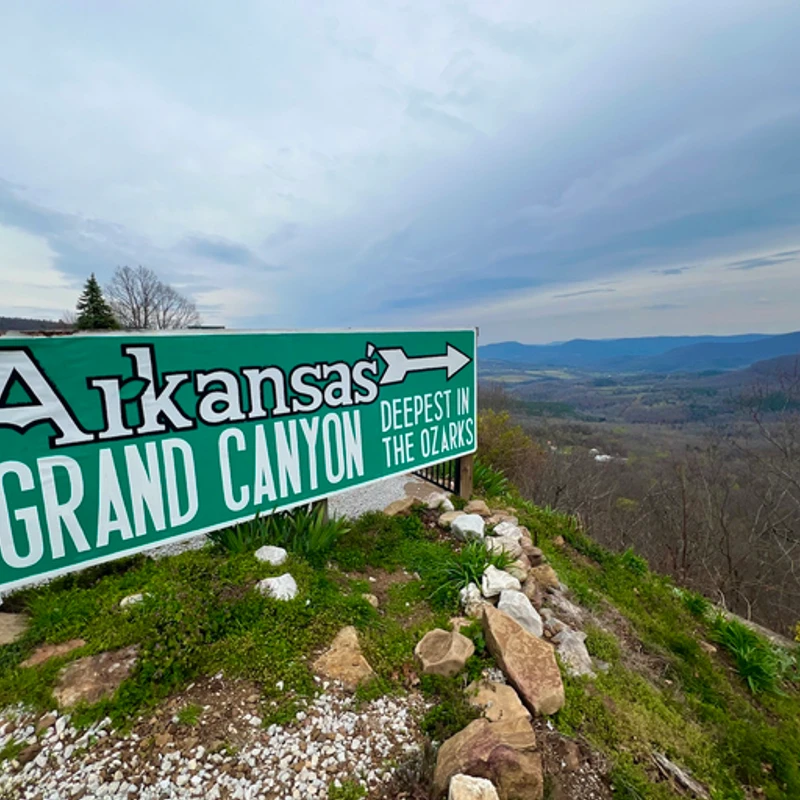
In a case that highlights the persistent issue of housing discrimination, a white woman named Michelle Walker is suing an organization called Return to the Land. The group, which aims to create an all-white community in rural Arkansas, allegedly rejected Walker’s housing application. The reason? Her Jewish heritage, Black husband, and biracial children.
A Lawsuit Against Exclusion
Walker, who identifies as white, Christian, and a real estate broker, filed a federal discrimination lawsuit against the organizers. Her complaint states that the group’s founders believe in white genetic superiority, view Jewish people as a threat to the white race, and advocate for segregated communities to prevent ‘white genocide.’ Walker’s attorney, Reed Colfax of the Legal Defense Fund, called the actions ‘blatant and brazen violations of long-standing federal and state fair housing laws.’
The lawsuit asserts that Walker has been denied her housing and civil rights, including the fundamental right to purchase land and build a home. This case brings to light the disturbing reality of white supremacist ideologies attempting to manifest in exclusive residential enclaves.
Red Flags Ignored?
Walker reportedly learned about the land sale in the Ozarks last summer and was initially drawn to the low asking price. However, during the application process, she encountered a series of intrusive questions about her ancestry and religion. She disclosed her family’s history, including her husband’s Irish and African descent and her children’s mixed heritage, as well as her Christian faith.
Despite recognizing these questions as potential violations of fair housing laws, Walker completed the application, hoping the organization would comply with legal standards. She was later interviewed and asked if she belonged to ‘any other white nationalist organizations.’ After a month of silence, she was informed her application would not be approved.
A Confusing Application Process
The application process itself seems to have been riddled with red flags, leading to questions about Walker’s awareness of the community’s exclusionary nature. The article humorously speculates on whether she consulted her Black husband about applying to a community explicitly seeking to exclude non-white residents.
The situation is framed within a broader context of what the author describes as an ‘absurd timeline,’ referencing past actions by the Trump administration that were seen as catering to white grievance claims. Regardless of the motivations or awareness, Walker’s lawsuit seeks to challenge the blatant discrimination she allegedly faced.
What are your thoughts on Michelle Walker’s lawsuit and the existence of exclusive communities? Share your perspective in the comments below!