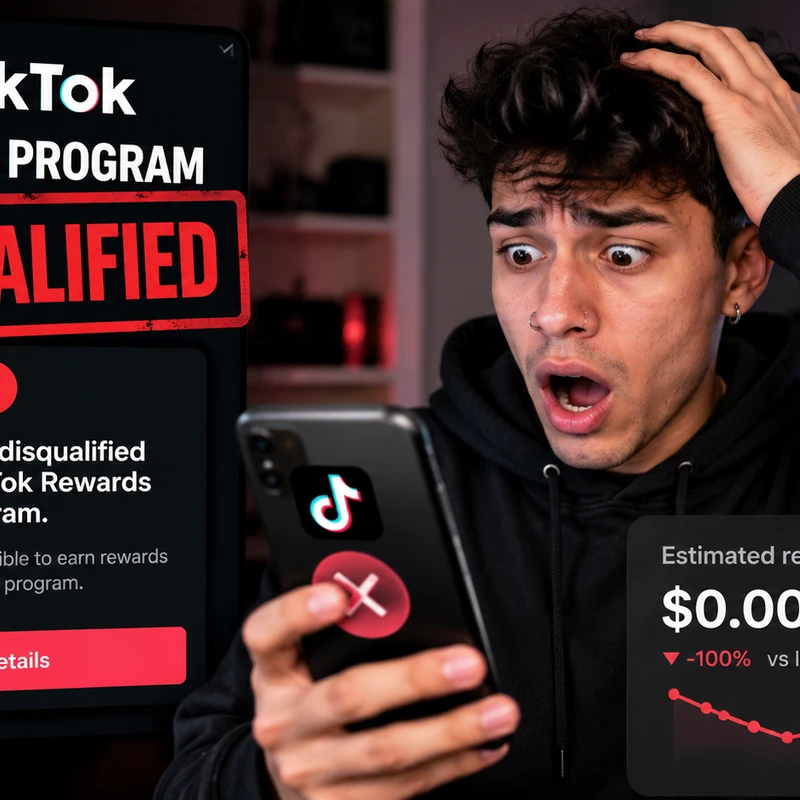
Imagine pouring your heart, soul, and countless hours into creating original content for TikTok, only to be suddenly disqualified from its Creator Rewards Program for something called ‘unoriginal content.’ That’s the frustrating reality for many creators right now, who claim the platform is mislabeling their own work and keeping the ad revenue they rightfully earned.
The ‘Unoriginal Content’ Conundrum
The TikTok Creator Rewards Program, which replaced the older Creator Fund in 2024, is the main way many users monetize their videos. It pays creators based on RPM (revenue per 1,000 views), with higher rates for longer videos and creators in countries like the US and UK. To even qualify, you need a solid following (10,000+ followers), significant views (100,000+ in 30 days), a clean record, and crucially, content that TikTok deems original.
This last requirement is where things are going seriously wrong. Creators are reporting that their meticulously produced videos – filmed, edited, and uploaded entirely by them – are being flagged. Despite investing in editing software, lighting, cameras, and building an audience over months or years, they receive notifications that their content violates originality policies, leading to disqualification or even account removal from the program.
Frustration Mounts as Appeals Fall Flat
The lack of transparency is fueling the fire. Creators are tagging TikTok in videos daily, sharing the same story: their original work is being rejected. One creator expressed disbelief at being accused of fake engagement after building their platform on genuine research and passion. Another put it bluntly: TikTok is essentially saying they don’t want to pay creators without actually saying it.
This situation is pushing some creators to seek greener pastures. A nature content creator mentioned shifting their focus to Instagram and YouTube, citing their more transparent content rules. The frustration is palpable, with countless videos highlighting the issue, yet TikTok’s official accounts remain publicly silent.
Policy vs. Practice: A Wide Gap
On paper, TikTok’s policy on unoriginal content seems straightforward. It typically includes things like using Duet and Stitch features excessively, reposting content with another creator’s watermark, or making minor edits like speed adjustments or adding filters. However, the current application of this policy appears far broader.
Creators filming themselves talking directly to the camera, using their own voice and production setup, are being flagged. Appeals are reportedly being denied within hours, often with automated responses and no clear explanation of which specific video triggered the flag. This disconnect between stated policy and actual enforcement is leaving creators feeling powerless.
The Math Behind the Disqualifications
The timing and nature of these mass disqualifications raise serious questions. The Creator Rewards Program operates on a 50/50 ad revenue split. For every video disqualified, TikTok doesn’t have to share revenue. When thousands of accounts are hit in waves, with no clear pattern or appeal process, it’s hard not to see a financial motive.
This issue also intersects with long-standing concerns from Black creators about algorithmic suppression and uneven guideline enforcement. Historically, Black creators have documented how their trends and sounds are amplified by others for profit, while they face hurdles. The current originality flag could be seen as the latest tool disproportionately impacting creators with already thin margins.
What Can Creators Do?
TikTok’s official advice is to appeal, delete flagged videos, post three new original videos within a week, and endure a 30-day review period. However, creators report that appeals are often ineffective. The unofficial, yet increasingly common, strategy is to mirror content across platforms like Instagram Reels and YouTube Shorts, using TikTok primarily for discovery rather than direct income.
Ultimately, the platform that rose to fame on the backs of original creators is risking its most valuable asset: trust. When creators feel unfairly penalized and see their potential earnings disappear, they’re not just leaving the program; they’re taking their audiences with them. This ‘brand problem’ is growing with every wrongly applied originality flag.
Have you experienced issues with TikTok’s Creator Rewards Program or originality flags? What are your thoughts on this situation? Share your experiences and opinions in the comments below!