Category: Civil Rights and Politics

  • Iran Rejects Trump Ceasefire, Sets Own Terms

    In a defiant stance, Iran has rejected a ceasefire proposal put forth by former President Donald Trump, signaling a deepening divide as regional conflict escalates. Instead of accepting the terms, Iranian officials have laid out their own conditions for any potential resolution, making it clear that a simple cessation of hostilities is not enough.

    Iran’s Demands for Resolution

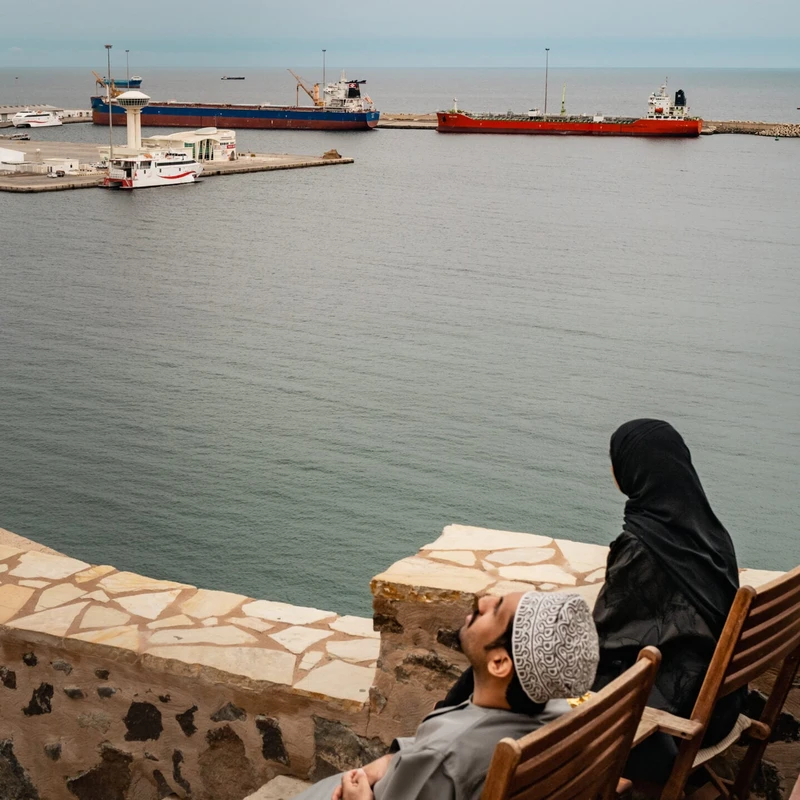
    According to reports from Iranian officials, the government will not consider a ceasefire unless several key demands are met. Chief among these are compensation for war damages and, crucially, formal recognition of Iran’s sovereignty over the Strait of Hormuz. This vital global shipping route, which carries approximately 20% of the world’s oil and gas, is a major point of contention.

    Under international law, the Strait of Hormuz is considered a shared waterway, and no single country holds exclusive legal authority over it. Iran’s insistence on sovereignty highlights the significant gap in diplomatic efforts between the two sides.

    Escalating Military Activity and Concerns

    This rejection comes amidst intensified military operations. Israel has reportedly increased its actions against Iranian targets and Hezbollah forces in Lebanon. In response, the United States has bolstered its military presence in the region, deploying additional Marines and Army personnel as a precautionary measure amid rising tensions.

    Within Iran, leadership remains firm. The speaker of the Iranian parliament has warned that adversaries might be preparing for further escalation, including the potential occupation of Iranian territory. This reflects deep-seated concerns about the expanding scope of the conflict.

    Humanitarian Impact and Economic Consequences

    The ongoing hostilities are already taking a toll on civilians. Recent strikes in Tehran have damaged residential areas, with reports of casualties following attacks on buildings in neighborhoods like Shahrak-e Gharb. The destruction underscores the severe human cost of the conflict.

    The Strait of Hormuz remains a critical focal point. Any disruption to this key artery for global oil supplies could trigger significant international economic repercussions. With both Iran and the opposing forces holding firm positions and military activity on the rise, a clear path toward de-escalation is not currently visible, raising concerns about prolonged instability in the region.

    What are your thoughts on Iran’s conditions for a ceasefire? How do you see the conflict in the Middle East evolving? Share your perspective in the comments below!
  • Kristen Clarke Joins NAACP for Voting Rights

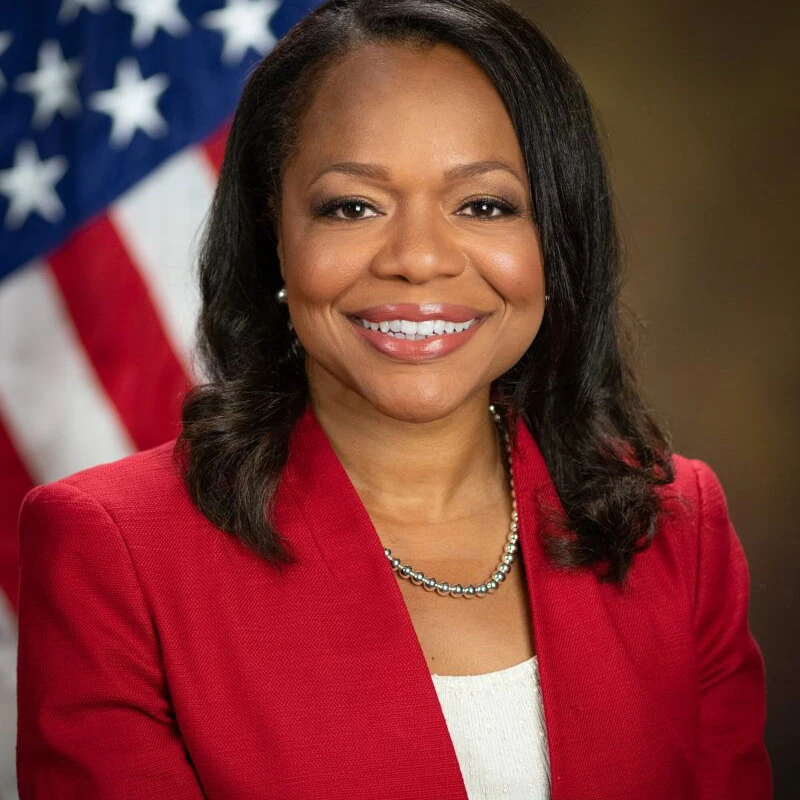
    The National Association for the Advancement of Colored People (NAACP) has welcomed a powerhouse legal mind to its ranks. Kristen Clarke, a highly respected civil rights attorney and former Assistant Attorney General for Civil Rights, has been appointed as the NAACP’s new General Counsel. Her mission? To spearhead the organization’s crucial fight for voting rights.

    A New Leader for a Critical Fight

    Clarke’s arrival marks a significant ramp-up in the NAACP’s legal advocacy efforts. The organization stated that hiring Clarke is a strategic move to bolster its capabilities as it continues to challenge what it calls the Trump administration’s efforts to “dismantle civil rights protections” and “erode democratic institutions.”

    Derrick Johnson, president and CEO of the NAACP, expressed his confidence in Clarke’s leadership. “Kristen Clarke is exactly the legal mind this moment demands,” he stated. “Her record of fearless advocacy, leadership, and deep commitment to justice makes her the ideal General Counsel to help chart our path forward.”

    A Trailblazing Career in Civil Rights

    Most recently, Clarke served as the 19th Assistant Attorney General for Civil Rights at the U.S. Department of Justice under the Biden administration. She made history as the first woman and the first Black woman to hold this position, confirmed by the Senate. In her previous role, she led the nation’s largest civil rights law enforcement office, overseeing significant actions to protect voting rights, combat hate crimes, and promote police accountability.

    Clarke herself expressed her honor in joining the historic organization. “The NAACP has stood on the front lines of justice for over a century, and I’m deeply honored to join this historic organization at this critical moment in our democracy,” she said. “Our communities are under relentless attack—from the ballot box to their wallets—and this moment demands that we use the full weight of the law to promote justice and accountability.”

    Transition and Continued Commitment

    The NAACP also announced that Janette McCarthy Wallace, who has served as General Counsel for nearly five years and on the legal team for over nine years, will transition into the role of Special Counsel. This ensures a smooth handover and continued expertise within the organization’s legal operations.

    What are your thoughts on Kristen Clarke’s appointment and the NAACP’s intensified focus on voting rights? Share your opinions in the comments below!