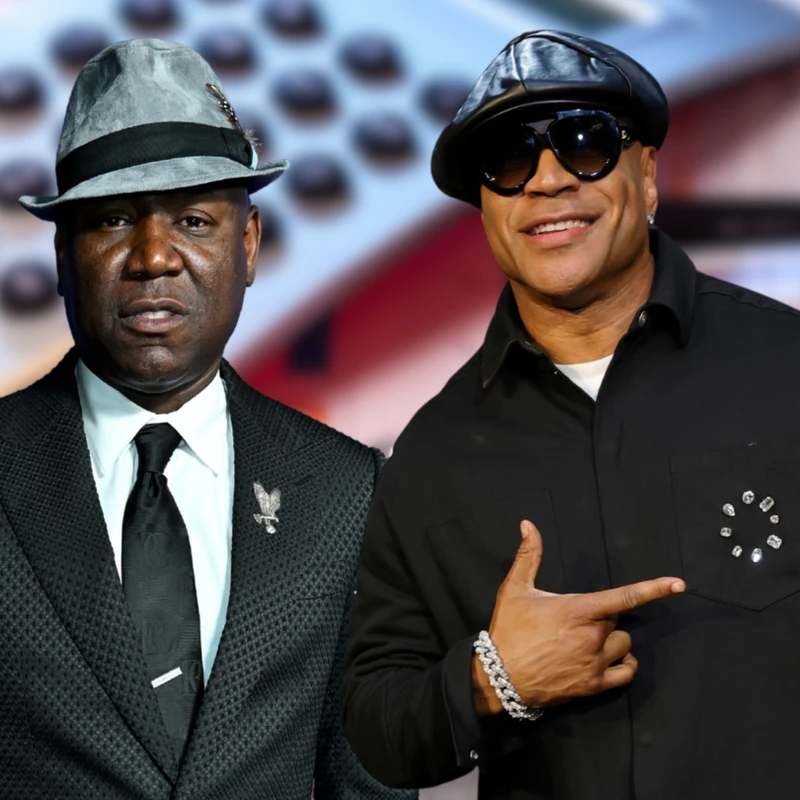
Two influential figures, one a titan of hip-hop and the other a champion of civil rights, are now uniting to tackle a critical issue: the wealth gap. Rap legend LL Cool J and renowned civil rights attorney Ben Crump have partnered to launch DreamFi, a fintech platform designed to provide essential financial tools to unbanked and underbanked Americans. Their core message? You don’t need to be rich to start building wealth.
Bridging the Financial Divide
DreamFi aims to empower everyday individuals, not just the elite. “It is not for the elites, it’s not for those who have all the money in the world. It is for that everyday person with $10, $20, $30, $40, all of that matters,” LL Cool J told TheGrio. This initiative directly addresses the persistent wealth gap that disproportionately affects communities of color, where limited access to traditional banking services leaves millions struggling.
According to recent FDIC data, millions of U.S. households remain unbanked or underbanked. For many in communities of color, this means relying on check-cashing services that charge exorbitant fees, sometimes up to 25% of their hard-earned money. Crump highlighted this reality, stating, “In most communities of color, we have the unbanked and the underbanked members of our community that are still out there in those check-cashing lines… because they don’t have bank accounts.”
Lessons from Family and Personal Experience
Both LL Cool J and Ben Crump draw inspiration from their family histories. LL Cool J recalls his grandfather, a hardworking man who pursued an engineering degree while juggling multiple jobs and fixing his own car. “I learned that dreams don’t have deadlines,” LL shared, reflecting on how his grandparents’ wisdom shaped his mindset. He imagines how different life might have been if they had access to modern financial services.
Crump echoed these sentiments, thinking about what his mother could have achieved with financial literacy. “God blessed me to be very successful… and what we have to do now is make room for other people at the table,” he stated. LL Cool J also admitted to making financial mistakes early in his career, buying lavish items instead of investing, which makes his partnership with DreamFi feel particularly natural and important.
DreamFi: Tools for Financial Freedom
DreamFi aims to bridge the educational gap, as studies show many Americans rarely learn basic financial concepts like budgeting in school. The platform offers a user-friendly app providing a debit card with direct deposit, credit monitoring, life insurance, affordable phone plans, roadside assistance, and crucial financial literacy tools. “You can have your money hit at 12 midnight, where you’re not having to wait in the check-cashing line,” Crump explained.
LL Cool J uses a swimming analogy to describe the progression DreamFi offers: “First, learn how to swim. One day, you may have the boat… Learn how to swim, then move to the life jacket, then move to the surfboard… there’s a progression that can take place here so that you can get your life together.”
A New Frontier in the Civil Rights Movement
For Ben Crump, DreamFi is more than a business; it’s an extension of the civil rights fight. He views economic access to capital and financial freedom as fundamental civil rights. “When you have financial freedom, it helps make all the other freedoms that much more obtainable,” he asserted. In a political climate where legislative solutions seem distant, Crump believes self-sustainability is key.
Both Crump and LL Cool J measure success not by revenue, but by the tangible impact on people’s lives—affording funerals, securing reliable transportation, and giving children a head start. LL emphasizes the importance of mindset over material wealth: “passing on a mentality” and “passing on financial literacy” to create generational wealth. “Dreams don’t have deadlines. Each one teach one,” LL concluded, embodying the spirit of community empowerment that DreamFi represents.
What are your thoughts on DreamFi’s mission? How can financial literacy be better promoted in underserved communities? Share your insights in the comments below!