Category: Celebrity Lifestyle and Entertainment

  • Tamra Judge Fires Back at Jennifer Lawrence

    Well, it looks like Jennifer Lawrence might have picked a fight she didn’t quite anticipate! The Oscar-winning actress recently made some rather pointed comments about the Real Housewives universe, specifically calling out Tamra Judge from ‘The Real Housewives of Orange County’ (RHOC) as ‘the most toxic of everybody.’ Ouch! But Tamra, a seasoned veteran of reality TV drama, isn’t one to back down easily.

    Jennifer Lawrence’s ‘Shady’ Comments

    The drama kicked off when Jennifer Lawrence, a self-proclaimed Housewives fan, shared her thoughts on who she believed was the most problematic cast member. She didn’t just stop at Tamra; she also speculated that Lisa Barlow from ‘The Real Housewives of Salt Lake City’ (RHOSLC) might be the source of leaks within the show. Lawrence even playfully suggested that she and Barlow should team up to run a secret fan account.

    Tamra Judge’s BravoCon Response

    These comments, as you can imagine, spread like wildfire through the Bravo fan community. By the time BravoCon rolled around, Tamra was well aware of Jennifer’s assessment. When approached by Access Hollywood on the bustling carpet, Tamra was asked about the actress’s opinion. Initially, she tried to keep her cool, stating, ‘I just think like, you don’t know me. I’m on a reality show and there’s a lot that you don’t know, and I’m sorry you feel that way.’

    Tamra then cleverly pointed to her long tenure on the show as proof of her success, adding, ‘I am one of the most successful Housewives on my cast, so I’m doing something right, Jennifer Lawrence.’ It was a subtle but effective jab, highlighting her longevity and popularity.

    Turning the Tables

    The interview took a more pointed turn when the interviewer mentioned Tamra’s support for her friend Teddi Mellencamp, who is bravely battling stage 4 brain cancer. This seemed to give Tamra the perfect opening to deliver a direct message back to Jennifer Lawrence. With a sharp wit, Tamra quipped, ‘Tell Jennifer Lawrence that. Is that toxic, Jennifer Lawrence? You’re f–king toxic.’

    It seems Jennifer Lawrence’s attempt to weigh in on the Housewives drama has sparked a response from one of its most enduring stars. Tamra Judge has certainly made it clear that she’s not afraid to defend herself, even against Hollywood royalty. This is definitely a feud worth keeping an eye on!

    What do you think about Jennifer Lawrence’s comments and Tamra Judge’s response? Let us know in the comments below!

  • Michael Jackson’s Top 6 Streaming Hits

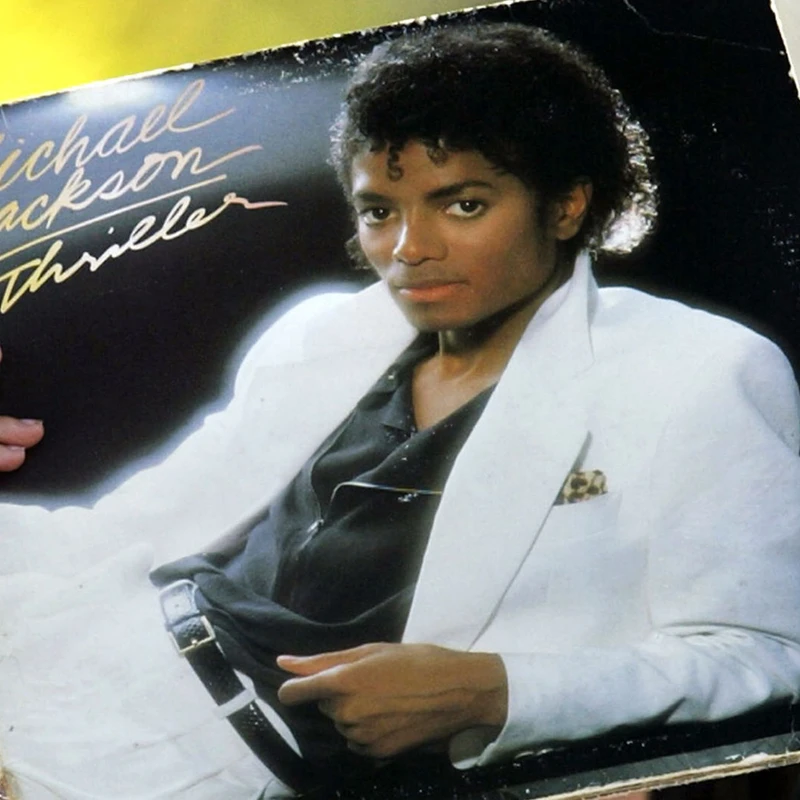
    With the buzz around the newly released trailer for the Michael Jackson biopic, ‘Michael,’ fans are diving back into the King of Pop’s legendary music catalog. It’s a powerful reminder that MJ’s artistry transcended music, blending it seamlessly with film and pure spectacle. Even decades later, his iconic songs and music videos continue to dominate streaming platforms, proving his enduring global appeal.

    The Enduring Power of MJ’s Music Videos

    Michael Jackson wasn’t just a singer; he was a visual storyteller. His music videos were cinematic events that captivated audiences worldwide. Today, YouTube serves as a testament to this legacy, with millions of fans revisiting his classics. BLACK ENTERPRISE took a look at the numbers to see which of his most iconic tracks are still commanding the biggest digital audiences.

    1. Billie Jean (1982) – Approx. 1.96 Billion Views

    The unforgettable bassline and the iconic moonwalk tease in the ‘Billie Jean’ video propelled it to legendary status. This 1982 hit officially surpassed 1 billion views on YouTube by June 2021, making it MJ’s most-viewed video to date.

    2. Beat It (1983) – Approx. 1.23 Billion Views

    This genre-blending anthem mixed pop and rock, featuring a star-studded video with a young Wesley Snipes. The official 4K version of ‘Beat It’ has crossed the billion-view mark, securing its spot as the second highest-streaming MJ video.

    3. They Don’t Care About Us (Brazil Version) (1995) – Approx. 1.22 Billion Views

    Directed by Spike Lee and filmed in Brazil, this socially conscious track resonated deeply with audiences. The powerful video for ‘They Don’t Care About Us’ surpassed one billion YouTube views in April 2023, holding strong as the third most-viewed video.

    4. Smooth Criminal (1987) – Approx. 1.12 Billion Views

    Featuring the signature ‘lean,’ the music video segment from the film ‘Moonwalker’ extended the magic of ‘Smooth Criminal.’ In October 2024, the official video crossed the 1 billion view milestone, making it the fourth most-streamed on MJ’s YouTube/Vevo channel.

    5. Thriller (1983) – Approx. 1 Billion Views

    The legendary, short-film style video for ‘Thriller’ redefined music videos. It officially surpassed 1 billion YouTube views on September 19, 2024, rounding out the top five most-streamed videos on his official channel.

    6. Bad (Shortened Version) (1987) – 522 Million Views

    The title track from the 1987 album, ‘Bad,’ also remains incredibly popular. While this shortened version for YouTube has garnered 522 million views, it still stands as a testament to the widespread appeal of Jackson’s music.

    These numbers clearly show that Michael Jackson’s music and visual artistry continue to resonate deeply with audiences worldwide. His influence is undeniable, and his songs remain timeless anthems.

    Which Michael Jackson song is your all-time favorite? Let us know in the comments below!

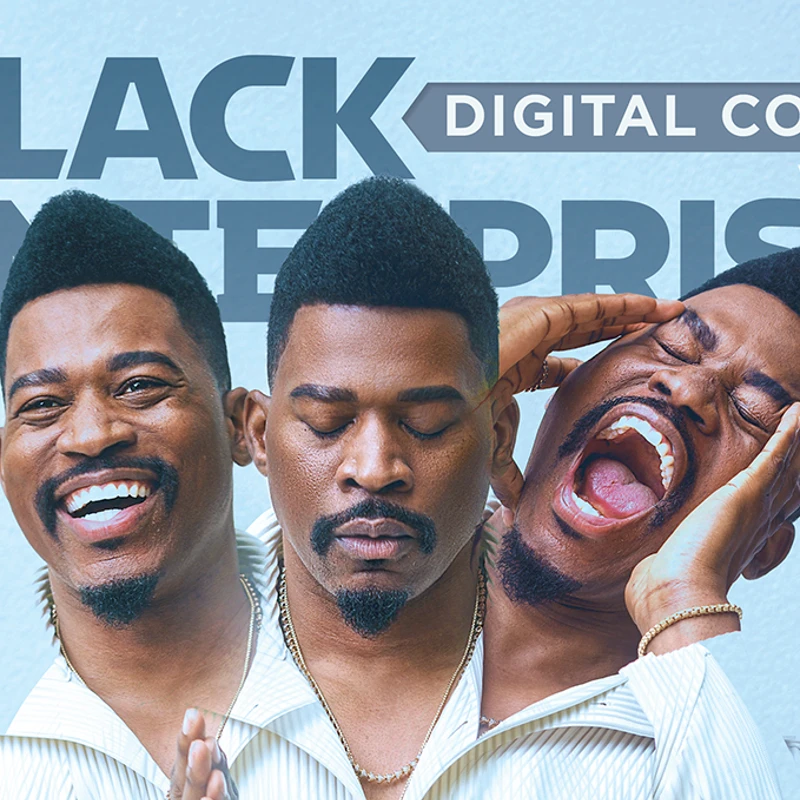
  • David Banner: Finding Sanctuary in Stillness

    Lavell William Crump, known globally as David Banner, is more than just a platinum-selling producer and rapper. He’s a CEO, a futurist, and a cultural critic who has intentionally carved out a legacy focused on systemic change and economic self-determination, often years ahead of the mainstream conversation. His influence stretches from shaping the Southern hip-hop sound to advocating for mental wellness and building crucial infrastructure for Black creators.

    From Southern Sound Architect to Industry Critic

    Banner’s career began not with immediate solo fame, but with the duo Crooked Lettaz in the late 1990s, where he cultivated a raw, regional sound that challenged coastal hip-hop dominance. This foundation paved the way for an explosive solo career, bringing the South’s distinctive, bass-heavy production to national charts. As a producer, he crafted hits like T.I.’s ‘Rubber Band Man’ and his own politically charged club anthems, proving his ability to manipulate the market while moving culture.

    His ambition extended to acting, with roles in films like ‘Black Snake Moan’ and the series ‘P-Valley,’ showcasing a versatility that broadened his influence into cinematic storytelling.

    The Toll of the Grind and a Mental Health Awakening

    The relentless demands of the entertainment industry—endless studio sessions, tours, and building ventures like Banner Vision—eventually took a severe toll. Banner experienced significant physical health issues, including chronic fatigue and dramatic weight fluctuations, stemming from the unyielding stress of his creative and corporate pursuits. This period of turmoil led to what he calls a fundamental awakening, forcing him to confront the industry’s systemic neglect of self-care.

    Crucially, Banner became one of the first major hip-hop figures to openly discuss his struggles with clinical depression and anxiety. He used his platform to dismantle the stigma surrounding mental health in the Black community and the music industry, describing the industry’s demands as a form of ‘spiritual and psychological warfare.’

    The Shift to Radical Self-Preservation

    Banner realized his most significant struggle was not with industry politics, but with his own internal equilibrium. To continue his work in advocacy and production, he needed to find a path to sustained wellness. This shift from external battles to radical self-preservation meant redefining his relationship with visibility and success.

    He began championing stillness and Transcendental Meditation (TM) not as mere spiritual luxuries, but as critical tools for survival. Banner believes that true genius and creative ‘downloads’—the kind sought by artists like Michael Jackson and Prince—are obscured by the world’s ‘noisy’ spirituality. He posits that effective leadership starts with saving oneself first, being a ‘constant example’ rather than a distant guru.

    The Doctrine of Self-Worship and Discernment

    This philosophy of self-salvation is tied to self-worth, a lesson learned from a provocative question by his therapist: ‘You’re Black. Why don’t you treat you the way that you want to see Black people treated?’ This realization mandated a revolution in self-treatment, viewing personal opulence not just as a flex, but as a necessary standard of value.

    Banner emphasizes the intensely personal nature of his path, guided by ‘discernment.’ He believes his unique calling may not be understood by others, and his job is to filter what is good and relevant for his journey. He draws parallels to biblical figures like David, whose paths were rarely linear, reminding us that artists and revolutionaries often walk unconventional roads.

    The Anti-Savior Doctrine and Building Future Systems

    Banner has let go of the ‘savior complex,’ realizing, ‘I ain’t Jesus. That ain’t my place.’ He believes that trying to save everyone can lead to depression and that our role is to ‘give the word,’ even if the message isn’t for today’s generation. He draws inspiration from artists like Basquiat, who were ahead of their time.

    His future vision is rooted in sci-fi, seeing it as preparation for a future where Black people are integral. Through his company, Banner Vision, he aims to build generational systems in publishing, music, and technology. He emphasizes the importance of a strong team whose dreams align with the work, allowing him the freedom to step away and receive ‘downloads’ without the company stalling.

    Opulence as Vibration, Revolution in Systems

    Banner defines opulence not by financial figures, but by protected energy and clarity of purpose. The ‘quiet money’ he accumulates provides the independence to define his own standards. He believes the real revolution lies in building systems that transcend decades, like those seen in colonization and religion. Instead of fighting ‘the man,’ the focus is on establishing robust systems in publishing and music and ensuring Black people are paid fairly.

    What are your thoughts on David Banner’s philosophy of self-preservation and building systems? Share your insights in the comments below!