When public figures become parents, the spotlight often shifts from their professional achievements to their bodies, schedules, and perceived suitability for motherhood. For Black women in the public eye, this scrutiny is amplified by historical stereotypes and the relentless cycle of social media, creating unrealistic postpartum standards and intense pressure.
Career Timelines vs. Motherhood Milestones
Victoria Monét shared a poignant moment from early in her pregnancy, recalling a team member presenting a PowerPoint arguing against having a child at that time, framing it as a career setback. This highlights the immense pressure artists face, often feeling an unspoken ultimatum: prioritize career momentum or risk being perceived as less committed. Monét’s experience underscores how conversations about family planning in entertainment can quickly turn from support to risk management, often overlooking the emotional, physical, and logistical realities of new motherhood.
The Rush to Judge Black Women’s Postpartum Journeys
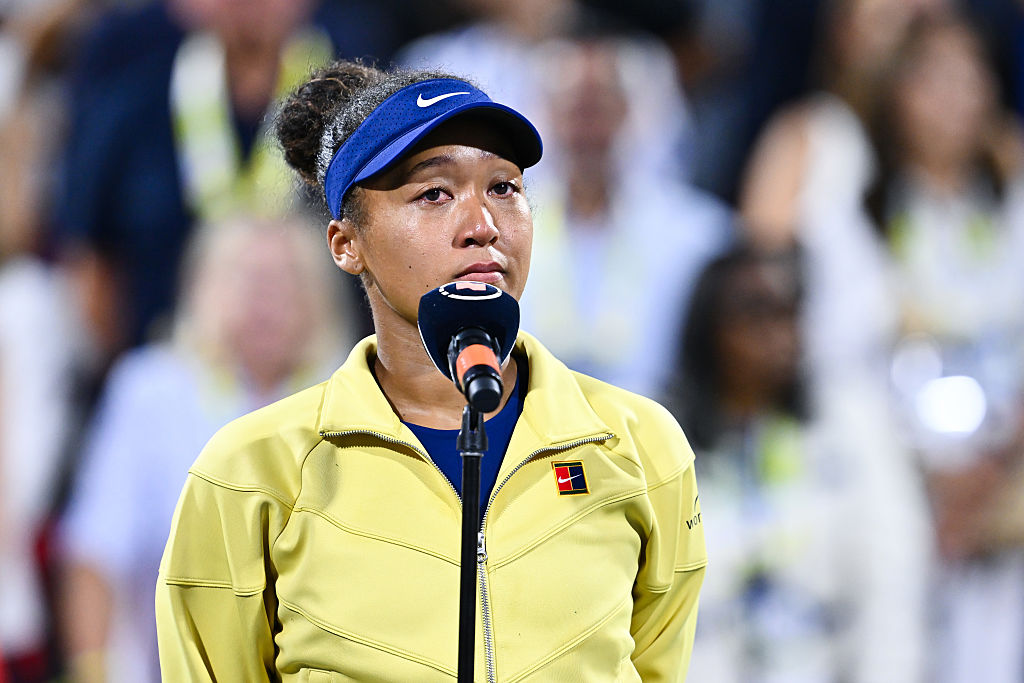
Naomi Osaka’s return to tennis after giving birth in 2023 provides another stark example. After reaching her first major final since her return, Osaka faced criticism for a brief post-match speech that initially omitted acknowledging her opponent. While she quickly apologized, the commentary fixated on her “sportsmanship,” overlooking the immense context: she was competing at the highest level while navigating physical recovery, mental recalibration, and the new pressures of motherhood. For Black women, this balance often comes with less room for error, making moments like Osaka’s more visible and subject to harsher judgment.
Weaponizing Postpartum Mental Health
Halle Bailey’s custody battle with ex-partner DDG offers a notable instance of postpartum mental health being weaponized. Bailey alleged abuse during and after her pregnancy, pushing her to her “wits’ end” as a new mother. DDG later filed documents claiming Bailey posed a “serious psychological risk,” citing her mental health history. Bailey countered, stating her struggles were “exaggerated, lied [about] and misconstrued,” and that much of her distress stemmed from the abuse she endured during a vulnerable postpartum period.
Postpartum mental health challenges, common due to hormonal changes and the emotional toll of new motherhood, can be unfairly reframed in custody disputes as instability rather than a natural part of recovery. This, coupled with public perception and fan support for either party, can leave celebrity mothers feeling unsupported. When a woman’s vulnerable moments are isolated and presented as character flaws, it not only undermines her credibility but also reinforces stigmas that discourage Black women from seeking or discussing mental health support.
The Underlying Issue: Unrealistic Expectations
These stories reveal a persistent reality for Black mothers in the public eye: they face intensified scrutiny that often ignores the complexities of postpartum life. The expectation is not just to return, but to do so quickly, flawlessly, and without visible strain, as if childbirth and recovery were minor inconveniences. In industries like entertainment and sports, where visibility and performance are paramount, any perceived weakness or error can be interpreted as diminished value.
When postpartum mental health is weaponized, it strips the experience of its context and questions a mother’s capability, often when her mental state is a direct result of external pressures or mistreatment. The examples of careers questioned before birth, public images undermined by brief lapses, and credibility attacked in legal battles are not isolated incidents but reflections of a system lacking grace. Black mothers, already battling racialized stereotypes about strength and endurance, are given even less room for humanity.
Moving Towards Constructive Accountability
The entertainment and sports industries can implement concrete changes to reduce these pressures. Teams and labels can integrate family planning into contracts and schedules. Executives and managers need training on discussing pregnancy impacts without framing it as a career delay. Newsrooms and social media teams should adopt standards that contextualize postpartum timelines and avoid sensationalizing disclosures from legal filings.
While health organizations advocate for better postpartum models, industry practices must align. Public conversation also plays a crucial role; when fans and commentators focus on corrections and matches rather than sensationalizing personal struggles, they help reset norms. The goal isn’t to shield public figures from critique but to align expectations with postpartum realities and apply those expectations equitably.
What steps do you think the entertainment and sports industries can take to better support new mothers? How can the public contribute to a more understanding environment? Share your thoughts in the comments below!