Category: Business and Social Issues

  • Michael Jordan Testifies in NASCAR Antitrust Trial

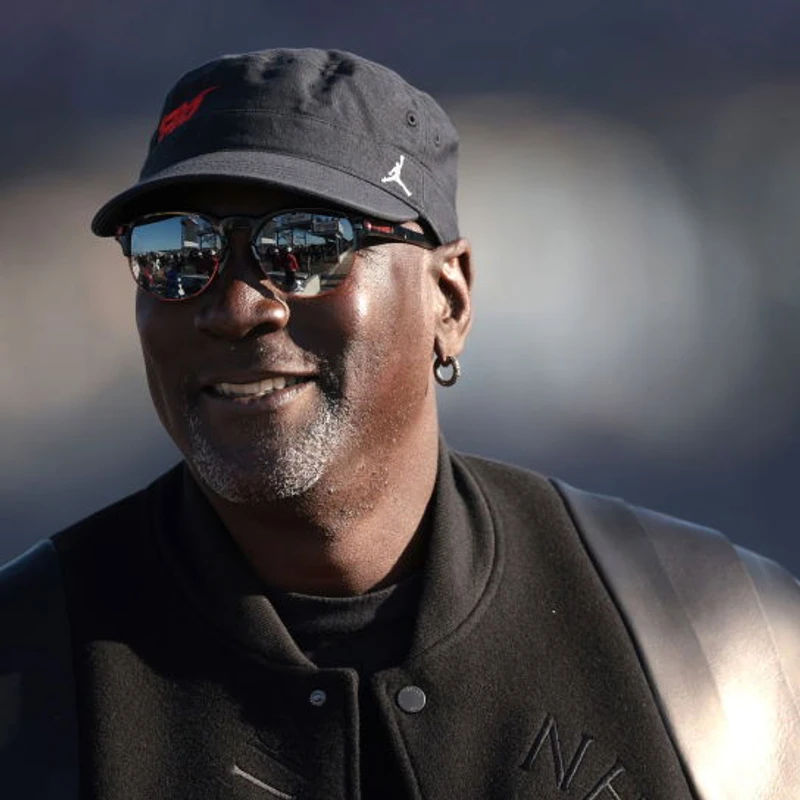
    Forget the basketball court for a moment; Michael Jordan is now stepping into the courtroom as a NASCAR team owner! The legendary athlete recently took the stand in a crucial antitrust trial, advocating for what he believes is fair treatment and economic stability for race teams within the sport. It’s a high-stakes battle, and MJ is making his voice heard.

    Jordan’s Passion for Motorsports

    Jordan, who co-owns the 23XI Racing team with Denny Hamlin, isn’t just a casual investor. He shared his lifelong passion for motorsports, dating back to childhood trips to Talladega Superspeedway. He emphasized that he never misses a race and attends up to a dozen events annually, showing his deep commitment to the sport beyond just business.

    His testimony focused on the breakdown of recent charter negotiations. Jordan explained that team owners have felt “browbeaten” for years while seeking structural changes, including permanent charters and better revenue terms. Unfortunately, he stated, these key priorities haven’t been addressed meaningfully by NASCAR.

    Fighting for Partnership and Stability

    Jordan made it clear he wasn’t afraid to take legal action. He testified that he’s invested a significant $35 to $40 million into 23XI Racing since its launch in 2020. This includes a substantial $28 million investment in a charter that has since expired because the team refused to accept an unacceptable deal.

    He specifically rejected provisions that would block antitrust challenges and a take-it-or-leave-it approach, arguing that such terms undermine teams’ ability to operate sustainably. Jordan’s ultimate goal? A business model where teams and NASCAR grow together, fostering a true partnership that enhances the value of the entire enterprise.

    A United Front for Team Owners

    It wasn’t just Jordan speaking out. He acknowledged that 23XI had discussions with other teams regarding the charter terms. The aim wasn’t personal gain, but to ensure all owners understood the lopsided economics at play. Following Jordan’s testimony, Race Team Association executive director Jonathan Marshall presented financial models highlighting how NASCAR teams lag behind franchises in major leagues like the NBA, NFL, MLB, and MLS.

    NASCAR president Steve O’Donnell and Joe Gibbs Racing co-owner Heather Gibbs also testified earlier in the trial, which began on December 1st and is expected to last for about three weeks. This legal challenge represents a significant moment for the future of team ownership and economic fairness in NASCAR.

    What do you think about Michael Jordan’s involvement in this NASCAR antitrust trial? Do you believe his fight for fair treatment will change the sport? Share your thoughts in the comments!

  • Texas Scraps HUB Program for Veteran Focus

    In a significant and sudden shift, Texas has completely overhauled its state contracting system, effectively dismantling support for women and minority-owned businesses. A decades-old program designed to level the playing field has been rebranded and restricted, now exclusively benefiting service-disabled veterans. This move has left thousands of entrepreneurs scrambling to understand the new landscape.

    The End of the HUB Program

    The Texas Comptroller’s office announced on December 2nd that the Historically Underutilized Business (HUB) program is no more. Created by lawmakers to provide a crucial boost to disadvantaged businesses seeking state contracts, the program will no longer consider race, ethnicity, or sex as qualifying factors. This marks a dramatic departure from a system that has been in place for decades.

    The initiative is being replaced by a new program called Veteran Heroes United in Business (VetHUB). This new program will be exclusively for veterans who have at least a 20% service-connected disability. The changes took effect immediately through emergency rules, meaning the impact was felt overnight by many business owners who relied on the HUB certification.

    Impact on Certified Businesses

    Under the new VetHUB rules, any existing HUB certifications tied to an owner’s gender, race, or ethnicity have been revoked. Vendors received emails confirming the cancellation of their certifications and their removal from the state’s HUB directory. While ongoing contracts will remain unaffected, securing new or renewed certifications based on these previous criteria is now impossible.

    This drastic change narrows the scope of a program that, while never setting quotas, did establish participation goals that many state agencies strived to meet. These goals provided vital visibility and competitive opportunities for certified businesses. Now, thousands of entrepreneurs are losing that established foothold.

    Comptroller’s Justification

    Comptroller Kelly Hancock defended the decision, framing it as both a constitutional correction and a way to honor veterans. ‘Our nation’s veterans have always stepped up for us. VetHUB is Texas’ way of stepping up for them — cutting red tape, restoring constitutional integrity and opening doors for the men and women who wore our nation’s uniform,’ Hancock stated. He added that the emergency rules aim to ensure Texas’ state contracting is ‘free from gender or race discrimination.’

    This overhaul follows a freeze on new and renewed HUB certifications that began in late October. At that time, officials cited a need to review compliance with executive orders from President Donald Trump and Governor Greg Abbott, which prohibited diversity, equity, and inclusion (DEI) efforts in government. Hancock had previously indicated the pause was intended to end ‘race or sex quotas’ in state procurement.

    Legal Questions Remain

    The unilateral nature of this overhaul raises questions about its legal standing. The original HUB program was established by state statute, typically meaning significant policy changes require legislative action or a court ruling. The agency has not publicly detailed the authority it is using to bypass this standard process. As thousands of entrepreneurs navigate this sudden shift, the legal implications of Texas’s new contracting landscape are likely just beginning to unfold.

    What are your thoughts on Texas’s decision to replace the HUB program with VetHUB? How do you think this will impact small businesses in the state? Share your views in the comments below!

  • Free Park Days Drop MLK, Juneteenth for Trump’s Birthday

    Get ready for a shake-up in how we access our national parks! The Department of the Interior has announced its 2026 schedule for “resident-only patriotic fee-free days,” and the changes are raising some eyebrows. It seems two significant holidays honoring Black history have been removed, while a date tied to a former president has been added.

    Key Holidays Removed, Controversial Date Added

    In a move that’s being called a “bad joke,” MLK Day and Juneteenth have been completely dropped from the list of free park days. These holidays hold immense historical and cultural significance, particularly for the Black community. In their place, the department has included President’s Day and Flag Day.

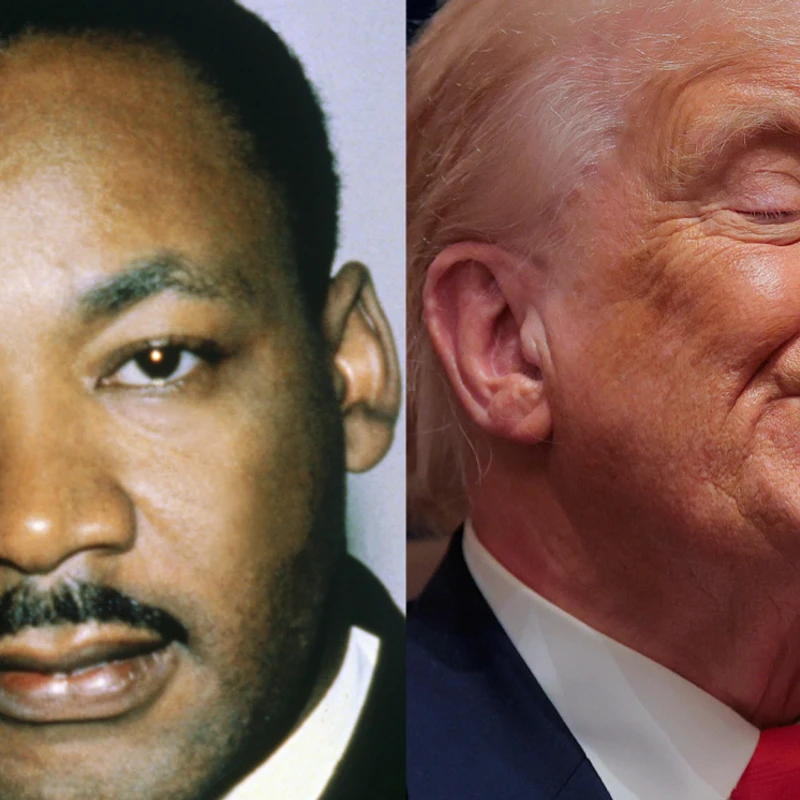
    Here’s the kicker: Flag Day, June 14, 2026, also happens to be Donald Trump’s birthday. This substitution has led many to question the motivations behind the change, especially given the stated goal of making access “affordable.”

    Fee Increases and Justifications

    The announcement claims these changes are aimed at making park access more affordable for U.S. residents while ensuring international visitors contribute more. However, the new fee structure tells a different story. Starting January 1, 2026, the Annual Pass remains $80 for residents, but nonresidents will face a hefty $250 fee.

    For those without a pass, entering one of the 11 most popular parks could cost an additional $100 per person on top of the regular entry fee. The department insists these revenue shifts will fund “upgrades to visitor facilities, essential maintenance, and improved services nationwide.” Secretary of the Interior Doug Burgum defended the decision, stating, “President Trump’s leadership always puts American families first.”

    The Full List of 2026 Fee-Free Days

    • President’s Day – February 16, 2026
    • Memorial Day – May 25, 2026
    • Flag Day / President Trump’s Birthday – June 14, 2026
    • Independence Day Weekend – July 3–5, 2026
    • 110th Birthday of the National Park Service – August 25, 2026
    • Constitution Day – September 17, 2026
    • Theodore Roosevelt’s Birthday – October 27, 2026
    • Veterans Day – November 11, 2026

    While the financial implications are significant, many are focusing on the symbolic message sent by removing MLK Day and Juneteenth while highlighting Trump’s birthday. The decision has undoubtedly sparked a conversation about priorities and representation within the management of national treasures.

    What are your thoughts on the removal of MLK Day and Juneteenth from the free park days list? Do you think adding Trump’s birthday is appropriate? Let us know in the comments!

  • Black Businesses Thrive in Orange County

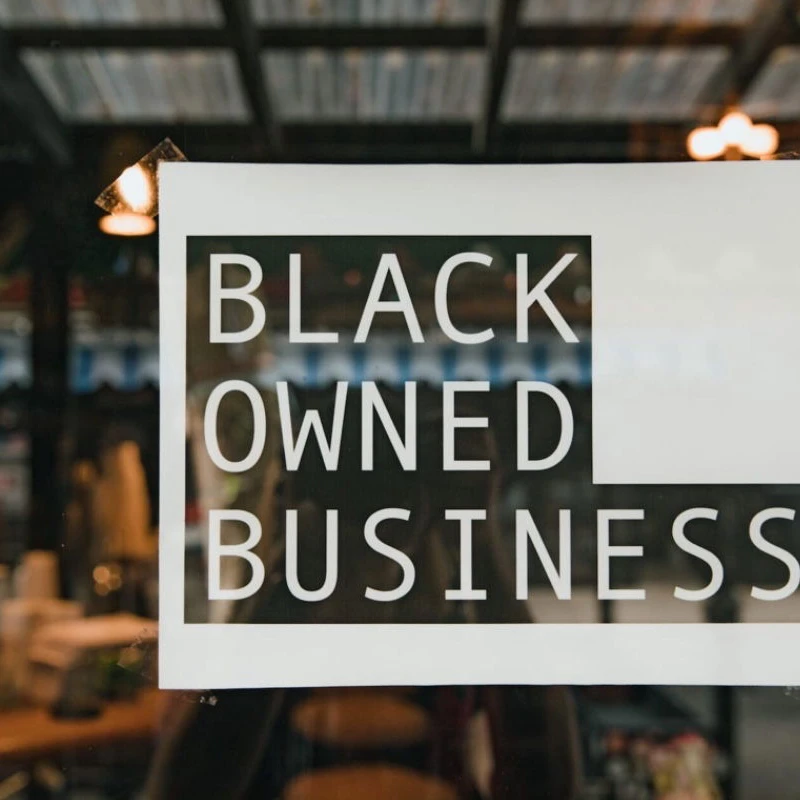
    In the heart of Southern California’s Orange County, a region not traditionally known for its Black population, a powerful narrative of entrepreneurial success is unfolding. Despite Black residents making up a small fraction of the population (around 1.7%), a growing number of Black-owned businesses are not just surviving but thriving, pioneering new spaces and earning strong community support.

    Lynda’s African Delicacies: A Taste of Home

    One shining example is Lynda’s African Delicacies, an African restaurant in Irvine that consistently draws long lines. Founded by Nigerian native Linda Umaru, the business has seen remarkable growth. Umaru initially started a hair-braiding and beauty business after moving to Irvine in 2005. As she cooked meals for her clients, she discovered a demand for her authentic African cuisine.

    What began as a small operation has expanded into a 5,000-square-foot braiding salon and beauty supply store, with the restaurant, which started as a food truck in 2019, now a brick-and-mortar location. Umaru notes the overwhelming community response, stating, “The food is bigger than the hair salon.” She emphasizes that people from all backgrounds in Orange County love her food, which uses authentic Nigerian ingredients and cooking methods. The success highlights how offering unique cultural experiences can resonate deeply with the local community.

    The Role of the Black Chamber of Orange County

    The visibility and success of these Black-owned businesses are significantly boosted by the work of the Black Chamber of Orange County. For over 40 years, this organization has been a crucial advocate for businesses, education, and veterans across diverse communities. Their motto, “Access to information,” underscores their commitment to helping ethnic communities improve, enhance, and grow their businesses.

    The Chamber, which previously had its office in Irvine, continues to champion the diversification of the county’s business landscape, serving as a vital resource for aspiring Black entrepreneurs. Their efforts are instrumental in creating an environment where Black-owned ventures can flourish.

    Georgia’s Restaurant: Soul Food Success

    Georgia’s Restaurant, the sole soul food establishment at the popular Irvine Spectrum Center, is another testament to this growing trend. Founded by Gretchen Shoemaker, the restaurant honors her grandmother’s cooking traditions, serving up classics like crispy fried chicken, jambalaya, gumbo, and cornbread. With four Southern California locations, Georgia’s presence in Irvine and Anaheim signifies the expanding footprint of Black-owned businesses and the community’s embrace of them.

    McClain Cellars: Pioneering Wine Culture

    Making history as the only Black-owned wine cellar in Orange County, McClain Cellars is the brainchild of Jason and Sofia McClain. After two decades in tech, Jason sought a more personal venture, leading him and Sofia to craft exceptional wines. They chose Irvine as their headquarters for its unique business environment and corporate culture, seeing an opportunity to introduce a new luxury experience.

    McClain Cellars offers award-winning wines, a premier tasting room, and a unique wine-blending experience. Jason emphasizes the community’s welcoming reception: “People have embraced the concept of having a winery tasting room and event space right here in Irvine.” Their success, particularly with their “Black Heroes Collection” honoring African American icons, demonstrates how diverse businesses can build bridges and bring communities together.

    • Black-owned businesses are thriving in Orange County, CA, despite low Black population numbers.
    • Lynda’s African Delicacies, founded by Linda Umaru, offers authentic Nigerian cuisine and beauty services.
    • The Black Chamber of Orange County plays a vital role in supporting and advocating for these businesses.
    • Georgia’s Restaurant brings popular soul food to the Irvine Spectrum Center.
    • McClain Cellars is the county’s only Black-owned wine cellar, celebrating community and craftsmanship.

    The thriving businesses of Lynda’s African Delicacies, Georgia’s Restaurant, and McClain Cellars, supported by organizations like the Black Chamber of Orange County, showcase a powerful trend: when given space and community backing, diverse entrepreneurs can achieve remarkable success and enrich the local business landscape.

    Have you visited any of these Black-owned businesses in Orange County? What other pioneering Black entrepreneurs are making waves in your community? Share your experiences and thoughts in the comments below!