Category: Business and Economic News

  • Spirit Airlines Ceases Operations After Bailout Fails

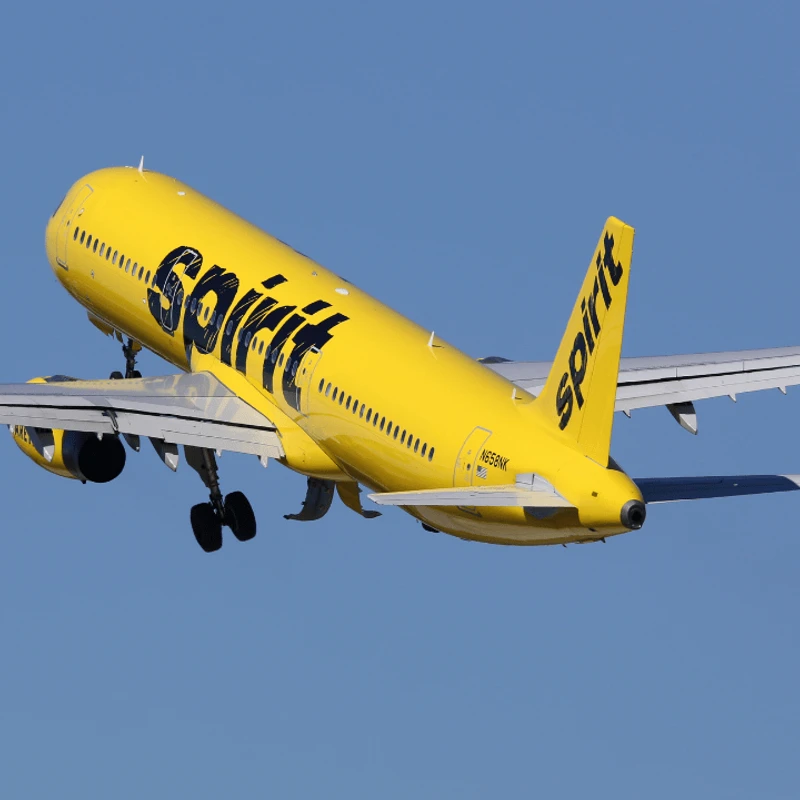
    Well, this is a tough one for travelers. Spirit Airlines, a budget carrier known for its low fares, has officially grounded all its flights and shut down its operations. This abrupt closure comes after a crucial $500 million government bailout deal failed to materialize, according to reports from the Wall Street Journal.

    An Immediate End to Operations

    The airline announced the devastating news via Instagram, stating, “It is with great disappointment that Spirit Airlines has started winding down its global operations, effective immediately.” This means all flights are cancelled, and customer service lines are no longer active. It’s a sudden and significant disruption for anyone who had booked a trip with the airline.

    For passengers with existing bookings, the news isn’t much better. Spirit has stated they are unable to rebook customers on other airlines. Instead, they will be automatically processing refunds for all flights purchased with a credit or debit card, returning the funds to the original payment method.

    A Long Struggle for Survival

    Spirit Airlines has been facing significant financial challenges for quite some time. The company had been actively seeking financial assistance, including reaching out to the Trump administration for a bailout. Even former President Trump acknowledged the airline’s plight in a CNBC interview on April 21, expressing a desire for someone to buy Spirit and suggesting potential government aid due to the 14,000 jobs at stake.

    Despite these efforts, neither bondholders nor the government ultimately provided the necessary financial backing to keep the airline afloat. After 33 years serving travelers with its ultra-low-cost model, Spirit Airlines has officially ceased to exist.

    We are proud of the impact of our ultra-low-cost model on the industry for the last 33 years and had hoped to serve our Guests for many years to come. — Spirit Airlines Statement

    Were you affected by the Spirit Airlines shutdown? Share your experience and thoughts on the airline’s closure in the comments below!


  • Small Businesses Struggle Under Trump Policies

    It’s a tough time for many small business owners. They’re finding themselves footing the bill for rising costs directly linked to President Trump’s economic policies, particularly tariffs and increased fuel prices. These aren’t just minor inconveniences; they’re significantly impacting the bottom line and the ability to keep operations running smoothly.

    The Impact of Tariffs and Fuel Costs

    Business owners who import goods, especially from countries like China and India, are facing substantial tax increases. One Georgia business owner, Travis Reid, explained that these tariffs have averaged around 20%, and at times last year, they spiked as high as 50% on certain items. This added expense makes it much harder to maintain competitive pricing.

    Compounding the issue are persistently high fuel costs, exacerbated by the ongoing conflict with Iran. With gas prices averaging over $4 a gallon – a significant jump from the previous year – the cost of transporting goods across the supply chain has skyrocketed. This means owners and retailers often absorb the initial financial hit before eventually passing the increased costs onto consumers.

    Official Recognition and Future Outlook

    Even Trump administration officials acknowledge these challenges. Small Business Administration Administrator Kelly Loeffler has recognized that tariffs and higher fuel costs have negatively impacted entrepreneurs. While promoting legislation like the ‘One Big Beautiful Bill’ Act, she assured that current ‘headwinds’ would eventually give way to better economic conditions.

    Loeffler suggested that certain policies are designed to ultimately increase profits for business owners. However, for many on the ground, the immediate reality is one of struggle and increased operational expenses. The promise of future economic improvement offers little solace to those currently navigating these significant financial hurdles.

    The struggles faced by small businesses under current economic policies are a critical issue. What are your thoughts on the impact of tariffs and fuel costs on entrepreneurs? Share your experiences and opinions in the comments below!

  • Raising a Child Now Costs Over $300K in the U.S.

    Thinking about starting or growing your family? You might want to brace yourself for the financial reality. A recent study has revealed that the cost of raising a child in the United States has now climbed to over $300,000, a significant milestone that puts immense strain on American budgets.

    The $300,000 Milestone

    According to a new estimate from LendingTree, the total cost to raise a child to age 18 now stands at approximately $303,418. This breaks down to about $16,857 per year. This figure marks the first time the cost has surpassed the $300,000 mark and represents a roughly 2% increase from the previous year. The estimate is based on typical expenses for a couple earning the U.S. median household income of around $100,000, factoring in tax benefits.

    Matt Schulz, LendingTree’s chief consumer finance analyst, highlighted the pressure this places on families, stating, ‘The cost of raising a child for 18 years has climbed to more than $300,000, and that steady rise puts tremendous strain on Americans’ budgets.’

    College Costs Add Even More

    And that $300,000 figure? It doesn’t even include college expenses! With average annual tuition around $38,000, sending a child to college could add an additional $152,000 to the overall cost. This staggering sum underscores the long-term financial planning required for parenthood.

    The findings come at a time when rising living costs are already stretching families thin. A recent poll indicated that 77% of respondents feel it’s harder to raise children today compared to previous generations. Many parents admit they were unprepared for these expenses, with some even going into debt to cover costs like childcare.

    Where Costs Are Rising Fastest and Signs of Relief

    The report also points out that expenses have jumped significantly in states like Alaska, Kansas, and Montana, seeing increases of over 20% year-over-year. Hawaii leads the pack as the most expensive state, with projected costs reaching a daunting $412,661, followed by Maryland and Massachusetts. However, there are glimmers of hope. Some child-related expenses, like infant care, have seen a slight decrease, and the average cost for the first five years of a child’s life has dipped slightly.

    Furthermore, new initiatives like New Mexico’s universal, no-cost childcare program and New York City’s proposed free childcare for toddlers could help ease future costs. The impact of these programs will be closely watched in upcoming data.

    The rising cost of raising children is a major concern for many families. What strategies are you using to manage these expenses? Share your tips and thoughts in the comments below!

  • IBM Settles DEI Lawsuit for $17M

    International Business Machines Corp. (IBM) has agreed to pay $17 million to the United States to settle a lawsuit that accused the tech giant of promoting diversity, equity, and inclusion (DEI) policies in a way that allegedly violated federal anti-discrimination laws in its contracts. This settlement marks a significant development, being the first resolution under the Department of Justice’s Civil Rights Fraud Initiative.

    Allegations of Discriminatory DEI Practices

    The core of the government’s accusation was that IBM allegedly considered factors like race, color, national origin, and sex when making employment decisions. This reportedly included using a ‘diversity modifier’ that tied employee bonuses to demographic targets. The lawsuit also claimed that IBM implemented practices like ‘diverse interview slates’ to influence hiring, transfers, and promotions.

    Further allegations suggested that the company set demographic goals for various business units, factoring these targets into employment decisions. Additionally, the government claimed that IBM limited certain training programs, partnerships, mentoring, and leadership development opportunities to specific employee groups, rather than making them available based on merit.

    Cooperation and Corrective Actions

    As part of the settlement, the government acknowledged IBM’s cooperation with the investigation. The company reportedly provided early disclosure of findings from its internal review and took voluntary corrective steps. These actions included modifying or ending some of the programs and practices that were under scrutiny.

    Deputy Assistant Attorney General Brenna E. Jenny emphasized the principle of meritocracy, stating, ‘The Nation’s anti-discrimination laws are clear and reflect our basic commitment that opportunity, compensation, and advancement should turn on merit and performance, and not immutable characteristics.’ She added that companies receiving federal funding must adhere to these principles.

    The Broader Context of DEI Scrutiny

    This case occurs within a broader context of increased scrutiny on DEI initiatives, particularly following actions taken by the Trump administration. Since returning to office in January 2025, President Trump has signed executive orders targeting DEI efforts, leading to changes across federal agencies and a scaling back of such programs by major corporations, including those in tech, finance, and retail.

    The settlement with IBM could signal how the Justice Department intends to enforce anti-discrimination laws in federal contracts moving forward. Associate Attorney General Stanley Woodward stated that the settlement reflects the department’s commitment to ensuring that taxpayer-funded work is not used to promote ‘woke unconstitutional practices.’

    IBM’s settlement raises important questions about the implementation of DEI initiatives within federal contracts. What are your thoughts on the balance between promoting diversity and adhering to anti-discrimination laws? Share your views in the comments below!

  • Amazon Invests $25B in Mississippi Data Centers

    Get ready, Mississippi! Amazon is making a massive commitment to the state, announcing a staggering $25 billion investment in its data center operations. This isn’t just about building facilities; it’s about creating high-skilled jobs and boosting the local economy for years to come.

    Boosting Mississippi’s Tech Landscape

    This substantial investment is set to create approximately 2,000 high-skilled roles within Amazon’s data centers. These facilities are crucial for powering advanced cloud computing services that support vital sectors like healthcare and agriculture. In Madison County alone, Amazon plans to invest an additional $11 billion, engaging over 75 local Mississippi companies for construction and operational roles.

    Governor Tate Reeves hailed the investment as a sign of Mississippi’s readiness for business, stating, ‘Amazon isn’t just reinvesting in Mississippi — the company is once again betting on our people.’ He emphasized the high-tech, high-paying opportunities this brings, calling it ‘transformational economic growth.’

    Enhancing Energy and Sustainability

    Beyond job creation, Amazon’s commitment extends to improving the state’s energy infrastructure. The $25 billion will support Entergy Mississippi’s ‘Superpower Mississippi’ initiative, aiming for a $300 million upgrade to the state’s energy grid at no direct cost to customers. This initiative promises a 50% increase in reliability and a 50% reduction in outages.

    Furthermore, Amazon is investing in five renewable energy projects across Mississippi, including solar and wind farms. These projects are expected to generate enough carbon-free energy to power 152,000 homes, demonstrating a commitment to sustainable operations.

    Addressing Water Usage Concerns

    Amazon has also proactively addressed concerns regarding water usage in its data centers. The company states that its Mississippi facilities primarily use outside air for cooling, relying on water-based cooling systems only during the hottest parts of the year, accounting for just 9% of the time. This approach significantly minimizes water consumption.

    In addition to efficient cooling, Amazon is partnering with Arable on a water replenishment project focused on the Mississippi River Alluvial Aquifer. This initiative aims to reduce groundwater withdrawals for farmers by an impressive 150 million gallons annually, a saving that could supply over 1,600 households for a year.

    Amazon’s significant investment and focus on sustainability in Mississippi are impressive. What are your thoughts on the impact of such large-scale tech investments on local communities and the environment? Share your views in the comments below!