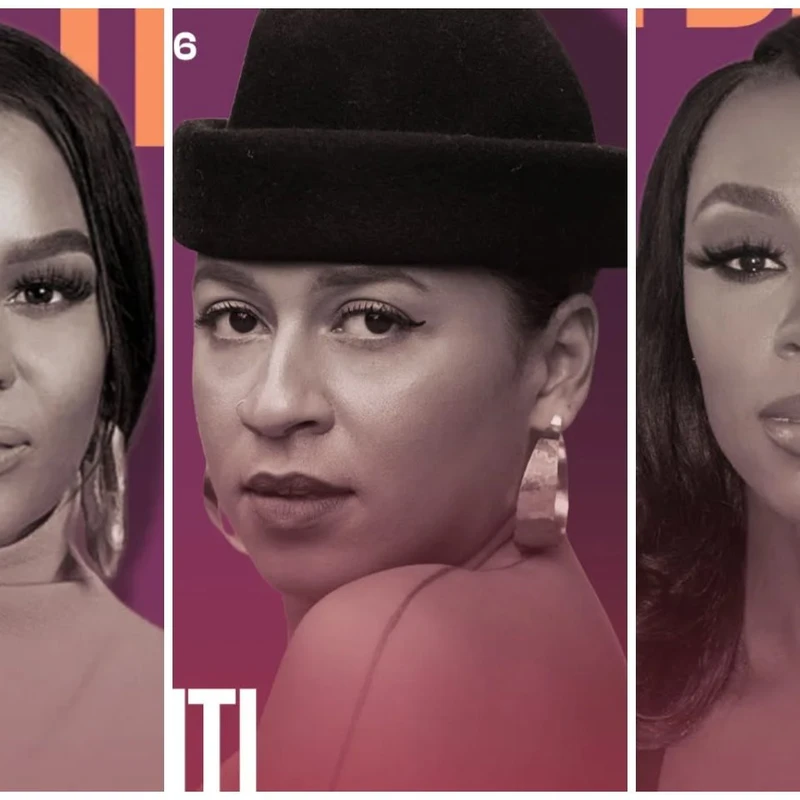
Black women are a powerful force in entrepreneurship, consistently showing resilience and innovation. However, the current economic climate, marked by instability under the Trump administration, is presenting formidable obstacles to their growth and long-term success. Prominent figures like Pinky Cole, founder of Slutty Vegan, and Fawn Weaver, creator of Uncle Nearest Premium Whiskey, are finding themselves restructuring their businesses to safeguard their legacies amidst public scrutiny and high-stakes setbacks.
Economic Hurdles for Business Owners
The current economic landscape poses serious challenges for business owners across the board. Unemployment remains a significant concern, with Black Americans facing a disproportionately higher rate of 7.7% compared to the overall rate of 4.4% reported in February. Simultaneously, persistent inflation continues to inflate operating costs, making it increasingly difficult for businesses to maintain profitability.
Rising prices for goods and services, increased labor expenses, and ongoing supply chain disruptions are forcing many small business owners, about 46% of whom cite inflation as a top concern, to raise their prices while grappling with tighter profit margins. This economic turbulence creates a particularly precarious environment for ventures striving for expansion.
Pinky Cole’s Journey Through Financial Strain
Pinky Cole, founder of the popular vegan burger chain Slutty Vegan, recently shared insights into the difficulties following her rapid expansion to 14 locations by 2022, a period coinciding with the pandemic’s peak. This aggressive growth, coupled with soaring operational and overhead costs exacerbated by inflation, led to significant financial strain and a complex legal situation.
Cole relinquished ownership of the company in February 2025, only to regain control just 43 days later. She filed for Chapter 11 bankruptcy protection in Georgia to restructure over $1.3 million in debt, including substantial amounts owed to the U.S. Small Business Administration and the Georgia Department of Revenue. Cole explained that rapid scaling, without proper positioning of talent, contributed to the business’s pressure.
Navigating Legal Battles and Regaining Control
To manage her debts, Cole utilized an Assignment for the Benefit of Creditors (ABC), a process allowing for more efficient liquidation of assets. After regaining ownership, she faced further challenges when a creditor seized her rental property. Despite not owing money on it, the property was locked down due to extended vacancy. Cole ultimately prevailed in court when the creditor failed to appear at a federal bankruptcy hearing, resulting in the property’s return and the creditor being ordered to cover her legal fees.
This experience, while stressful, provided Cole with valuable lessons about the intricacies of business processes. Her resilience in overcoming these hurdles underscores the determination often required for Black women entrepreneurs, who, despite being the fastest-growing group of entrepreneurs in the U.S., frequently face limited access to capital and legal resources.
Fawn Weaver’s Fight for Uncle Nearest
Fawn Weaver, the visionary behind Uncle Nearest Premium Whiskey, is navigating her own set of legal and financial battles. Weaver recently secured a significant victory in her dispute with lender Farm Credit Mid-America, which had accused her and her husband of defaulting on over $108 million in loans. These allegations had led to a court-ordered receivership in 2025.
However, Weaver announced the receivership’s termination following decisive legal action. She, along with her husband and the company’s largest shareholder, has filed a lawsuit alleging the lender engaged in a smear campaign by spreading false claims about the company’s finances, despite possessing contradictory records. Weaver has assembled a team of ten attorneys to pursue litigation.
Transparency and Resilience Amidst Adversity
Like Cole, Weaver also filed for Chapter 11 protection to reorganize debt while safeguarding stakeholders. This process ensures continued operation and allows the company to address legal disputes while pursuing counterclaims. Weaver emphasized that Chapter 11 mandates complete financial transparency, stating, ‘In that courtroom, no one gets to hide behind filings without evidence or accusations without proof.’
Despite the ongoing legal battles, Uncle Nearest Premium Whiskey continues to thrive, remaining one of the fastest-growing whiskey brands and earning numerous awards. Weaver’s success demonstrates the resilience and determination of Black women entrepreneurs who are not only carving out space at the highest levels of business but are also succeeding despite significant adversity.
What are your thoughts on the challenges faced by Black women entrepreneurs like Pinky Cole and Fawn Weaver? How can the system better support these vital businesses? Share your insights in the comments below!