Category: Black Women and RelationshipsFriendships

  • Why the Internet Targets Black Women’s Friendships

    Friendship is a universal human experience, a source of deep connection and support. But for Black women, especially those in the public eye, these cherished bonds seem to constantly find themselves under a harsh spotlight. Why does the internet so often turn the powerful friendships of Black women into a punchline?

    From Protection to Punchline: The Erivo-Grande Incident

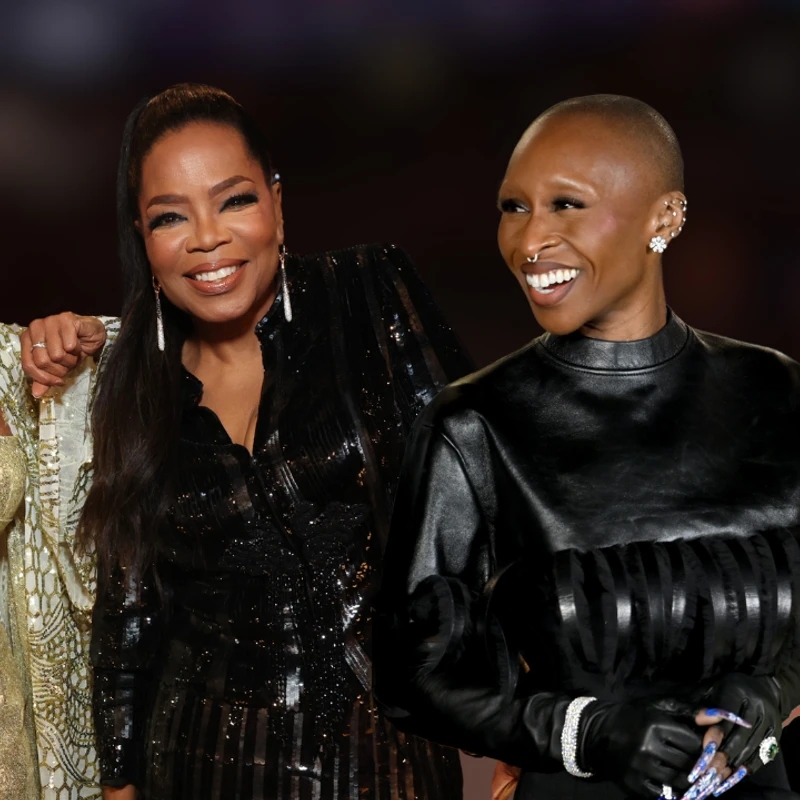
    A recent example that sparked online debate involved Cynthia Erivo and Ariana Grande during the Singapore premiere of their film ‘Wicked For Good.’ When a man lunged toward Grande, Erivo instinctively stepped in front of her co-star. What should have been a moment celebrating quick thinking and genuine care between friends was rapidly twisted by social media.

    Videos flooded timelines casting Erivo as Grande’s personal ‘bodyguard,’ playing into harmful tropes about Black women’s bodies being solely for protection or service. Erivo herself reflected on the reaction, telling Variety, ‘I just felt like my humanity had been bastardized.’ She pointed out how assumptions about her physique and appearance led to the narrative that she was ‘controlling or protecting,’ a role she believes wouldn’t have been assigned if the roles were reversed.

    The Oprah & Gayle Phenomenon: Loyalty Under Scrutiny

    This isn’t an isolated incident. For years, veteran journalist Gayle King has navigated persistent speculation about her decades-long friendship with Oprah Winfrey. Despite their clear declarations of platonic love and loyalty, tabloids and social media relentlessly fuel rumors that their closeness must signify something more.

    King candidly shared on the ‘Call Her Daddy’ podcast how these rumors, particularly those linking them to her divorce, used to deeply bother her. While she’s reached a point where such noise doesn’t get to her, the fact that such a celebrated and documented friendship still faces such intense scrutiny speaks volumes. It highlights a societal struggle to accept that successful Black women can simply be deeply loyal and devoted friends.

    A Pattern of Dehumanization

    The internet’s reaction to Black women’s friendships often falls into two problematic categories: sexualization or mockery. When Black women display visible closeness, protectiveness, or joy with one another, their bonds are either sexualized or turned into a joke. This pattern stems from a deeper societal issue: the persistent refusal to see Black women’s full humanity.

    Conversely, if Black women appear distant or reserved, they might face narratives about beef or disloyalty, often falling into the ‘angry Black woman’ trope. It seems there’s no winning when you’re a Black woman in the public eye; closeness invites ridicule, and distance invites criticism.

    Refusing to Be Defined by Noise

    Both King and Erivo are choosing to address this trend not for sympathy, but to refuse to let online commentary define their experiences. Their willingness to speak out acknowledges the magic and necessity of these friendships, recognizing that a part of every Black girl understands the rarity and beauty of such deep connections.

    What are your thoughts on how social media portrays Black women’s friendships? Share your perspective in the comments below!
  • Ciara Miller’s ‘Harsh’ Reaction: A Double Standard?

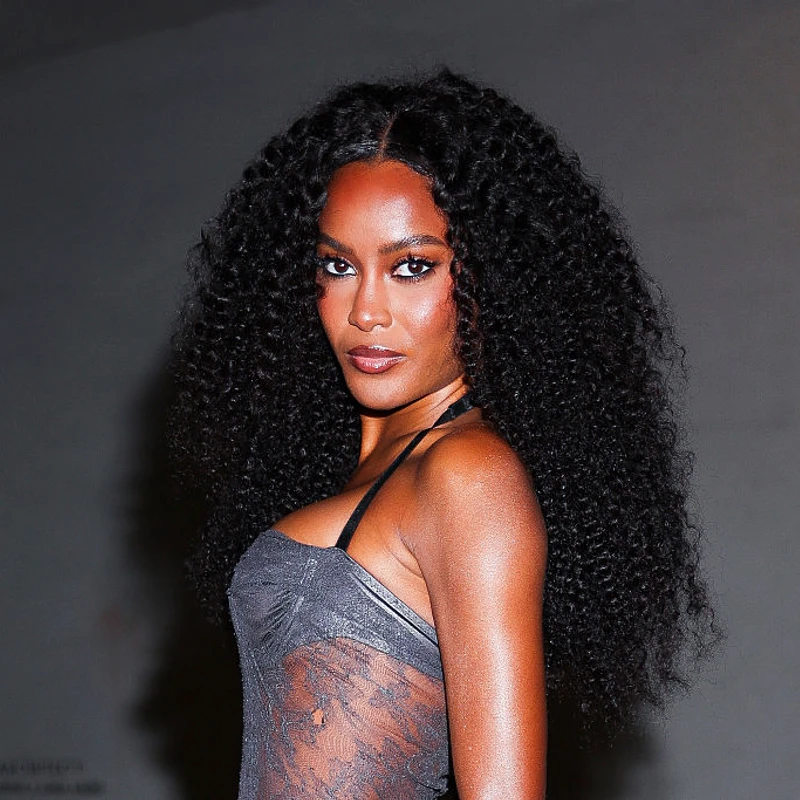
    When Ciara Miller confronted her ex-friend Amanda Batula on the ‘Summer House’ reunion for sleeping with her ex, the reactions were divided. Some felt Miller was justified, while others, including co-star Kyle Cooke, deemed her delivery ‘harsh.’ But is this a case of genuine criticism, or is it the familiar tone policing Black women often face when expressing anger?

    The ‘Harsh’ Delivery: A Double Standard in Action?

    Amanda Batula committed a significant betrayal by hooking up with Ciara Miller’s ex, West Wilson, after Miller had confided in her about the relationship’s demise. Despite this deep breach of trust, Miller was met with commentary suggesting her reaction was too intense. Cooke, while acknowledging Miller’s right to be upset, found her delivery ‘hard to hear,’ potentially perpetuating the ‘angry Black woman’ trope.

    Miller pushed back, stating, ‘That’s your wife, that’s not my wife,’ highlighting that the expectation of a softer approach didn’t apply when the offense was against her. The reality is, when individuals with marginalized identities express displeasure, their reactions are often scrutinized more heavily than those of their counterparts.

    Friendship Betrayed, Loyalty Questioned

    The depth of Miller and Batula’s friendship was evident; Miller had even shared her location with Batula, a sign of significant trust. Yet, Batula not only pursued Miller’s ex but also lied about their connection, even after Miller had confided in her about the pain Wilson had caused. This wasn’t just a casual hookup; it was a calculated betrayal of a close friendship.

    Miller’s confrontation focused on the breach of their friendship, calling Batula a ‘snake in the grass’ rather than resorting to personal insults about her appearance or character. She even offered a sharp, yet insightful, observation about Batula’s compatibility with Wilson, suggesting Batula’s lack of assertiveness made her the ‘best woman for West.’ This was a critique of the situation, not a character assassination.

    The Bravoverse and Double Standards

    In the often dramatic world of Bravo reality shows, where confrontations can escalate quickly, Miller’s reaction seems relatively measured. Other cast members, like Mia Calabrese and Lindsay Hubbard, delivered far more aggressive clapbacks during the same reunion. Yet, Cooke didn’t admonish their tones. This selective policing of ‘harshness’ points to a clear double standard.

    The expectation for Black women to deliver their displeasure with a certain level of decorum, even when deeply wronged, is a pervasive issue. While Miller relied on wit and truth, her delivery was still labeled ‘harsh,’ unlike the equally, if not more, aggressive comments made by others.

    Standards Should Be Consistent

    True friendship demands loyalty, and Amanda Batula’s actions fell far short. Ciara Miller’s response, while intense, was a direct consequence of a significant betrayal. The narrative that Black women’s assertive reactions are inherently ‘too harsh’ needs to be challenged. Standards of decorum shouldn’t shift based on the victim’s identity but on the severity of the offense.

    Do you think Ciara Miller’s reaction was too harsh, or was it justified? Share your thoughts on this double standard in the comments below!