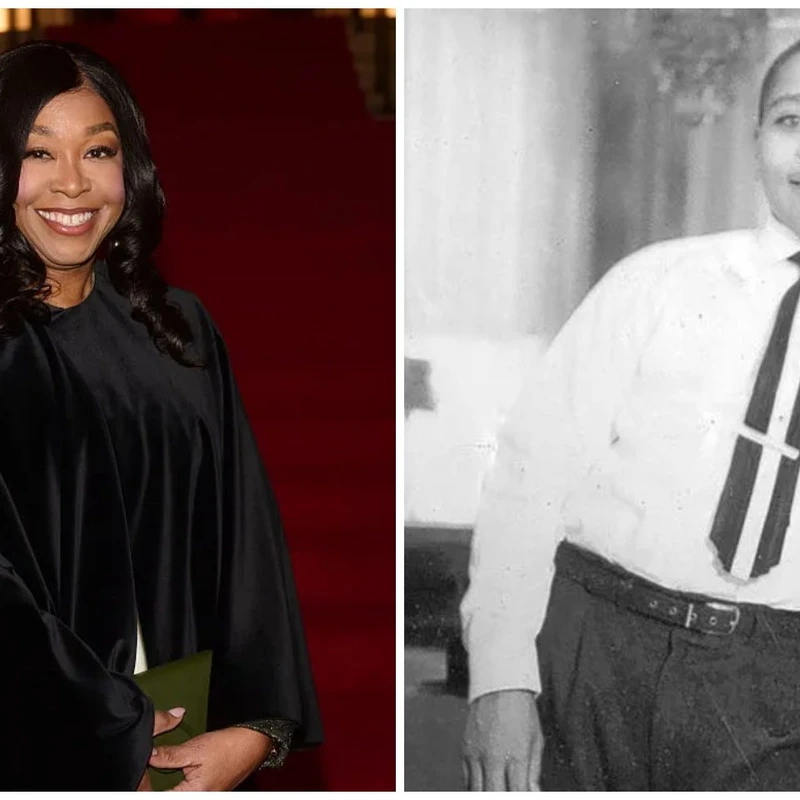
A pivotal and tragic site in American history is set to be transformed. The Mississippi Delta barn where 14-year-old Emmett Till was brutally tortured and murdered in 1955 will be preserved and rebuilt as a sacred memorial. This initiative aims to honor his life and the profound impact his death had on the civil rights movement.
A Sacred Site for Truth and Remembrance
The Emmett Till Interpretive Center announced on November 24th – the day after Emmett’s mother Mamie Till’s birthday – that they had acquired the barn. This significant acquisition was made possible by a generous $1.5 million donation from acclaimed TV producer Shonda Rhimes, alongside contributions from local residents.
The Center shared their vision: “We did not save this place to dwell in grief. We saved it so that truth could keep shaping us.” Their goal is to create a space for truth-telling, creative reflection, and civic awareness, moving beyond just witnessing tragedy to understanding personal responsibility in the ongoing fight for democracy.
Shonda Rhimes’ Vision
Rhimes, deeply moved by the barn’s history, expressed her hope that this story would never be forgotten. Speaking with Robin Roberts in 2023, she stated, “My hope is that this story never gets lost.” She believes the barn, like Mamie Till’s courage, carries a charge to help the world see the truth.
The Tragic Events of 1955
Emmett Till, a Black teenager from Chicago, was visiting relatives in Mississippi when he was abducted on August 28, 1955. He was taken to the barn by J.W. Milam, his brother Roy Bryant, and others. The horrific beating and murder that followed were based on a false accusation by Carolyn Bryant Donham, who claimed Till had made advances toward her.
Donham’s later admission in 2007 that she had lied about the alleged advances, stating “Nothing that boy did could ever justify what happened to him,” became crucial in reassessing the case. Eyewitness Willie Reed bravely recounted hearing Till’s screams from inside the barn, ensuring that the full truth, despite efforts to bury it, could not be completely erased.
A Mother’s Courage and a Nation’s Awakening
Mamie Till’s courageous decision to have an open casket on September 6, 1955, was a pivotal moment. She wanted “to let the world see what they did to my son.” Thousands viewed Emmett’s mutilated body, an act that deeply affected many and galvanized the burgeoning civil rights movement.
Despite the brothers’ later confession in Look magazine, double jeopardy protections prevented further prosecution after an all-white jury acquitted them of murder. The barn itself was intentionally omitted from historical accounts by the perpetrators, a deliberate act to conceal the full scope of the crime and protect others involved, all rooted in the pervasive racism of the time.
Preserving History for Future Generations
The barn’s journey to becoming a memorial has been long. Local resident Jeff Andrews purchased the site in 1994 and, upon learning its history, welcomed Till’s family and visitors, keeping the site meaningful long before official preservation efforts began. Filmmaker Keith Beauchamp also played a key role in documenting and advocating for the site’s significance.
By 2030, the 75th anniversary of Emmett Till’s lynching, the Emmett Till Interpretive Center plans to open the reconstructed barn as part of a larger public memorial. This space is intended not just to remember a tragedy, but to foster understanding and encourage active participation in the ongoing struggle for justice and democracy.
What does the preservation of sites like the Emmett Till barn mean to you? Share your thoughts in the comments below.