Category: Black Entrepreneurship and Success

  • 8 Black-Owned Brands Championing Sustainability

    In today’s world, consumers are increasingly seeking out products that align with their values, and sustainability is at the forefront. Thankfully, a growing number of Black-owned businesses are stepping up, integrating eco-conscious materials, ethical labor practices, and community-centered missions into their core operations. These brands are not only transforming responsible commerce but also significantly reducing their environmental footprint.

    Pioneering a Greener Future

    From fashion and beauty to everyday lifestyle goods, these innovative companies are proving that sustainability and style can go hand-in-hand. They’re committed to making a positive impact, offering consumers a way to “go green” without compromising on quality or aesthetics. Let’s explore some of these inspiring brands.

    BLK + GRN

    Founded by Dr. Kristian Henderson, BLK + GRN is an online marketplace dedicated to connecting consumers with non-toxic, plant-based products created exclusively by Black artisans. Operating in the U.S., they offer everything from skincare and wellness items to home goods, all of which are cruelty-free and free from harmful chemicals. The platform was born out of a desire to combat health disparities linked to toxic products, maintaining a strong focus on clean formulations and ethical sourcing.

    Hamilton Perkins Collection

    Based in Norfolk, Virginia, Hamilton Perkins started his collection in 2014 with a mission to create stylish bags and accessories from recycled materials. Utilizing plastic bottles, pineapple leaf fiber, and repurposed banners, the brand’s “Earth Bags” collection exemplifies their commitment to reducing waste and offering durable, affordable products. Their transparent supply chain champions circular fashion innovation by cutting down on carbon emissions and water usage.

    The Honey Pot Company

    Bea Dixon established The Honey Pot Company to revolutionize the feminine hygiene market with plant-based, herbal products. This pioneering brand prioritizes sustainable sourcing and toxin-free formulations. Their eco-conscious methods and holistic wellness approach have allowed them to scale nationally while staying true to their commitment to clean, responsible production.

    Brother Vellies

    Aurora James founded Brother Vellies, a luxury accessories brand that honors traditional African methods. They craft shoes and handbags using sustainable materials, emphasizing artisan craftsmanship and ethical labor practices. Based in New York, their small-batch manufacturing approach preserves cultural heritage while minimizing environmental impact.

    Yam

    This New York-based jewelry company, Yam, creates its unique pieces using recycled metals and materials. They operate on an on-demand production model, which significantly reduces waste and excess inventory. Coupled with their use of recyclable packaging, Yam aligns perfectly with the slow fashion movement, catering to consumers who prioritize environmental consciousness in their accessory choices.

    Elexiay

    Under the leadership of Elyon Adede, Elexiay produces handmade crochet garments in Nigeria, working with local artisans. The brand embraces a slow fashion philosophy, utilizing manual production methods that minimize environmental harm and preserve traditional craft techniques. Their commitment to sustainability is evident in their ethical labor standards, limited use of machinery, and implementation of recyclable materials.

    Hope for Flowers

    Tracy Reese’s U.S.-based fashion brand, Hope for Flowers, embeds sustainability into every stage of production. They utilize biodegradable fabrics like organic cotton and Tencel, consciously avoiding synthetic materials. The brand also ensures fair wages for its employees and produces limited quantities, encouraging conscious consumerism and empowering customers to make choices that drive environmental transformation.

    KNC Beauty

    Kristen Noel Crawley founded KNC Beauty with a focus on natural, clean beauty products, including their popular collagen lip masks. The brand is built on cruelty-free principles and a deep commitment to environmental consciousness. KNC Beauty has successfully carved out a leading position in the eco-friendly beauty industry by harmonizing sustainable practices with accessible, high-quality products.

    Making a Difference, One Product at a Time

    These eight companies are more than just businesses; they are beacons of change, demonstrating that profitability and planetary well-being can coexist. By supporting these Black-owned brands, consumers not only invest in high-quality, sustainable products but also contribute to a more equitable and environmentally responsible future.

    Which of these sustainable Black-owned brands are you most excited to explore? Do you know of other eco-conscious companies making a difference? Share your discoveries and thoughts in the comments below!
  • DJ Arie Spins: From Classroom to Center Stage

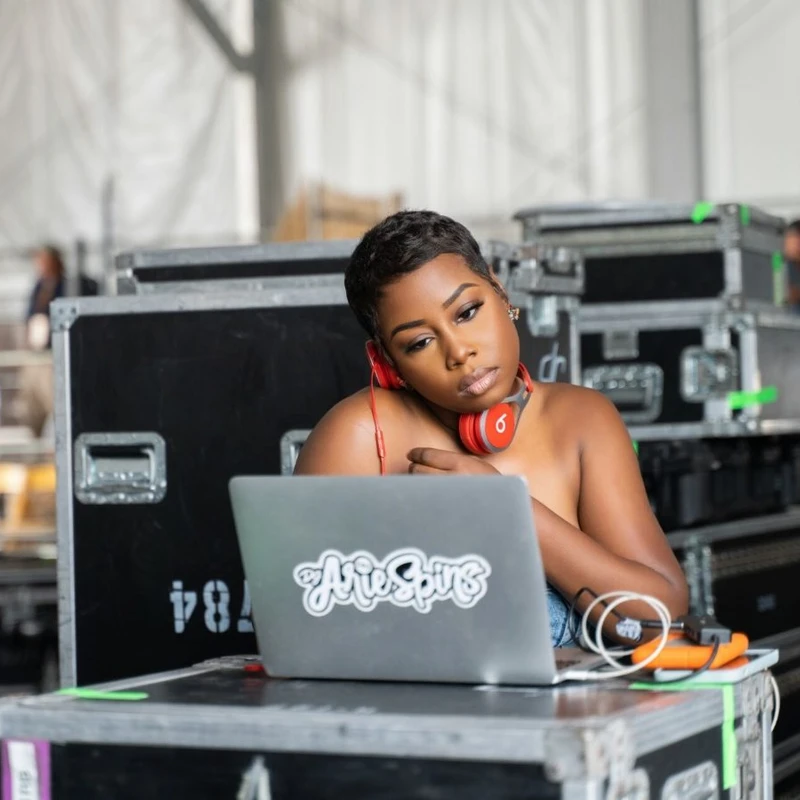
    If you haven’t yet heard the name DJ Arie Spins, get ready – this New Orleans talent is making serious waves. Since opening for PJ Morton’s acclaimed “Watch The Sun Tour” in 2022, she’s been commanding stages across the nation, bringing her unique energy and musical expertise to ever-larger audiences. But her journey to the spotlight wasn’t an overnight sensation; it’s a story of steady growth, seizing opportunities, and a pivotal decision to bet on herself.

    From Educator to Entertainer

    Born Ariel Sherman, DJ Arie Spins’s path to DJing began unexpectedly in 2016. While teaching full-time, she stepped in to DJ a school fundraiser during Mardi Gras, aiming to keep the energy high for the crowd. Music had always been a part of her life as a preacher’s kid, but these early experiences were more informal and community-focused.

    The pandemic provided a crucial period for her to deepen her commitment to the craft. What started as a side gig evolved, leading to a local residency and, eventually, industry connections, including her manager. This mentorship proved invaluable, opening doors to touring opportunities that would soon change her career trajectory.

    The Turning Point: Touring with PJ Morton

    Arie’s first touring experience with PJ Morton was a trial by fire. Initially slated to play only house music, she was asked to open the show just an hour before the first performance. This unexpected pivot forced her to tap into new abilities, proving to herself that she could captivate an audience on a much larger scale. “I need to bet on myself,” she recalls thinking, a realization that led her to take the leap into full-time DJing – a decision that has clearly paid off.

    Her sets are meticulously crafted, a result of extensive research and a desire to tailor each performance to the specific room, city, and audience. This thoughtful approach, combined with her innate talent, made her a perfect fit for Morton’s major 2022 tour, which spanned over 50 cities. Balancing the demands of touring with her passion for teaching young people became increasingly challenging, ultimately prompting her to fully commit to her DJ career.

    Navigating Challenges as a Black Woman DJ

    Arie openly discusses the unique challenges faced by Black women in the DJ space. She notes the constant need to “prove ourselves 10 times over” compared to male counterparts, often facing skepticism about their skills even for basic techniques. Objectification is a concern, but the deeper issue lies in the disparity of assumptions about competence.

    She shares experiences of being questioned in rooms where male DJs are automatically assumed to be capable. This pushback, she observes, is less common for men, even when their skill sets might not match. Arie also addresses the online criticism she sometimes receives from male peers, highlighting a double standard in how opinions are voiced and received.

    The Art of Reading a Room and Preparing Sets

    For Arie, a crucial skill is the ability to “read a room.” As a “show DJ” rather than a traditional four-hour set performer, her focus is on creating engaging stage-front experiences. Her preparation involves understanding the audience, the city’s local music scene (like Go-Go in D.C. or Houston’s chopped and screwed history), and even critiquing her past performances with her manager’s strategic input on crowd engagement.

    Her journey through the ESSENCE Festival of Culture is a testament to her growth. From DJing at BeautyCon to gracing the main stage in her hometown of New Orleans, Arie sees it as a mirror of her development as a DJ. Being one of the few local DJs to perform on that prominent stage, alongside other respected names, holds immense significance for her, proving that local talent can achieve national recognition.

    • Started DJing as a side gig while teaching full-time.
    • Pivoted to full-time DJing after touring with PJ Morton.
    • Emphasizes the importance of “betting on yourself” and embracing change.
    • Faces challenges as a Black woman in the DJ industry, requiring extra validation.
    • Tailors sets by researching audiences, cities, and past performances.

    What advice would you give to someone considering a career change to pursue their passion? Share your thoughts and experiences in the comments below!

  • Patrice Motsepe: Africa’s First Black Billionaire

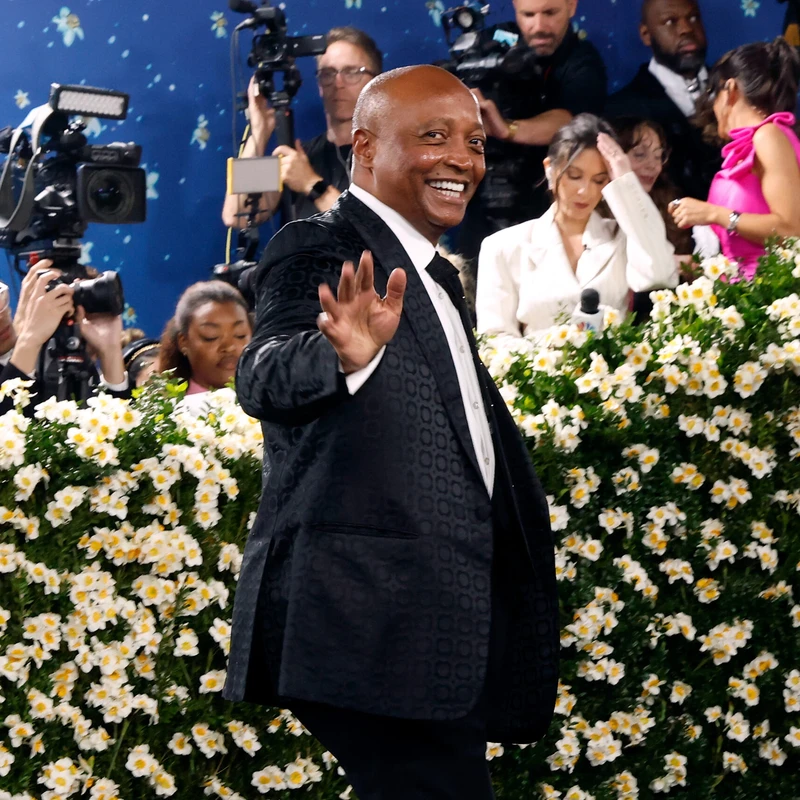
    Patrice Motsepe, the South African mining magnate, stands as a towering figure of entrepreneurial achievement not just in his home country, but across the entire African continent. Born in Soweto in 1962, his journey from humble beginnings to global recognition is a testament to ambition, strategic vision, and a deep commitment to philanthropy.

    From Law to Mining Tycoon

    Motsepe’s early life was marked by academic excellence, leading him to pursue a law degree. After honing his skills as a lawyer, he astutely identified lucrative opportunities within South Africa’s rich mining sector. This strategic pivot would ultimately define his financial trajectory and cement his legacy.

    His educational background provided a crucial foundation. After attending local schools in Soweto, Motsepe earned a Bachelor of Laws (LLB) from the University of the Witwatersrand. This legal expertise proved invaluable in navigating complex business contracts and regulations. Beyond formal education, Motsepe continuously sought knowledge through workshops and by learning the intricacies of mining operations, demonstrating that foundational learning is key to entrepreneurial success.

    Building an Empire: African Rainbow Minerals

    Motsepe’s primary source of wealth stems from his strategic investments in the mining industry. In 1997, he founded African Rainbow Minerals (ARM), a company that initially focused on gold, platinum, and other base minerals. By taking calculated risks and acquiring undervalued mining assets, Motsepe skillfully expanded ARM’s portfolio and boosted production efficiency, driving significant profitability.

    His business acumen extends beyond mining. Motsepe diversified his investments into sectors like financial services and agriculture. He also played a pivotal role in South Africa’s Black economic empowerment initiatives, aligning his ventures with policies designed to encourage minority ownership in key industries. This combination of foresight, legal expertise, and a deep understanding of the local economy allowed him to achieve a historic milestone.

    A Diverse Portfolio and Philanthropic Vision

    Motsepe’s influence spans a wide array of companies. His flagship enterprise, ARM, boasts numerous subsidiaries in mining and mineral processing. He also holds significant stakes in major financial services firm Sanlam, alongside ventures in energy and logistics. This diverse portfolio reflects a commitment to both growth and stability, balancing high-return industries with essential services.

    Beyond his business empire, Motsepe is renowned for his generosity. He has pledged substantial portions of his fortune to philanthropic causes, focusing on education, healthcare, and community development across Africa. This dual focus on financial success and social impact not only elevates his profile but also inspires emerging entrepreneurs to pursue ambitious goals while contributing positively to society.

    A Symbol of Achievement: The Forbes List Milestone

    In 2008, Patrice Motsepe achieved a landmark moment, becoming the first Black African billionaire to be featured on the prestigious Forbes list. This recognition was a powerful affirmation of his success in building African Rainbow Minerals and his other diverse ventures. His estimated net worth, currently around $4 billion according to Forbes, continues to make him one of the wealthiest individuals on the continent.

    Motsepe’s opulent Sandhurst residence in Johannesburg, purchased in 2014, reflects his status. This luxurious estate serves not only as a private sanctuary but also as a venue for hosting events that support his charitable endeavors, embodying his blend of refinement, privacy, and social responsibility.

    • Founded African Rainbow Minerals (ARM) in 1997.
    • Became the first Black African billionaire on the Forbes list in 2008.
    • Invested in mining, financial services, energy, and logistics.
    • Estimated net worth of approximately $4 billion.
    • Committed to significant philanthropic contributions towards education and healthcare.

    What inspires you most about Patrice Motsepe’s journey? How do you think his success impacts aspiring entrepreneurs in Africa? Share your thoughts in the comments below!