Category: Black Culture and Identity

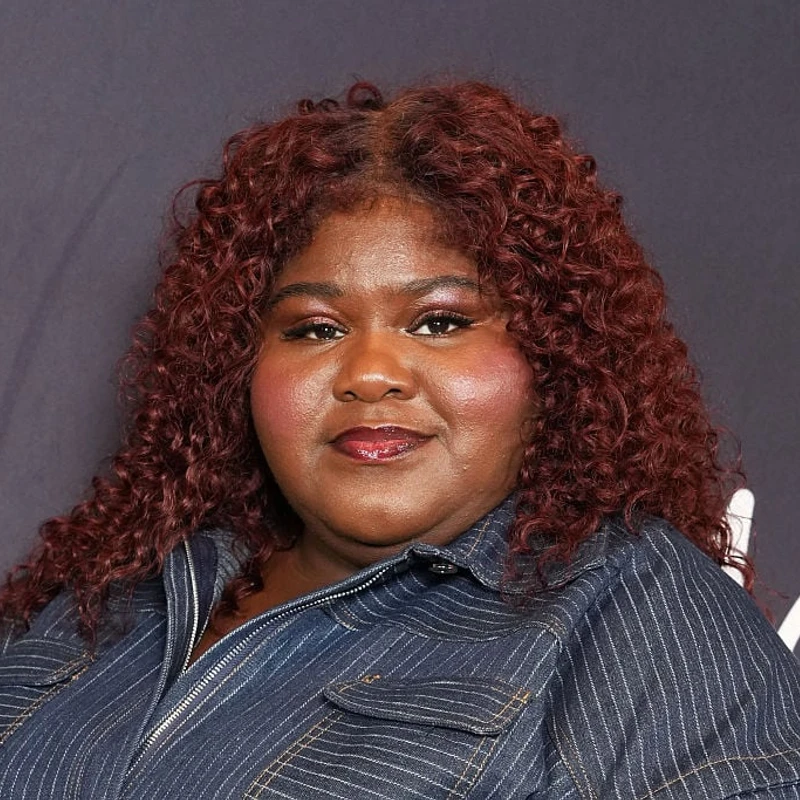
  • Gabby Sidibe Defends Toddlers’ Hair from Online Critics

    Actress Gabby Sidibe is setting the record straight and shutting down unsolicited parenting advice! She’s recently faced criticism online regarding the appearance of her toddlers’ hair, and she’s had enough, making it crystal clear that her focus is on real-life parenting, not social media perfection.

    Pushing Back Against Online Judgment

    Sidibe took to Threads to address the comments, warning that anyone continuing to critique her children’s hair would be blocked. Her message was firm: she’s not interested in outside opinions on how she raises or presents her kids. This direct approach quickly gained attention, with her posts drawing over 230,000 views.

    She explained that while her children’s hair is indeed cared for, the reality of raising toddlers means that perfection is fleeting. Between playing, eating, and the general chaos of daily life, their hair can quickly become messy again. Instead of constantly redoing it to meet online expectations, Sidibe prioritizes practicality and the actual experience of parenting.

    Prioritizing Parenting Over ‘Esthetic’

    Sidibe shared more about her routine, noting that her daughter’s hair is braided weekly, not constantly restyled at the first sign of frizz. This approach reflects a broader parenting philosophy for the actress. She emphatically stated, “I didn’t have kids for the esthetic,” pushing back against the notion that children must always look perfectly polished for public consumption.

    In a follow-up message, Sidibe reinforced her stance, explaining that she’s already “fighting for my life” as a parent and has no intention of performing perfection on social media. Her comments tap into a larger movement among parents who are rejecting the often unrealistic standards amplified online.

    Sidibe’s candid response has resonated with many parents online, sparking important conversations about boundaries, the pressures of parenting, and the expectations placed on families in the social media age. It’s a powerful reminder that real life, with all its beautiful imperfections, often matters more than curated online images.

    What are your thoughts on Gabby Sidibe’s stance? Do you agree that parenting priorities should outweigh online esthetics? Share your opinions in the comments below!

  • Howard Women’s Basketball Stays In Locker Room for Anthem

    The Howard University women’s basketball team is standing firm on its commitment to social justice, even as pregame protocols evolve. For the past six seasons, these athletes have chosen to kneel during the national anthem, a powerful act mirroring Colin Kaepernick’s protest against police brutality. Now, facing a new university policy, the team has decided to continue their protest by remaining in the locker room during the anthem.

    A New Policy, A Familiar Stance

    Following a game against the U.S. Army in December, Howard’s athletic department implemented a new protocol. According to The Hilltop, the university’s newspaper, the updated rule requires players to either stand for the national anthem or stay in the locker room. The women’s basketball team has overwhelmingly opted for the latter, choosing to stay out of sight during the song, regardless of whether they are playing at home or away.

    Vice President of Athletics, Kery Davis, stated that the new approach aims to show “mutual respect” for all communities while still supporting students’ freedom of expression. “There have been thoughtful internal conversations between athletics leadership, coaches and student-athletes regarding pregame protocols,” Davis revealed. “The current approach is about supporting our students’ freedom of expression while upholding mutual respect for all communities.”

    Activism Rooted in HBCU Tradition

    Associate head coach Brian Davis explained the team’s decision: “We don’t want to bring any bad light to Howard University, so we just decided to stay in the locker room now for every game, home and away, and we will continue to do that throughout the rest of the season.” For the players, this choice is not about disrespecting the anthem but about staying true to their values of justice and upholding Howard’s motto of truth and service.

    As an Historically Black College and University (HBCU) located in the nation’s capital, Howard University has a rich legacy of activism and civil disobedience. The team’s decision reflects this history, continuing a tradition of using their platform to call for change, both within the university and on a national scale.

    However, the new policy has sparked debate among other student-athletes, who question whether it infringes upon their freedoms. “If they can take away our right to protest, what else can they take away?” inquired Howard soccer player Ireal Wyze-Daly. “I would never believe that coming to Howard, the biggest HBCU in the world, The Mecca, would basically be forced to bow down to the white oppressive system.” As the women’s basketball team prepares for the upcoming season under these new provisions, their choice to remain in the locker room highlights the ongoing tension between institutional policies and student activism.

    What are your thoughts on Howard University’s new policy regarding the national anthem? Do you believe the team’s decision to stay in the locker room is an effective form of protest? Share your opinions in the comments below!

  • Jordan Peele’s Black Cowboy Docuseries

    Get ready to ride into a forgotten chapter of American history! Visionary filmmaker Jordan Peele, known for his thought-provoking films like ‘Get Out’ and ‘Nope,’ is venturing into the documentary realm with ‘High Horse: The Black Cowboy.’ This compelling three-part docuseries, executive produced by Peele’s Monkeypaw Productions, promises to unearth and celebrate the vital, yet often erased, legacy of Black cowboys and cowgirls.

    Reclaiming the Wild West Narrative

    For too long, the mainstream narrative of the Wild West has largely overlooked the significant contributions of Black individuals. ‘High Horse: The Black Cowboy’ aims to correct this historical oversight. Directed by Jason Perez, the series will delve into how Black cowboys and cowgirls were instrumental in shaping America’s frontier culture, challenging the traditional image of the cowboy.

    The docuseries will blend historical archives, captivating photographs, and insightful new interviews to bring these stories to life. Viewers can expect a rich tapestry of perspectives, featuring not only Jordan Peele himself but also a diverse cast of voices. This includes influential figures like country artists Bun B, Rick Ross, and Blanco Brown; actors Pam Grier and Glynn Turman; equestrian groups such as The Compton Cowboys; and cultural commentators like Tina Knowles and Lynae Vanee.

    A Powerful Premiere on Peacock

    Mark your calendars for Thursday, November 20th, as ‘High Horse: The Black Cowboy’ makes its debut on the streaming platform Peacock. The concise, three-part structure suggests a focused and impactful viewing experience, designed to spark conversation and deeper reflection on American history and identity.

    With Raphael Saadiq composing the score, the series is set to be a visually stunning and emotionally resonant exploration of history, culture, and representation. Peele’s signature style of weaving social commentary into genre storytelling suggests that ‘High Horse’ will be both entertaining and profoundly enlightening. The documentary boldly reframes the narrative, underscored by the powerful statement: ‘If there were no Black cowboys, then America would not exist.’

    Are you excited to watch ‘High Horse: The Black Cowboy’? What do you hope to learn from this docuseries? Share your thoughts in the comments below!

  • The History and Pride Behind Black Bonnets

    You’ve seen them – the stylish, silky bonnets worn with confidence by Black individuals, whether at home or even out and about. Far from being just a fashion statement, these head coverings are deeply rooted in Black culture, representing a powerful blend of preservation, pride, and historical resilience. Let’s dive into the story behind this iconic hair garment.

    What Exactly is a Bonnet and Where Did It Come From?

    Typically made of silk or satin, bonnets are designed to protect the hair. They’re essential for retaining moisture, preserving intricate hairstyles like braids or weaves, and shielding hair from environmental factors like dust and lint. While bonnets as we know them today gained popularity in the mid-20th century, the concept of head coverings for hair protection and cultural expression dates back centuries.

    In the 18th century, similar head coverings were common in Europe for warmth and style. Meanwhile, in Africa, headwraps like the ‘duku’ in Ghana and ‘doek’ in Namibia were integral to traditional attire, signifying wealth, ethnicity, marital status, and more. These headwraps were a powerful form of cultural expression and identity.

    From Erasure to Empowerment: The Tignon Law

    The history of bonnets for Black people took a darker turn during slavery in the Americas. Enslavers often used headwraps to demean and control enslaved women. A particularly egregious example is the 1786 Tignon Law in Louisiana, which mandated that free Black women wear headscarves. This was intended to distinguish them from white women and appease fearful white citizens who were unnerved by the beauty and attractiveness of free Black women.

    However, Black women transformed this oppressive measure into an act of defiance. They adorned their tignons with vibrant, expensive fabrics, ornate knots, feathers, and jewels. Instead of signaling inferiority, these headwraps became symbols of their beauty, wealth, and creativity, a subtle yet powerful rebellion against a system designed to suppress them.

    Survival, Resistance, and Modern Preservation

    As slavery progressed, head coverings continued to serve a practical purpose for enslaved women, shielding their hair from harsh conditions. Over time, these coverings evolved into symbols of survival, resistance, and cultural continuity. In fact, some women even used the folds of their headscarves to communicate coded messages, undetectable to enslavers.

    By the 19th and 20th centuries, Black women embraced silk and satin scarves for nighttime hair protection, essential for maintaining elaborate hairstyles achieved through pressing or curling. The modern bonnet, made more accessible through mass production, truly boomed during the Natural Hair Movement. This era saw Black women embracing their natural textures, and bonnets became crucial for preventing breakage and dryness caused by friction with cotton pillowcases, preserving precious moisture in textured hair.

    A Symbol of Pride and Self-Care Today

    Today, bonnets continue to be an act of care and preservation for Black men and women alike, protecting various hairstyles and promoting healthy hair. While wearing bonnets outside the home has sparked debate, with some critics deeming them ‘unprofessional,’ many view them as symbols of authenticity and cultural pride. For centuries, bonnets have represented beauty, functionality, and the enduring spirit of Black culture.

    What does wearing a bonnet mean to you? Share your thoughts on the cultural significance and personal importance of bonnets in the comments below!