Category: Black Cultural Moments

  • Vogue’s ‘Cloud Bob’ Sparks Outrage Among Black Women

    Vogue is once again under fire, this time for rebranding the iconic afro as a ‘cloud bob.’ The fashion publication recently featured Tracee Ellis Ross’s signature fro in a list of summer haircuts under this new moniker, sparking immediate outrage and accusations of blatant cultural appropriation.

    Erasure of Black Identity and History

    The decision to rename a hairstyle deeply rooted in Black culture and history has been met with widespread frustration. For Black women, the afro is more than just a hairstyle; it’s a symbol of identity, pride, and resistance. The idea that it needs a new, rebranded name, especially one credited to a celebrity stylist rather than acknowledging its origins, feels like a deliberate erasure.

    Social media platforms like Threads, X, and TikTok exploded with criticism. Many pointed out that styles like cornrows have previously been rebranded as ‘boxer braids,’ further highlighting a pattern of appropriation. The backlash was so intense that Vogue reportedly removed the ‘cloud bob’ from its list shortly after its publication, though the implication and the initial misstep remain.

    The Need for Acknowledgment, Not Rebranding

    The article highlights that styles like french rolls, rope twists, microbraids, and top knots are already established. The afro, with its rich history and cultural significance, doesn’t need to be reinvented. Instead, publications like Vogue should acknowledge its legacy, as exemplified by icons like Diana Ross, Angela Bassett, and Colin Kaepernick, who have proudly worn afros.

    The piece criticizes the ‘colonial energy’ that seems to persist, where contributions from Black culture are ignored or rebranded to fit a more palatable narrative for a mainstream audience. While not every style piece needs a history lesson, a sentence or two acknowledging the roots of a style can make a significant difference in preventing erasure.

    A Pattern of Insensitivity

    This isn’t an isolated incident for Vogue. The publication has faced similar accusations of cultural appropriation in the past, including rebranding afro-inspired images as ‘Gibson Girl’ in 2018 and decentering plus-size bodies in a ‘Hairspray’-inspired video. Critics argue that this insensitivity is not a mistake but is ‘built in.’

    The burden of prestige placed on institutions like Vogue means they have a significant influence on societal perceptions. When they rebrand cultural staples, it can overshadow the original context and voices. In an era where AI is increasingly used for information gathering, the authority Vogue holds makes such missteps particularly dangerous, potentially leading to the marginalization of Black beauty standards.

    The Importance of Representation

    The recent news of Teen Vogue’s downsizing further amplifies the concern. The absence of diverse voices within these publications can lead to insensitive content and the rebranding of Black cultural elements. This is how styles seen on the streets for generations get rebranded as new trends, simplifying erasure for those who don’t seek a broader perspective.

    What are your thoughts on Vogue’s ‘cloud bob’ controversy? How important is it for major publications to accurately represent and credit cultural origins? Share your views in the comments below!
  • 7 Black Women-Owned Cannabis Dispensaries to Support

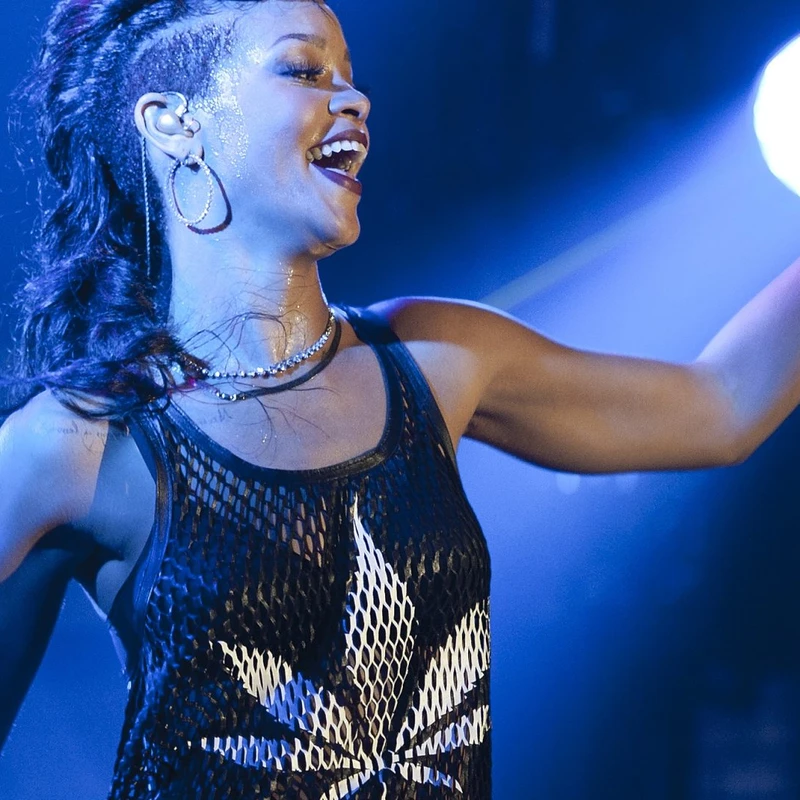
    Did you know the U.S. legal cannabis industry is projected to hit around $30.5 billion in revenue by 2026? That’s a massive economic force! In a landscape where Black women often face employment challenges, it’s incredibly inspiring to see them not only entering but leading in this rapidly growing, multi-billion dollar market.

    Breaking Barriers in Cannabis

    While the image of cannabis ownership might still lean male, a powerful wave of Black women entrepreneurs is changing the narrative. Supported by communities like Cannabis in Black, these women are launching thoughtful, creative businesses and bringing a much-needed diversity to the forefront of the industry.

    From coast to coast, these trailblazers are making their mark. Whether you’re in their neighborhood or planning a visit, here are 7 Black women-owned cannabis dispensaries you should definitely know about. Let’s show them some love and tell them ESSENCE sent you!

    Meet the Trailblazers:

    MATAWAN | Brooklyn, NY

    Fun Fact: Matawana holds the distinction of being the first Black woman-owned dispensary in Brooklyn, and they proudly deliver across the entire borough. Their vibe? “From seed to staff, we carefully select products that meet our high standards for purity, potency and safety.” Expect clear labels, educational resources, and expert staff to guide your choices.

    MARY & MAIN | Capital Heights, MD

    Fun Facts: Co-founder Hope Wiseman, a Spelman College grad, became the youngest Black woman dispensary owner in the U.S. when she and her mother, Dr. Octavia Wiseman, opened in 2018. The Vibes: They offer a wide range of products from pre-rolls to vapes and edibles, with a robust medical menu. Plus, their events, like brunches and yoga gatherings, sound like a blast!

    GORILLA RX | South Central Los Angeles, CA

    Fun Fact: In a city with around 200 dispensaries, Gorilla RX is one of the few Black women-owned establishments. The Vibes: With a slogan like “Black women get us higher,” they’ve captured attention. This family-inspired space is rooted in community and offers services like assistance with California medical marijuana card applications, plus cool merch.

    BLISS + LEX | New York City (Upper East Side)

    Enlightening Fact: Founders Nicole and Chris Lucien, a husband-and-wife duo, are acutely aware of the negative impact cannabis prohibition has had on the Black community and are actively working to make a difference through their business. The Vibes: Discover a diverse selection of edibles, pre-rolls, flowers, vapes, topicals, and drinks from various brands. Their blog also offers interesting reads on the history of 4/20.

    POSH GREEN CANNABIS BOUTIQUE | San Francisco, CA

    Fun Fact: Posh Green is the first independently owned Equity Retail Cannabis Dispensary in San Francisco by a woman of color. The Vibes: This luxury boutique focuses on high-quality products, offering daily deals, sponsoring community events, providing cannabis education, and even Sunday delivery services.

    YERBA DE LA BUENA | Brooklyn, NY

    Fun Fact: The brand’s engaging, education-first website was just relaunched in March 2026. The Vibes: This Afro-Latina husband-and-wife team claims their products are always packed to order at their peak, ensuring freshness. Everything is prepared just for you, every time.

    JOSEPHINE & BILLIE’S | Los Angeles, CA

    Fun Fact: This unique establishment aims to transport visitors back to the 1920s and 1930s, evoking the spirit of “teapads” where Black communities could safely gather for jazz and cannabis. The Vibes: An elevated cannabis experience in a space named after icons Josephine Baker and Billie Holiday? Sign us up!

    Which of these incredible Black women-owned dispensaries are you adding to your list? Let us know in the comments below!

  • Nebraska’s First All-Girls School for Young Scholars

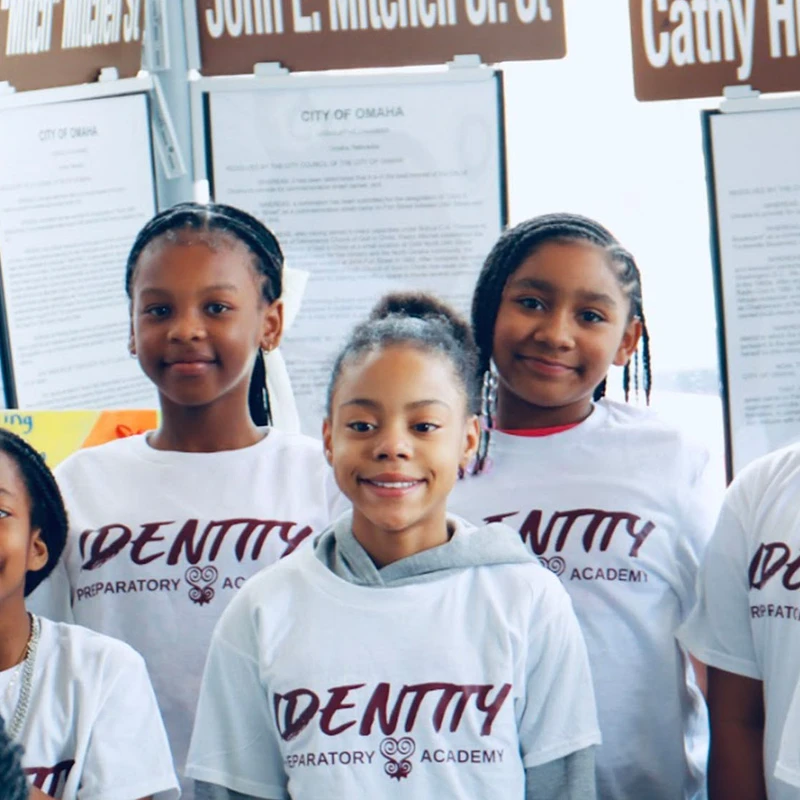
    Get ready, Nebraska! A groundbreaking new school is set to open its doors in Fall 2026, and it’s designed specifically to nurture the brilliance of young girls. Identity Preparatory Academy is making history as Nebraska’s first state-approved, Black-founded school, and it’s poised to offer a unique educational experience for fourth through eighth graders.

    A Foundation Built on Community and Culture

    This isn’t just another school; it’s a vision brought to life by founder and CEO DerNecia Phillips. Identity Preparatory Academy is built on the core pillars of community, culture, and relationships. The goal is to provide a rigorous education that not only challenges students academically but also celebrates their identities and fosters a strong sense of self.

    The academy’s website states, “We are a forthcoming middle school for girls that is engaging with future scholars and families as we build the school our girls deserve together.” This collaborative spirit is key to their approach, ensuring the curriculum truly reflects the needs and aspirations of the students it serves.

    Community-Driven Curriculum Development

    What makes Identity Preparatory Academy truly special is its community-driven curriculum. Through an initiative called ‘Dreams of Our Daughters,’ parents and students were actively involved in shaping the educational program. This ensures that the learning experience is not only high-quality and academically excellent but also deeply rooted in cultural relevance.

    DerNecia Phillips emphasized the importance of seeing oneself reflected in leadership and curriculum. “Our girls need to see people that look like them and leadership that looks like them,” she explained. This commitment to representation is vital for building confidence and positive identity consciousness in young learners.

    Student Voices Shaping the Future

    Even fifth-graders like Savannah had a say in the school’s programming! She shared her desire for school sports, mentioning her love for basketball and flag football. Her mom added the importance of learning life skills like cooking. This inclusive process ensures that the school environment is both enriching and practical.

    You won’t get judged and stuff by the way I look or how you act and stuff by kids, you can just be you. — Savannah, 5th Grader

    Savannah also highlighted the benefit of an all-girls environment, noting that students can feel more comfortable being themselves without fear of judgment. This focus on creating a safe and empowering space is central to the academy’s mission.

    Mark Your Calendars for Fall 2026!

    Mark your calendars! Identity Preparatory Academy is slated to open its doors in Fall 2026. There’s already a buzz, with a waitlist forming for fourth- and fifth-grade students eager to join this unique educational journey. This is an exciting development for education in Nebraska and a testament to the power of community-focused initiatives.

    What are your thoughts on community-driven schools like Identity Preparatory Academy? Share your insights in the comments below!