Category: Beyonc and Lauryn Hill on Education and Artistry

  • Lauryn Hill: Why She Stepped Away From Music

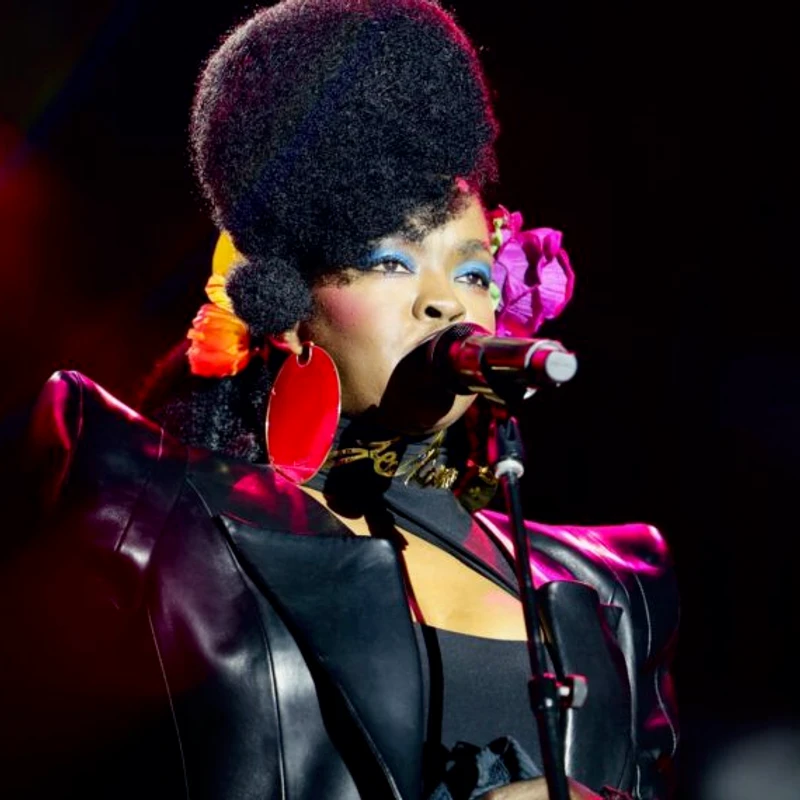
    Remember when Lauryn Hill dropped jaws with her surprise appearance at Ye’s SoFi Stadium show? It instantly reignited that age-old question: why did one of music’s most gifted artists step away at the peak of her powers? Well, it turns out Ms. Hill herself has finally shed some light on her long hiatus, and it’s not just about typical industry drama.

    Beyond the Usual Suspects: What’s Really Going On?

    For years, fans and critics have speculated, with theories ranging from label disputes and legal battles to burnout and a desire for a more private life focused on family and spirituality. An Instagram post by FRAIM.World even listed these common industry woes as potential reasons for her absence.

    But Lauryn Hill saw the post and decided it was time to set the record straight. She jumped into the comments, initially disagreeing with a simple emoji, but then elaborated on her perspective. Her explanation goes deeper than just the usual industry headaches.

    The True Cost of Artistic Integrity

    Hill clarified that her extended break isn’t about squabbles with labels or managers. Instead, it’s about the immense personal effort required to protect her art and maintain her integrity as a creator. She highlighted the often-overlooked ‘drain’ and the struggle to find a ‘safe space’ where she can truly create without compromise.

    She pointed out how corporate greed can often tarnish the pure essence of music once it achieves commercial success. When she attempted to release more unconventional, socially conscious material, even on her acclaimed MTV Unplugged album, she found doors beginning to close.

    Systems Fear What They Can’t Control

    Hill posed a powerful question: “If it was so easy to do, where is that expression now on the world stage?” She believes that creative expression is at its most powerful when it’s free. Her goal, she explained, was to introduce new standards and possibilities to a generation that might not have realized they could operate at that level.

    Ultimately, Lauryn Hill views her decision to step back from the mainstream music machine as a deliberate choice to safeguard her artistic freedom. It’s a powerful statement about the challenges artists face when trying to stay true to their vision in a system that often prioritizes profit over purity.

    What are your thoughts on Lauryn Hill’s explanation? Do you think artists today face similar challenges in maintaining creative freedom? Share your opinions in the comments below!
  • Beyoncé’s ‘Cowboy Carter’ Inspires Harvard Course

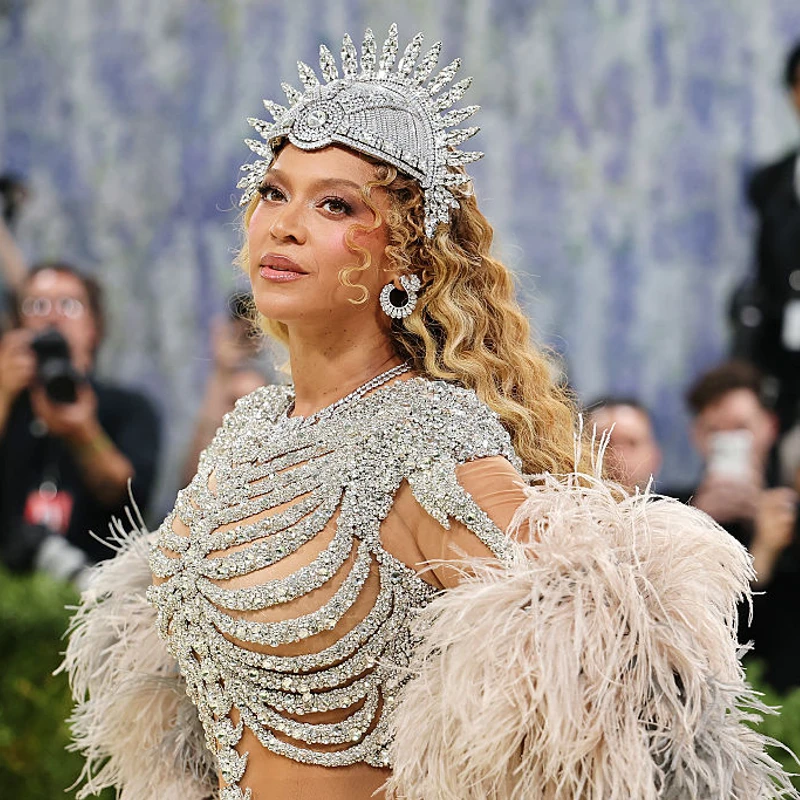
    Get ready, Beyhive! Harvard University is diving deep into the cultural impact of Queen Bey with a brand-new course centered around her latest album, ‘Cowboy Carter.’ This isn’t just about appreciating the music; it’s about using Beyoncé’s artistry to explore critical issues in policy, technology, and social justice.

    American Requiem: More Than Just Music

    The course, officially titled “American Requiem: Beyoncé, Benefits and the Gap Between Promise and Delivery,” is being taught by Ayushi Roy, an adjunct lecturer at the Harvard Kennedy School. It leverages the Grammy-winning ‘Cowboy Carter’ to examine how digital technology can be used to enhance government services, particularly for marginalized communities.

    Roy was inspired by the album’s powerful themes. She noticed a parallel between the overlooked women and marginalized groups highlighted in Beyoncé’s work and the often-inadequate design and delivery of government assistance programs like Medicaid and SNAP.

    Unpacking Black Erasure and Policy Gaps

    As Roy explained to The Harvard Gazette, Beyoncé frames ‘Cowboy Carter’ as a conversation about the erasure of African American people from country music. However, Roy sees this as a broader commentary on Black erasure from the ‘body politic’ itself, not just a specific genre. This insight became a cornerstone for the course’s curriculum.

    Roy’s hope is to encourage the next generation of policymakers to think more broadly about what constitutes effective policy. The class delves into songs like ‘Protector,’ which touches on motherhood, while inviting officials to discuss real-world challenges, such as the complexities of child welfare systems and parental reunification.

    Bridging Technology and Government Implementation

    To make these concepts tangible, students in the course have been working on practical projects. One team developed a child reunification simulation program, mapping out the intricate process that includes lengthy court hearings and mandatory parenting classes. This hands-on approach aims to deepen their understanding of the systemic challenges involved.

    Roy, drawing from her own extensive experience in government, emphasizes that building technology is often the simpler part. The real challenge lies in navigating political feasibility and ensuring successful implementation. She stresses that simply applying private sector tech practices to government isn’t the solution; it’s about cultivating a generation of professionals who critically analyze implementation strategies.

    What do you think about using popular culture like Beyoncé’s ‘Cowboy Carter’ to teach complex policy issues? Let us know your thoughts in the comments!