Remember that shocking moment at the BAFTA Awards back in February 2026 when the N-word was shouted during a presentation? It definitely turned a celebratory night into something much more somber. Well, BAFTA has now released the findings from an independent investigation into the incident, and it turns out the issue wasn’t what many initially suspected.
Instead of finding evidence of institutional racism, the review pointed to significant “structural weaknesses” in how the event was planned and managed. This has led BAFTA to issue apologies to those directly impacted, acknowledging the real pain and distress caused by the incident.
What Exactly Happened?
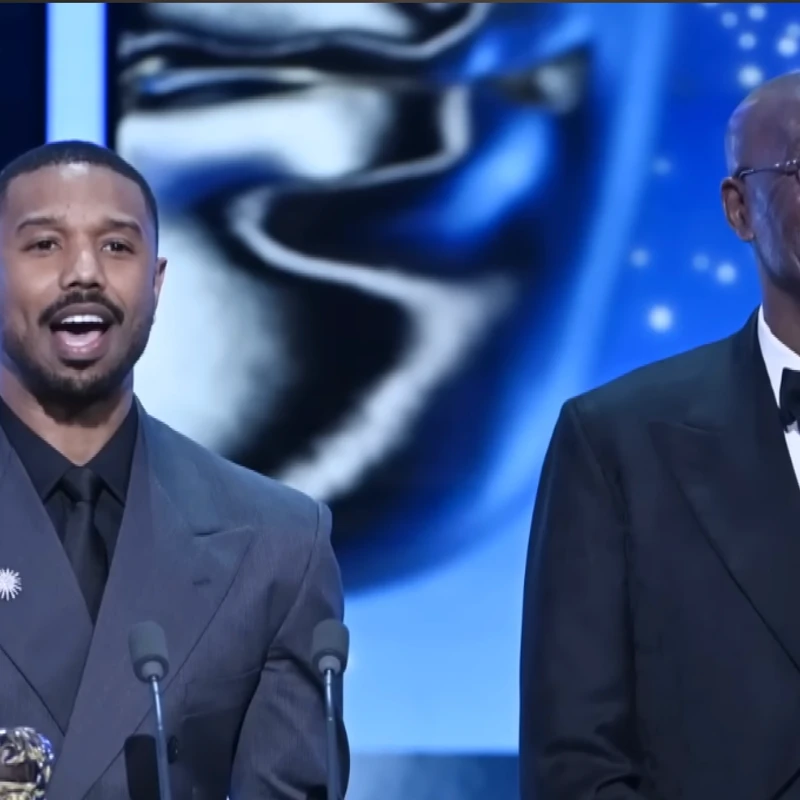
The incident occurred on February 22, 2026, while actors Michael B. Jordan and Delroy Lindo were on stage. A shout from the audience, specifically the N-word, interrupted their presentation. It was later identified that the shout came from John Davidson, a Tourette activist attending the event for a film inspired by his experiences.
It was explained that Davidson’s Tourette’s syndrome caused him to involuntarily shout out slurs, including the N-word, along with other curse words throughout the evening. This explanation, however, didn’t stop criticism from flowing towards BAFTA and the BBC for allowing such an incident to occur and be broadcast.
The Independent Review’s Findings
The independent review, conducted by RISE Associates, meticulously examined the events. They found no “evidence of malicious intent” from anyone involved in organizing or executing the event. However, the report highlighted critical flaws in BAFTA’s operational setup.
Specifically, the review cited weaknesses in BAFTA’s planning, its procedures for handling escalating situations, and its crisis coordination. The organization apparently underestimated the risks associated with a live broadcast and failed to act on early warning signs.
Why It’s Not Institutional Racism
The review team was careful to distinguish between the incident’s cause and institutional racism. They explained that institutional racism involves deeply embedded racial bias within systems, policies, and culture, leading to discriminatory outcomes regardless of individual intent.
The evidence, according to the review, didn’t support this conclusion for the BAFTA incident. Instead, it suggested that BAFTA’s planning and risk management systems simply hadn’t evolved to keep pace with its stated diversity goals. It was a failure in process, not prejudice baked into the system.
BAFTA’s Response and Apologies
Following the review’s conclusions, BAFTA sent an email to its members on April 10, 2026, offering apologies. They specifically addressed the Black community, recognizing the “real pain, brutality, and trauma” associated with the racist language used.
The organization also apologized to the disability community, particularly those with Tourette Syndrome, who faced unfair judgment and stigma due to the incident. BAFTA stated that what should have been a moment of celebration was overshadowed and that they had reached out to everyone directly affected.
What are your thoughts on the findings of the BAFTA investigation? Do you think ‘structural weaknesses’ is an adequate explanation? Share your perspective in the comments below!