Category: Arts and Culture Features

  • Dance Theatre of Harlem Honors Fatima Robinson

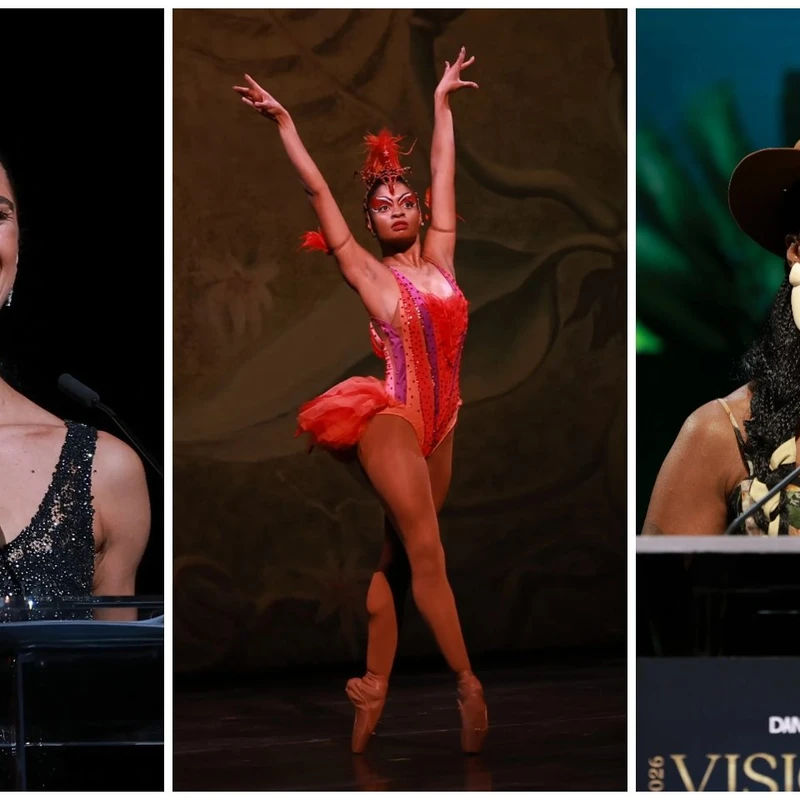
    The annual Dance Theatre of Harlem Vision Gala, held on April 17th at the Performance New York City Center, was more than just a fundraising event; it was a vibrant celebration of artistic legacy and visionary leadership. The evening honored two influential figures, choreographer Fatima Robinson and BET CEO Scott Mills, while raising crucial funds for community, arts, and health initiatives.

    With over $1.3 million raised, the gala successfully supported the organization’s mission, coinciding with the opening of Dance Theatre of Harlem’s New York season. The event flowed seamlessly from the Performance NYC Center to the Ziegfeld Ballroom, creating a dynamic and engaging experience for all attendees.

    Fatima Robinson Honored with Arthur Mitchell Vision Award

    The highlight of the evening was the presentation of the Arthur Mitchell Vision Award to Fatima Robinson. This prestigious honor celebrates artists who have made a lasting impact on the arts, embodying the bold and trailblazing spirit of Dance Theatre of Harlem’s co-founder, Arthur Mitchell.

    Rosie Perez opened the tribute to Robinson, praising her as a creative force who has reshaped hip-hop and visual culture, influencing generations of artists. Robinson’s extensive career includes work on major films like ‘The Color Purple’ (2023), global tours such as Beyoncé’s Renaissance Tour, and high-profile productions like the Grammy Awards and Beyoncé’s 2022 Oscars performance. Her three Emmy nominations underscore her significant contributions to the entertainment industry.

    A Performance Reflecting Robinson’s Influence

    In a unique tribute, Artistic Director Robert Garland presented an original ballet piece. Danced to music by icons like Aaliyah and Michael Jackson—artists whose work Robinson helped shape—the performance masterfully blended classical ballet with contemporary culture, creating a piece that felt both fresh and deeply personal, a true reflection of Robinson’s artistic fingerprint.

    When Kenny Leon presented Robinson with the award, her acceptance speech focused on the importance of trusting one’s inner voice, earning her a standing ovation. The evening also celebrated BET CEO Scott Mills, who received the Virtuoso Award for his contributions to Black storytelling in television, presented by Stephen Hill and joined by Chanté Moore.

    A Star-Studded Evening

    The gala attracted a constellation of creative talent, with notable attendees including Misty Copeland, fresh off her Oscars performance, Jordan Cooper, Adrienne Warren, Mickalene Thomas, Abby Phillip, and Bevy Smith. The Host Committee itself represented a broad spectrum of influence across art, media, and culture.

    As the formal program concluded, DJ D-Nice transformed the ballroom into a vibrant dance floor, capping off an evening that successfully honored artistic legacies while pulsating with the energy of future innovation. The Vision Gala continues to be a highly anticipated event, celebrated not only for its glamour but for its vital purpose in supporting the arts.

    What are your favorite works choreographed or directed by Fatima Robinson? Share your thoughts on the importance of honoring artistic visionaries like her in the comments below!

  • Why Michael Jackson’s Biopic is Simply Called ‘Michael’

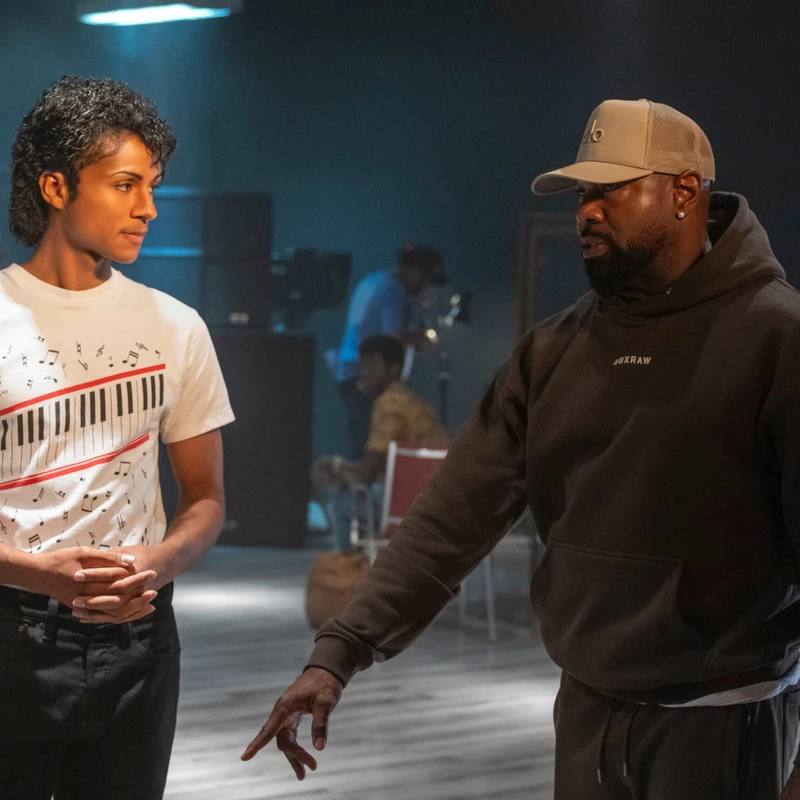
    When you hear the name Michael Jackson, what comes to mind? For many, it’s a whirlwind of iconic songs, unforgettable dance moves, and a larger-than-life persona. But what about just… Michael? That subtle yet profound shift in focus is precisely why director Antoine Fuqua and producer Graham King chose the simple, intimate title ‘Michael’ for their upcoming biopic.

    Fuqua explained the intentionality behind the title during a panel discussion in Berlin. “We all know Michael Jackson, but the human is in Michael,” he shared. The goal wasn’t just to showcase the global superstar, but to offer a closer look at the man behind the legend.

    Beyond the Icon: Exploring the Human Side

    The film aims to be more than just a concert reenactment. Fuqua wants audiences to feel as though they’re getting closer to the real Michael, experiencing his life in a more personal way. “The superhero, Michael, we know who that is, so we wanted to get you as close as you can to being at a Michael Jackson concert, but also getting to know him in a different way,” he elaborated.

    This approach positions ‘Michael’ as a heartfelt tribute, a ‘love letter’ to the person, rather than a conventional biopic. For those who grew up with his music, it promises an emotionally resonant journey. For newer generations discovering his artistry, it offers a powerful introduction to the man behind the enduring myth.

    The Power of Quiet Moments

    Nia Long, who portrays Katherine Jackson, emphasized that the film’s strength lies in peeling back the layers and revealing the star’s life behind the scenes. “We’re telling the story through Michael’s eyes,” she revealed, noting that she learned surprising details about his spirituality and practice of manifestation.

    The concept of ‘quiet’ moments kept recurring during discussions about the film. For a life lived so publicly, it’s in these still spaces that the film suggests his truest self emerged. “It was the quiet moments in between when you get to know who Michael was and see some of his insecurities,” Fuqua noted.

    Vulnerability and Discipline

    Colman Domingo, who plays Joseph Jackson, shared his approach to the role, focusing on finding the patriarch’s “secret spaces of vulnerability.” This commitment to exploring the human complexities seems to have been a shared endeavor among the cast.

    Long reflected on the film’s atmosphere, describing a “huge spiritual presence” that made the process feel magical. This sense of something special lingers, reminding viewers that behind the unparalleled entertainer was a man navigating his own journey of self-discovery, much like everyone else.

    Ultimately, Michael Jackson’s legacy, as highlighted by Long, is a powerful reminder: “For a man who was such a huge star… he taught us to remember, to be quiet and to spend time with self, because that’s [what’s] most important.” The film ‘Michael’ aims to bring that profound message to the forefront.

    What are your expectations for the ‘Michael’ biopic? What do you hope to learn about the man behind the music icon? Share your thoughts in the comments below!

  • Kenya Barris Explores Humanity in ‘Jerry West: The Logo’

    When Kenya Barris embarked on directing “Jerry West: The Logo,” he initially set out to capture the story of a basketball legend. However, his journey into the life of Jerry West revealed something much deeper: the profound humanity behind the iconic figure. Barris aimed to share this personal discovery with audiences, hoping they’d learn as much about the man as they would about the sport.

    The documentary delves into the emotional weight that often accompanies greatness, moving beyond just the wins and losses on the court. It explores themes of identity, the immense pressure of living up to a legendary status, and the personal sacrifices made along the way. Barris himself admitted the film’s emotional depth was more significant than he initially anticipated, describing it as “heavy.”

    Humanizing the Icon

    Instead of solely mythologizing Jerry West, Barris focused on humanizing him, peeling back the layers of a man often reduced to his symbolic representation. “The thing that I took away… was how funny he was,” Barris shared. He also highlighted West’s sweet interactions with his grandchildren, painting a picture of a man with a warm, humorous side often unseen by the public.

    A distinctive creative choice in the film is Barris’s on-screen presence. He appears at various points, posing questions and guiding the narrative, inspired by Spike Lee’s documentary style. Barris explained this wasn’t self-serving but rather an effort to foster a conversational and intimate tone, reflecting the developing friendship between him and West.

    A Personal Touch: Visuals and Reenactments

    The documentary’s visual language further enhances its personal feel. Barris’s own handwriting is incorporated throughout, framing key moments and even appearing in the credits, reinforcing the idea of a “personal essay.” This approach allows West’s complex journey, including his difficult childhood marked by poverty and abuse in West Virginia, to unfold gradually.

    While old photos offer glimpses into his past, challenging moments are brought to life through animation. Barris praised animator Mark Davis for his exceptional work, noting that Davis’s personal attachment to the story allowed for a stripped-down, impactful visual style that truly resonated.

    The Logo’s Legacy and Star Power

    Barris deliberately holds back the story of Jerry West becoming the NBA’s logo until the film’s conclusion. He wanted to first establish that West “absolutely earned it” through his journey. This narrative structure allowed Barris to explore his own evolving understanding of West’s place in basketball history.

    The documentary boasts an impressive roster of interviewees, including basketball giants like Magic Johnson, Michael Jordan, Shaquille O’Neal, and Jeanie Buss. Barris credits West’s own influence for securing many of these high-profile participants, noting that “Jerry’s presence got a lot of yeses really quick.” Securing Jeanie Buss, however, proved more challenging initially, with concerns about the film’s approach, but she ultimately participated.

    Directing a documentary offered Barris a new creative outlet, which he described as “purity in story.” Unlike scripted projects, documentaries require a different discipline, allowing the narrative to form organically. This unpredictability is something Barris found exciting, expressing a desire to direct more documentaries in the future.

    Ultimately, “Jerry West: The Logo” transcends basketball, offering a poignant exploration of what it means to carry greatness—with all its imperfections and costs. Barris hopes audiences will not only learn about Jerry West but also feel a connection to the human story behind the legend. The documentary is now streaming on Prime Video.

    Have you watched ‘Jerry West: The Logo’? What aspects of Jerry West’s story resonated most with you? Share your thoughts in the comments below!