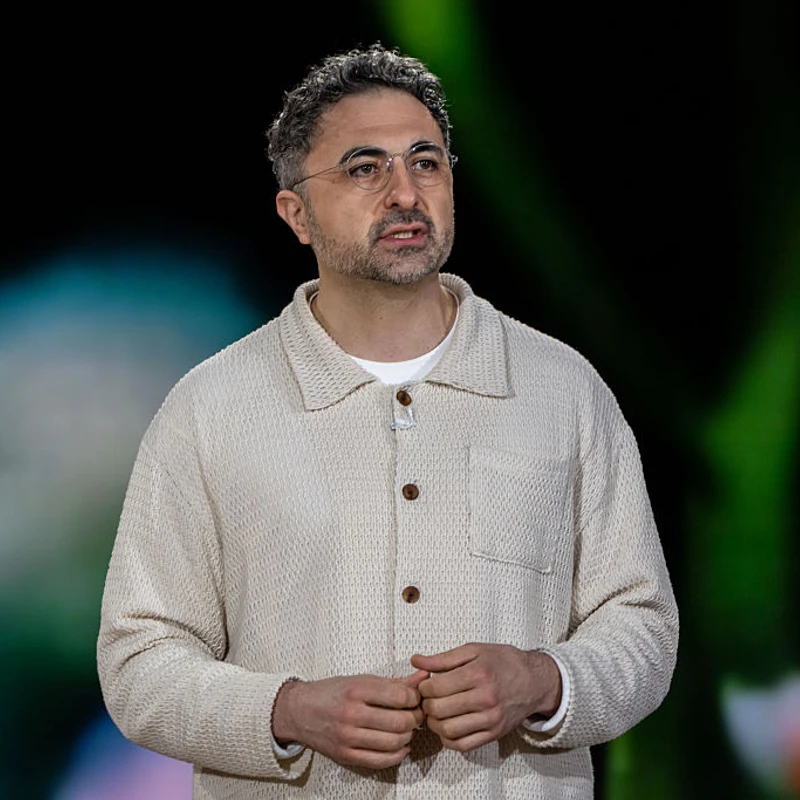
Get ready for a potential shake-up in the professional world! Mustafa Suleyman, the CEO of Microsoft AI, has issued a stark warning: artificial intelligence might be poised to replace a significant number of white-collar professionals in the very near future. His prediction? Many jobs, from lawyers and MBAs to project managers and marketers, could be fully automated within the next 18 months.
A Stark Prediction for Professionals
Suleyman shared his concerns with the Financial Times, stating that AI systems are rapidly approaching ‘human-level performance on most, if not all, professional tasks.’ He specifically pointed to the accelerating growth in computing power as a major factor that could significantly impact the labor market. As AI models become more sophisticated, they could potentially outperform human coders and knowledge workers on complex assignments.
This isn’t just an isolated opinion. Suleyman’s views align with a growing number of tech leaders and CEOs who are expressing unease about AI’s potential to disrupt the job market. Leaders like Sam Altman, CEO of OpenAI, have also voiced concerns about the rapid pace of AI advancement and its transformative effect on professional roles.
Current Impact vs. Future Potential
While the predictions are dramatic, the actual impact of AI on white-collar jobs so far has been more limited. A 2025 report indicated that professionals like lawyers and accountants are primarily using AI for specific tasks, such as document review, leading to modest productivity gains rather than widespread job displacement. In some instances, AI tools have even been found to decrease efficiency.
However, there are emerging signs of AI contributing to job cuts. Reports from late 2025 and early 2026 indicate that AI-related factors have been cited in thousands of layoffs, particularly within the tech sector. Employment consultants note that while AI might not be directly replacing jobs one-to-one yet, the significant investment in AI development means resources are being reallocated, impacting roles.
What Does This Mean for You?
Suleyman’s prediction serves as a wake-up call. Whether AI fully automates tasks in 18 months or takes longer, the trend points towards significant changes in how we work. Professionals across various industries may need to adapt, upskill, or focus on roles that require uniquely human skills like complex problem-solving, creativity, and emotional intelligence.
What are your thoughts on Mustafa Suleyman’s prediction? Do you believe AI will automate most white-collar jobs in the next 18 months? Share your perspective in the comments below!