As the artificial intelligence industry rapidly expands, fueled by massive investments, Democratic lawmakers and civil rights advocates are taking a stand. They are urging Congress to pass new legislation aimed at protecting Black Americans and other marginalized groups from the pervasive issue of algorithmic bias.
The AI Civil Rights Act: A Call for Protection
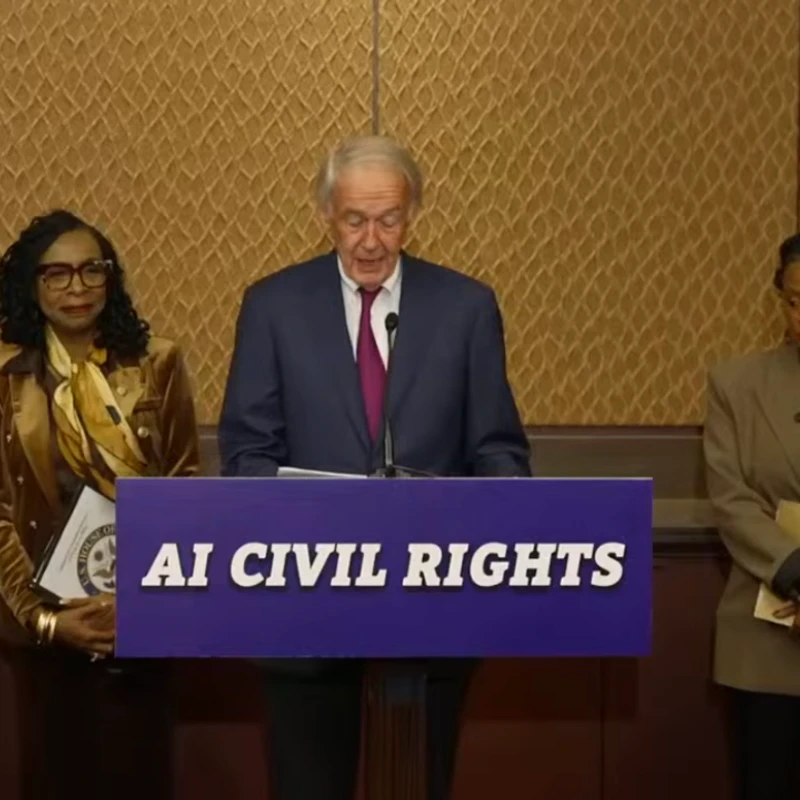
On Tuesday, a group of Democrats reintroduced the Artificial Intelligence Civil Rights Act. U.S. Rep. Yvette D. Clarke, D-N.Y., chairwoman of the Congressional Black Caucus, emphasized the urgent need for trust in AI systems. “We need to be able to trust that when as we, as Black Americans, go to apply for a bank loan, secure employment or even enter our own homes, we will not be denied on the basis of algorithmic bias,” she stated.
Clarke, alongside Reps. Summer Lee (D-Pa.), Pramila Jayapal (D-Wash.), and Senator Ed Markey (D-Mass.), are co-sponsoring the bill. This legislation, first proposed by Senator Markey in 2024, seeks to establish crucial protections for individual rights concerning computational algorithms. “Americans have the same civil liberties online as they do wherever else they live their lives,” Clarke asserted, deeming any further inaction on AI abuses “totally unacceptable.”
The Problem of Biased Algorithms
Senator Markey highlighted the inherent bias in AI tools, referring to it as the “AI garbage problem.” He explained that biased data inevitably leads to biased results. He cited numerous studies from 2019 to 2025 that reveal racial bias in AI applications. Examples include mortgage approval algorithms disproportionately rejecting Black applicants, AI models failing to diagnose liver disease in women, and resume screening tools frequently overlooking Black men based on their names.
Congresswoman Lee illustrated the issue with a hypothetical scenario of a single mother being denied housing not by a person, but by an algorithm. She pointed out that the burden often falls on already disadvantaged communities, including Black and Brown individuals, immigrants, and the working class, who face systemic challenges.
Advocates Demand Oversight and Equity
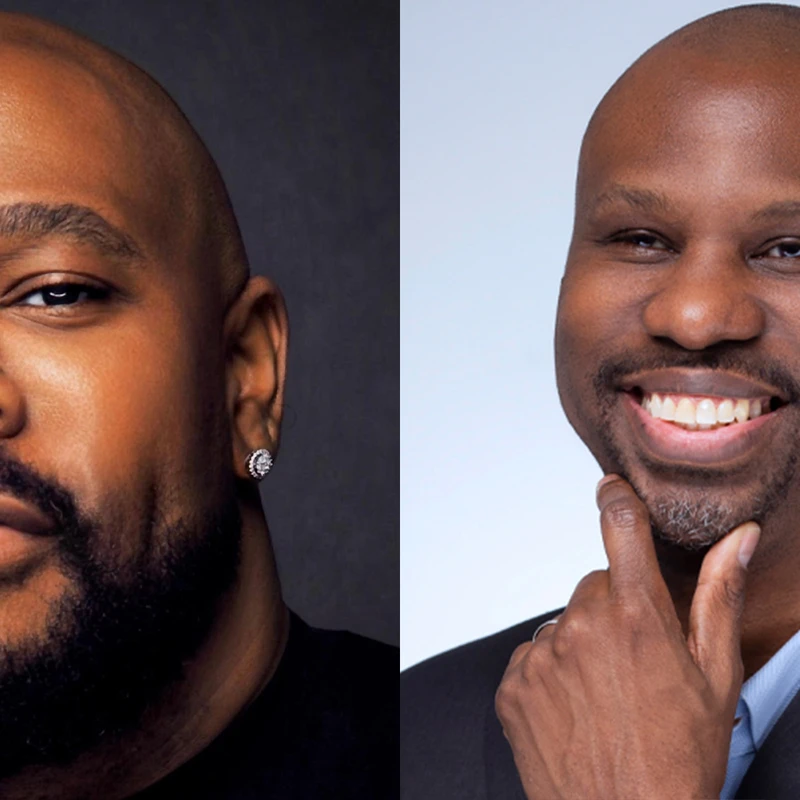
Civil rights leaders Maya Wiley, president and CEO of The Leadership Conference on Civil and Human Rights, and Damon Hewitt, president and executive director of Lawyers’ Committee for Civil Rights Under Law, joined the lawmakers. Hewitt decried the lack of oversight and even acknowledgment of the abuses stemming from biased AI tools. He noted that these technologies are often built with data reflecting historical discrimination, leading them to replicate and reinforce racial biases, especially since development teams often lack diversity.
Wiley stressed that the AI Civil Rights Act is fundamentally about civil rights, which she believes are under threat. She emphasized the legislation’s role in shaping a future where civil rights are protected in the age of AI, calling artificial intelligence a “paradigm shift.”
- The AI Civil Rights Act aims to protect individuals from biased algorithms.
- It addresses discrimination in areas like loan applications, employment, and housing.
- Studies show AI tools exhibit racial bias, disproportionately affecting Black applicants.
- The legislation seeks to ensure equitable treatment in the digital age.
This legislative effort signifies a critical moment in addressing the ethical implications of AI. By introducing the AI Civil Rights Act, lawmakers and advocates are pushing for accountability and a future where technology benefits everyone, not just a select few.
What are your thoughts on the AI Civil Rights Act? Do you believe current AI systems are biased? Share your opinions in the comments below!