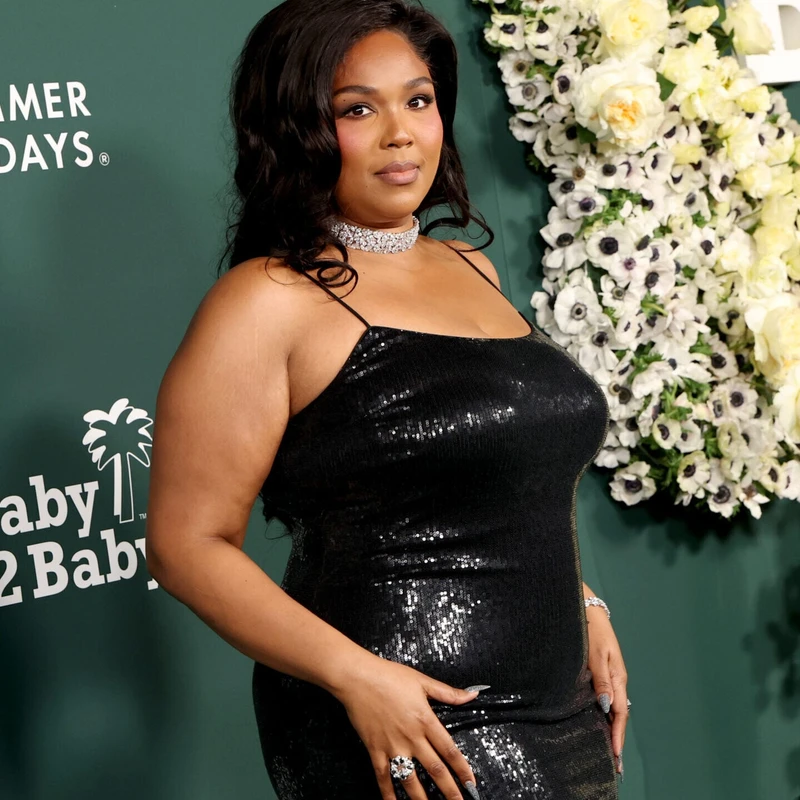
In today’s hyper-connected world, ‘cancel culture’ is a term we hear all too often. But what if facing criticism, even being ‘canceled,’ is actually a necessary part of life? That’s the provocative stance Grammy-winning artist Lizzo is taking. The 37-year-old singer recently shared her unique perspective in a candid Substack essay, suggesting that everyone should experience being canceled at least once.
From ‘Good Person’ to ‘Canceled’
Lizzo, who grew up in a strict Pentecostal church, explained in her essay, ‘CANCEL ME (AGAIN): A “cancelled” woman’s take on why everyone should get cancelled at least once,’ that she was initially conditioned to be a ‘Good Person.’ This upbringing instilled a deep desire to be obedient and well-regarded. However, she found this foundation clashed with the reality of online criticism, where ‘lies are easy to believe and the truth is hard to prove.’
The singer, known for her empowering anthems, has faced numerous instances of public backlash throughout her career. She recalls a particularly intense period in 2019 after wearing a revealing outfit to a Lakers game. Despite being celebrated by the crowd at the time, the next morning brought a flood of negative headlines, body-shaming comments, and even death threats. ‘I was cancelled, baby—and it felt like sh—,’ she admitted.
Embracing Imperfection in the Digital Age
Lizzo lists other instances where she faced criticism, from announcing a juice cleanse and wearing a mask to playing a crystal flute, crying, complaining, and even for making music for Black women or unknowingly using a slur. Through it all, she’s learned a valuable lesson: trying to please everyone is an impossible task, especially in today’s highly sensitive online environment.
Her advice? ‘Live like the internet doesn’t exist, don’t censor yourself to the unrealistic standards of people who aren’t even perfect themselves.’ Instead of striving for unattainable perfection, Lizzo is embracing her imperfections, adopting a ‘b—y, sloppy— wabi sabi!’ attitude. She believes that unintentional hurt is inevitable, and the key is to navigate it with authenticity rather than fear.
Lizzo’s perspective challenges the often-harsh nature of online discourse, suggesting that facing criticism can be a catalyst for growth and self-acceptance. By encouraging others to embrace their ‘canceled’ moments, she promotes a more forgiving and authentic approach to public life.
Do you agree with Lizzo that everyone should be canceled at least once? How do you navigate online criticism? Share your thoughts in the comments below!
Leave a Reply