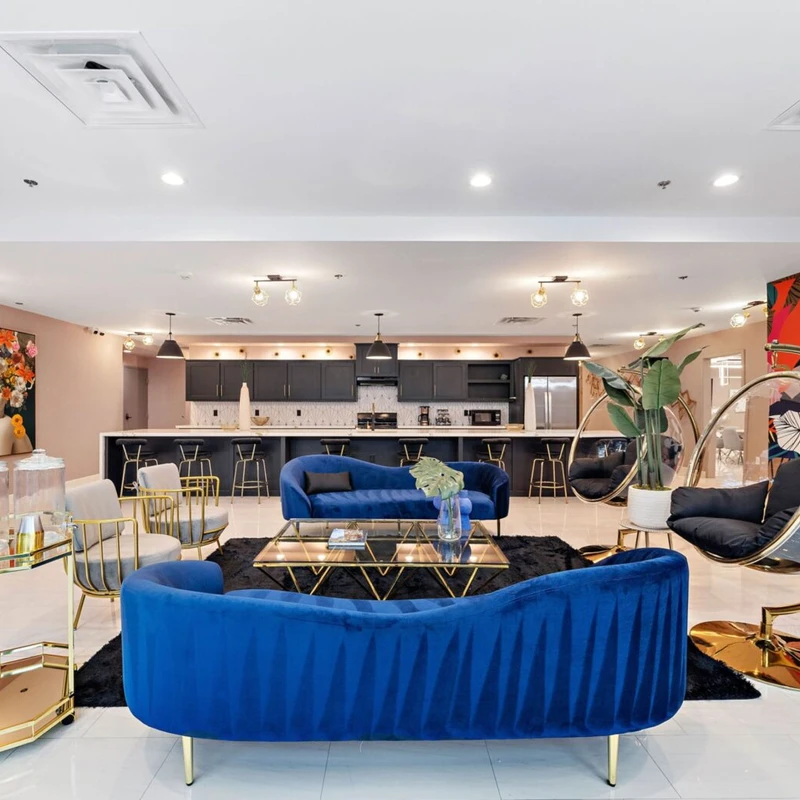
Imagine walking into a hotel and being greeted by name before you even introduce yourself. That personal touch, that immediate sense of belonging – it’s a feeling that Black-owned stays consistently provide. In an industry where Black ownership represents less than 3% of hotels in the U.S., these spaces are more than just lodging; they are vital safe havens, cultural anchors, and community builders.
The Power of Belonging: Deidre Mathis’s Vision
Deidre Mathis, founder of Wanderstay Hospitality Group, made history by opening the first Black-owned hostel in the United States. Since launching Wanderstay Houston Hostel in 2018 and the Wanderstay Boutique Hotel in 2023, she’s received heartfelt messages from guests touched by the profound sense of recognition and community fostered by her staff. “This makes me so happy,” Mathis shares. “It means our staff are going out of their way to get to know our guests and build a connection.”
This level of personal connection is often absent in larger hotel chains, where travelers can feel like just another number. Mathis’s properties, however, demonstrate the powerful impact of representation in hospitality, creating spaces where guests feel seen, valued, and truly welcome.
A Legacy of Safety and Self-Discovery
The need for safe and affirming spaces for Black travelers is deeply rooted in history. The creation of the Green Book in a bygone era was a direct response to the dangers Black individuals faced while traveling. It served as a guide to safe routes, lodging, and dining, enabling journeys of safety, freedom, self-discovery, and cultural affirmation.
Today, Black-owned hotels continue this legacy. They are not merely businesses but crucial refuges that honor heritage and foster community. Mathis’s own journey, inspired by her travels after college, led her to fill a gap in Houston’s market for affordable, inclusive, and community-focused accommodations.
Investing in Community, Building Dreams
Mathis’s commitment extends beyond her guests; she actively reinvests in her community. Her Wanderstay Boutique Hotel project was completed by approximately 90% Black-owned businesses, from interior design to woodwork and front office design. “I feel such a sense of pride that our project was 90% Black done,” she exclaims.
Despite the challenges of competing with larger brands, Mathis is dedicated to breaking down barriers for aspiring hoteliers, especially from underrepresented communities. She hosts workshops at Wanderstay Boutique Hotel, empowering others to create their own dream lodging spaces.
Airbnb Hosts Carry the Torch
The spirit of hospitality and community extends to smaller-scale ventures, like Natina Hill’s Airbnb in Atlanta. For Hill and her husband, owning a bed and breakfast was a lifelong dream fueled by their love for hosting. Their property, listed as one of Airbnb’s most-loved homes, offers guests a warm, “at home” feeling.
“It matters to us because with so little Black representation, it allows people to feel safe,” Hill explains. “It also means something to us to be able to preserve the legacy and history of the Green Book, when we created our own safe spaces to go.” Guests often become like extended family, enjoying Hill’s signature sweet potato cake and forming lasting friendships. The couple plans to expand their property by adding tiny homes, further cultivating the community they’ve built.
- Black ownership in the U.S. hotel industry is less than 3%.
- Black-owned stays offer a sense of belonging and recognition.
- They serve as modern-day safe spaces, continuing the legacy of the Green Book.
- Owners like Deidre Mathis and Natina Hill prioritize community and reinvestment.
- These accommodations foster cultural affirmation, autonomy, and intergenerational pride.
Black-owned hotels and lodging symbolize autonomy, heritage, healing, and connection. They contribute significantly to local economies, preserve cultural narratives, and build intergenerational pride. In a world where Black travelers have historically navigated with caution, these stays offer more than just a place to rest their heads – they offer a profound sense of freedom.
Have you ever stayed at a Black-owned accommodation? Share your experience and why you believe these spaces are important in the comments below!
Leave a Reply