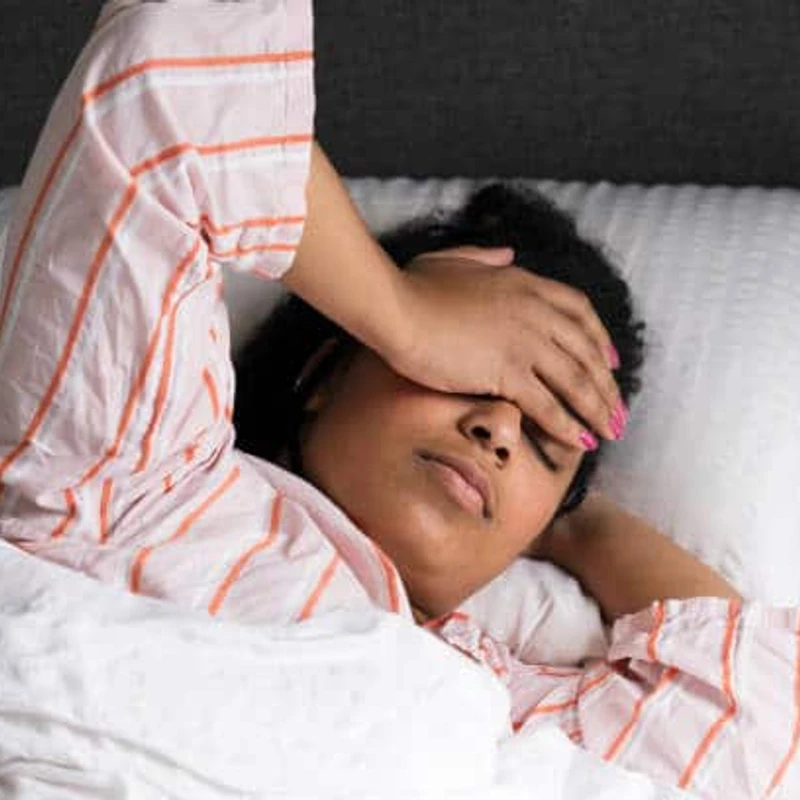
When you wake up drenched in sweat, it can be alarming. While many associate night sweats with menopausal hot flashes, the reality is that excessive sweating during sleep can affect anyone – men and women alike – for a variety of reasons. It’s more than just a common annoyance; it can sometimes signal an underlying issue.
What Exactly Are Night Sweats?
Night sweats are defined as episodes of heavy perspiration during sleep that are severe enough to soak your nightclothes or bedding. While hot flashes are a frequent culprit, especially for women going through menopause, they are far from the only cause. Understanding the potential triggers is key to finding a solution.
For men, low testosterone levels, also known as male hypogonadism, can be a contributing factor. This condition affects a significant percentage of men over 45 and even a portion of healthy men over 60. Beyond hormonal changes, environmental factors like a too-warm bedroom or heavy sleepwear can also lead to overheating and sweating.
Common Causes to Consider
The list of potential causes for night sweats is quite extensive, ranging from lifestyle factors to serious medical conditions. Here are some of the most common culprits:
- **Anxiety or Stress:** Emotional distress can alter body temperature, heart rate, and metabolism, leading to sweating.
- **Idiopathic Hyperhidrosis:** This condition involves chronic excessive sweating without an identifiable medical cause.
- **Medications:** Certain drugs, including acetaminophen, aspirin, antidepressants, and psychiatric medications, can cause night sweats as a side effect.
- **Sleep Apnea:** This common sleep disorder is frequently associated with night sweats.
- **Infections:** Bacterial infections like tuberculosis, HIV, and osteomyelitis can manifest with night sweats.
- **Cancers:** Night sweats can be an early symptom of certain cancers, most notably lymphoma.
- **Hypoglycemia:** Low blood sugar, especially in individuals using insulin or diabetic medication, can trigger sweating.
- **Hormone Disorders:** Conditions like carcinoid syndrome, hyperthyroidism, and pheochromocytoma can cause flushing and sweating.
- **Neurologic Conditions:** Though less common, conditions such as stroke, autonomic dysreflexia, and autonomic neuropathy can increase sweating.
- **Gastroesophageal Reflux Disease (GERD):** Stomach acid leaking into the esophagus can sometimes lead to night sweats.
Strategies to Combat Night Sweats
If you’re experiencing night sweats, there are several lifestyle adjustments that might help manage the symptoms. Avoiding common triggers, especially before bedtime, can make a difference. This includes limiting alcohol, caffeine, cigarettes, and spicy foods.
Simple cooling techniques can also provide relief. Try keeping a cool pack under your pillow and flipping it over for a cooler side. Sipping cool water throughout the night can help regulate body temperature. Additionally, incorporating stress-reducing activities like deep breathing exercises, light exercise, and relaxation techniques into your routine may be beneficial.
When to Seek Medical Advice
While occasional night sweats might not be cause for alarm, persistent or severe occurrences warrant a visit to your doctor. If your night sweats are regularly interrupting your sleep, or if they are accompanied by other concerning symptoms like coughing, diarrhea, fever, unexplained weight loss, or localized pain, it’s essential to get a professional medical evaluation.
Are you experiencing night sweats? What strategies have you found helpful? Share your experiences and tips in the comments below!
Leave a Reply