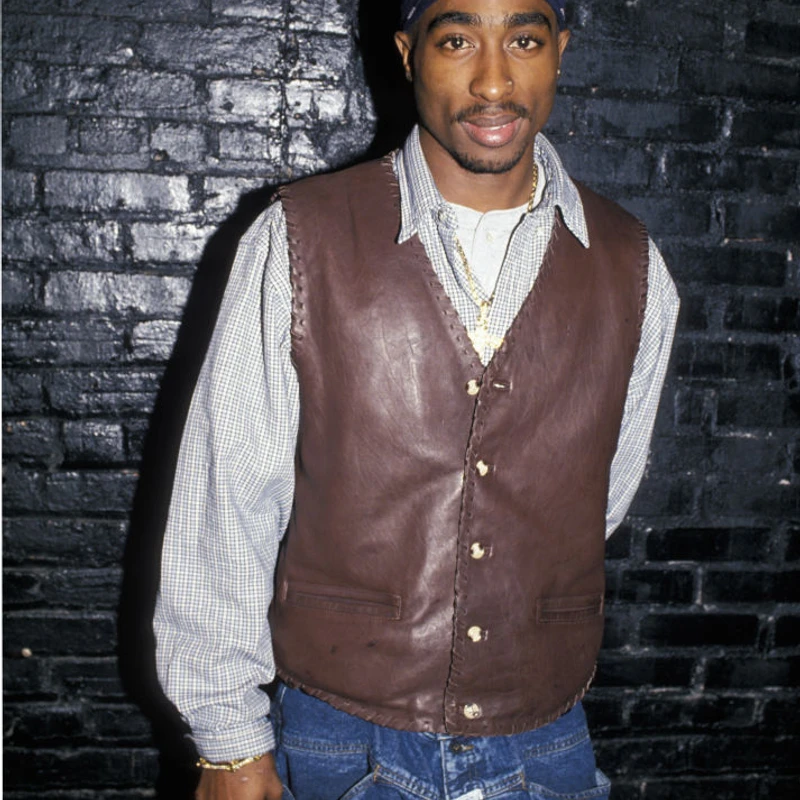
It seems like every few years, a new book or documentary emerges aiming to shed light on the complex life of Tupac Shakur. But a recent release is causing a stir, not for its insights into his music or activism, but for controversial claims that have fans up in arms. The hip-hop community is pushing back, accusing the author of tarnishing a legacy that continues to inspire.
New Book, Old Controversy?
Jeff Pearlman, known for his sports biographies, has released a new book titled “Only God Can Judge Me.” While it promises to delve into Tupac’s rise and artistry, it’s Pearlman’s recent comments that have ignited a firestorm. He claims to have reviewed old police files and interviews that reveal new, disturbing details about Tupac’s personal life.
During an appearance on E.D.I. Mean’s podcast, Pearlman alleged that he found police reports from other women detailing assaults by Tupac and his entourage, separate from the known 1994 incident. He also reportedly interviewed a woman who claimed she was taken advantage of after receiving a ride home from Tupac and his associates. However, a crucial point of contention is the lack of publicly available evidence to support these claims.
Fans React: Protecting a Legacy
The backlash was swift and intense. Social media exploded, with “Tupac” trending for hours as fans defended the late rapper. Many accused Pearlman of exploiting Tupac’s name for profit and using unverified allegations to create sensational headlines. The timing felt particularly disrespectful to fans who see Tupac as a cultural icon whose story should focus on his creativity, activism, and message.
Critics argue that making such serious allegations against an artist who can no longer defend himself is unfair and exploitative. Even readers initially interested in the book expressed disappointment, feeling that the focus had shifted from Tupac’s enduring influence to unnecessary controversy. His music, like “Dear Mama” and “Changes,” continues to resonate, and fans believe that legacy should be preserved.
A Broader Conversation
This uproar has also sparked a larger discussion about how posthumous stories, especially those of Black artists, are often told. There’s a concern that sensationalism frequently overshadows balanced reporting and verified research. Historians and fans are calling for more responsible storytelling that respects the artist’s legacy and the privacy of their families.
Tupac spoke for the voiceless. The least we can do is protect his name when he can’t speak for himself. — Social Media Fan Comment
Ultimately, fans want the narrative around Tupac Shakur to honor his contributions to culture, politics, and music, rather than being diluted by rumors and speculation. The desire is for respect, not just headlines.
What are your thoughts on how artists’ legacies are handled after their passing? Share your perspective in the comments below!
Leave a Reply