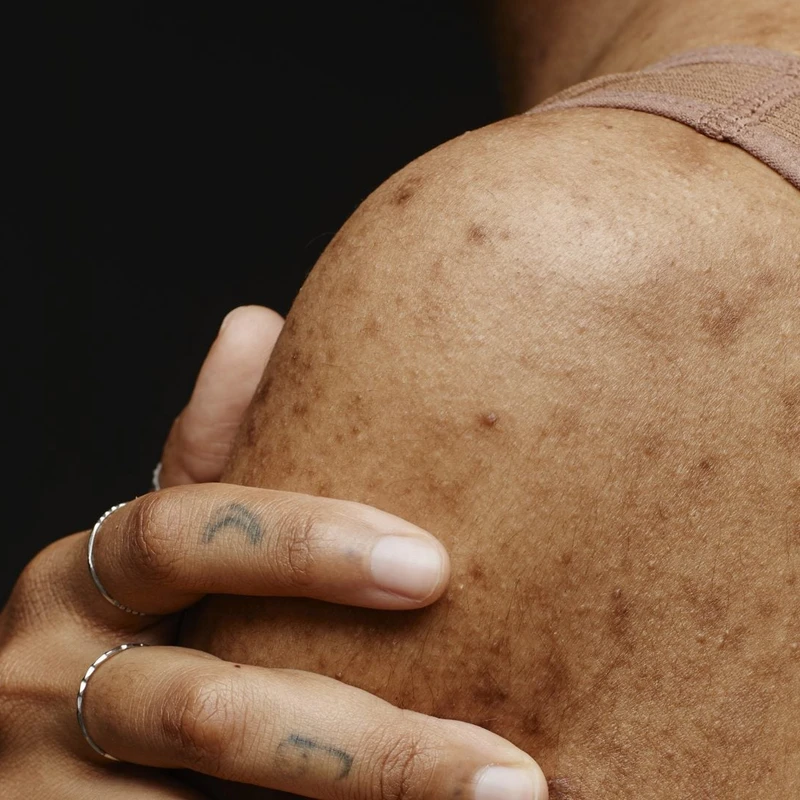
Are you tired of battling persistent skin issues like eczema, acne, or psoriasis? While dermatologists offer crucial medical treatments, the answer to clearer, healthier skin might lie closer to home – or rather, closer to your stomach. It turns out that the health of your gut microbiome plays a significant role in the appearance and well-being of your skin.
The Gut-Skin Axis: More Than Just a Connection
Dr. Zoe Indigo, a dermatologist who treats a range of chronic skin conditions, explains the deep connection between our gut and skin through the “gut-skin axis.” The immune system acts as the crucial link between these two systems. “Gut health” refers to the balance and diversity of microorganisms in our digestive tract and the integrity of our intestinal lining.
When these factors are compromised, it can lead to inflammation and irritation that manifests on the skin, our body’s largest organ. This inflammation can trigger flare-ups for conditions like atopic dermatitis (eczema), psoriasis, acne, rosacea, and even more complex issues like hidradenitis suppurativa and alopecia areata.
Understanding Your Triggers: Stress, Diet, and More
Dr. Indigo highlights that while each skin condition has unique triggers, stress is a universal antagonist. “The skin and mind are deeply connected, and emotional stress can fuel inflammation in almost every chronic condition,” she notes. Other common triggers include environmental changes, hormonal shifts, allergens, and diet.
When it comes to diet, certain foods are frequently implicated in skin flare-ups. Dairy, high-glycemic foods (sugars and refined carbs), alcohol, and processed items can worsen acne and rosacea. Psoriasis and hidradenitis suppurativa may be aggravated by alcohol, red meat, and other inflammatory foods. Conversely, a diet rich in antioxidants, omega-3 fatty acids, fiber, lean proteins, and fresh produce can significantly support healthier skin.
Holistic Remedies for a Balanced Approach
While medical interventions like prescription creams, oral antibiotics, or biologic therapies are vital, Dr. Indigo emphasizes a holistic approach for long-term management. This includes stress management techniques such as mindfulness, yoga, or journaling, ensuring adequate sleep, and practicing sun protection.
Dietary changes are key, focusing on reducing inflammatory triggers and increasing gut-friendly, nutrient-dense foods. Supplements can also play a supportive role. Omega-3 fatty acids are crucial for calming inflammation and supporting the skin barrier, while zinc is vital for wound healing and immune regulation. For stress-related flares, adaptogens like ashwagandha can help manage cortisol levels. Probiotics and prebiotic-rich foods (like kefir, sauerkraut, kombucha, garlic, onions, and bananas) are essential for rebalancing the gut microbiome.
Your Roadmap to a Healthier Gut and Skin
Dr. Indigo suggests a gradual, multi-step approach to integrating these changes:
- **Dietary Awareness:** Reduce inflammatory foods and increase whole, nutrient-dense options that support beneficial gut bacteria and strengthen the intestinal lining. Consider starting with a Vitamin D supplement for immune regulation.
- **Probiotic & Prebiotic Support:** Incorporate probiotic-rich foods or supplements, paired with prebiotic sources to nourish healthy gut microbes.
- **Hydration & Mindful Eating:** Drink plenty of water and practice mindful eating habits like chewing slowly and eating at regular times.
- **Lifestyle Practices:** Prioritize stress management, consistent sleep, and regular movement to balance gut and skin health.
- **Integrate with Medical Treatment:** Combine these holistic changes with your prescribed dermatological treatments, rather than replacing them. The goal is to build a strong foundation for your immune system and skin.
By taking small, consistent steps, you can create a synergistic approach that supports both your digestive and skin health, leading to a more radiant and resilient complexion.
Have you experienced the gut-skin connection firsthand? What strategies have worked best for you in managing chronic skin conditions? Share your insights in the comments below!
Leave a Reply