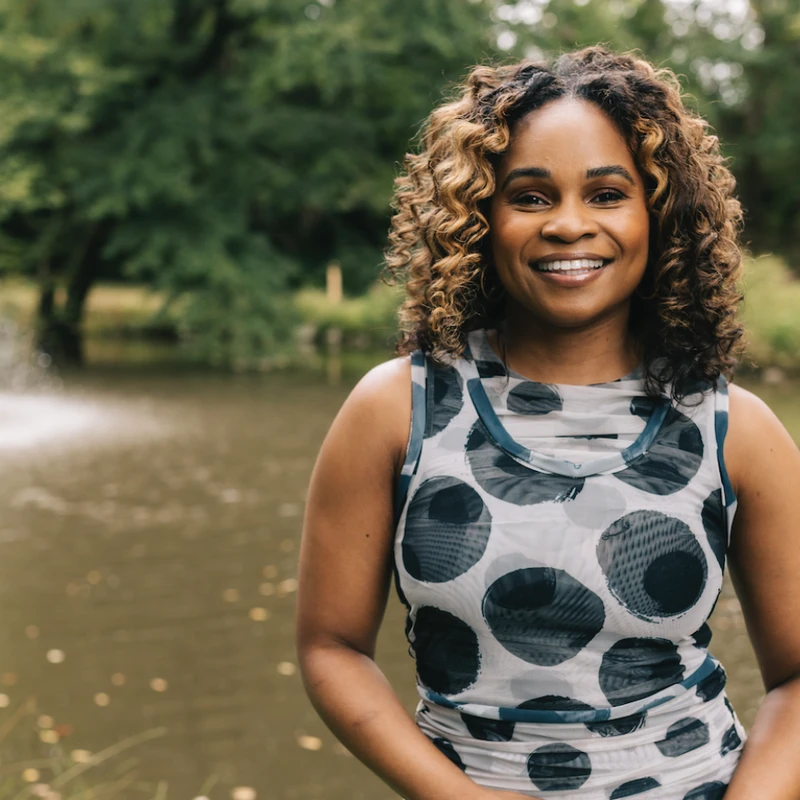
Ever wonder why Black women seem to be on the sidelines when it comes to venture capital funding? It’s a tough question, and the answer is more complex than just a lack of qualified candidates. Antonia Dean, a Partner at the Oakland-based VC firm Black Operator Ventures, is pulling back the curtain on the uncomfortable truths behind this persistent funding gap.
The Pipeline Problem: More Than Just Numbers
Black women founders receive less than 1% of all venture capital dollars. But the issue runs deeper: there are also significantly fewer Black women in decision-making roles within VC firms themselves. Dean explains that the problem starts much earlier in the career pipeline. The traditional path into VC often involves high finance roles like investment banking or private equity, or being an early employee at a successful startup with a major exit. Unfortunately, Black women are underrepresented at every stage of this traditional finance route.
Furthermore, with Black women founders receiving such a small fraction of funding, there are fewer large exits creating the next generation of Black women investors. This lack of access to both Wall Street experience and significant startup success stories means Black women often miss out on the crucial networking and experience needed to break into the VC world.
Structural Barriers and the Caretaker Role
Beyond the pipeline issue, Dean points to the demanding nature of the VC job itself. Long hours, unpredictable schedules, and the necessity of living in expensive hubs like San Francisco or New York create significant hurdles. “Black women are caretakers for our families, and we wear many hats, especially as a lot of us are the heads of our households. Being a VC is incredibly demanding,” Dean notes.
These structural barriers often force Black women to choose more flexible career paths, even when they possess the talent and ambition for venture capital. This results in the industry losing valuable talent and perspectives. While organizations like Black Women in VC and BLCK VC are working to support and mentor women, the overall numbers remain starkly low.
Resilience and Strategy for Black Founders
Dean acknowledges that Black founders have historically faced unequal access to capital. While there was a surge of attention post-2020, many of those dollars have since diminished. However, Black founders have developed incredible resilience and strategic thinking. They often focus on achieving product-market fit earlier, securing paying customers sooner, and building businesses that can thrive without constant VC infusions, anticipating that funding access might become challenging again.
Advice for Aspiring Black Women Investors
For Black women aspiring to break into VC, Dean emphasizes education: truly understanding venture capital as high-risk, high-reward investing. It’s crucial to develop an investment thesis and actively seek proximity to investors through networking and attending industry events. She also advises making small angel investments if possible, to build a track record.
- Educate yourself on VC fundamentals and math.
- Develop a clear investment thesis.
- Network actively within the startup ecosystem.
- Consider small angel investments.
- Believe in your own brilliance and contributions.
Dean’s core message is one of self-assurance: “Don’t let anybody make you feel like you don’t belong, or that you don’t have the experience, or can’t do the job. You do and you can.”
What It Takes to Change the Industry
True industry change, Dean believes, hinges on significant exits from Black-led startups. These major acquisitions or IPOs will signal to investors that biases have led them to miss out on substantial financial opportunities. Such exits create a cycle, generating new capital that can be reinvested into the next generation of Black entrepreneurs.
Beyond direct investment, Dean encourages broader support. This includes asking alma maters about their endowment investments in firms with Black women leaders, supporting Black-led startups by becoming customers, and advocating for Black women investors to be featured speakers at events. “The more visibility and support of Black women investors and Black-led startups is what’s going to move the needle,” she concludes.
What are your thoughts on the barriers Black women face in venture capital? What steps do you think are most crucial for change? Share your insights in the comments below!
Leave a Reply