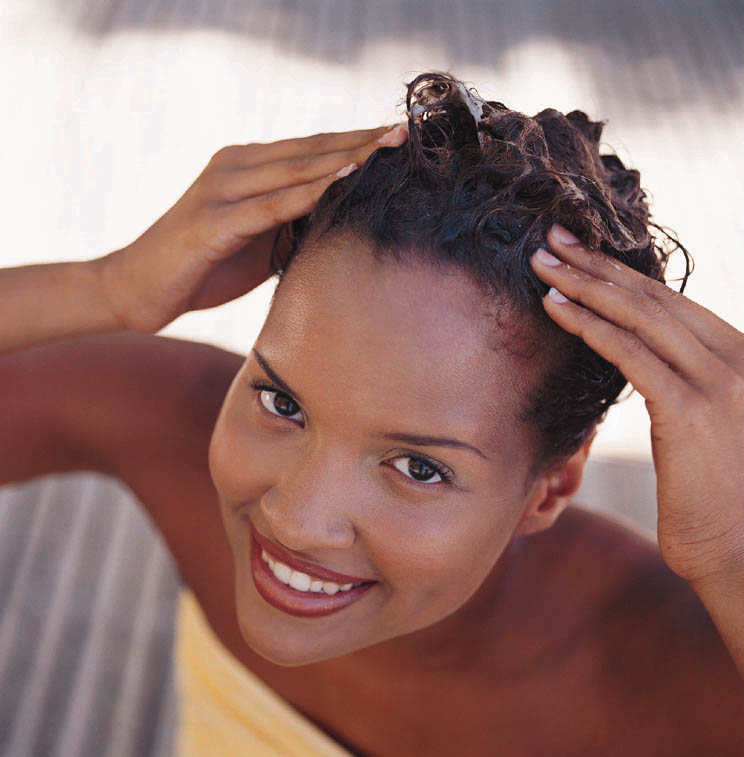
Is your hair feeling weighed down, flat, or just not living up to its full potential? If your coils and curls are looking dull or your scalp feels itchy, it might be time for a clarifying shampoo. Think of it as a deep clean for your hair, stripping away product buildup, hard water minerals, excess oils, and environmental pollutants that regular shampoos might leave behind. For Black hair, especially textured strands and protective styles, understanding how to use these powerful cleansers is key to maintaining health and ensuring your styles look their best.
What Exactly Does Clarifying Shampoo Do?
Clarifying shampoos contain more potent cleansing agents than your everyday shampoo. They are designed to thoroughly remove residue that accumulates on the hair and scalp over time. “Clarifying shampoo typically has more cleansing agents that strip away residue that accumulates on the hair and scalp over time,” explains Kay Cola, founder of OrganiGrowHairCo. “This is extremely important for scalp health and overall hair health.”
Ladosha Wright, a trichologist and RevAir’s resident expert, adds that this concentrated formula provides a more thorough cleanse, leaving hair feeling “firm and squeaky clean.” For textured hair, this means preventing issues like an itchy scalp, dandruff, or product buildup that can flatten natural curl patterns.
Signs You Need to Clarify Your Hair
Both Cola and Wright emphasize that clarifying is crucial for maintaining healthy curls, coils, and waves, especially if you frequently use protective styles or heavier styling products. Here are the key signs that indicate it’s time for a clarifying treatment:
- Hair feels weighed down or flat.
- Scalp feels itchy or flaky.
- Hair has a dull appearance with little bounce or volume.
- After wearing a protective style or using heavy styling products.
Cola notes that hair porosity also plays a role: “Low porosity hair tends to accumulate buildup faster, and straight or looser textures may also need clarifying more often. High porosity or coilier textures may prefer a moisturizing shampoo between clarifying treatments.”
How Often Should You Clarify?
Overusing clarifying shampoos can strip your hair of its natural oils, leading to dryness. The frequency depends on your hair type, lifestyle, and product usage:
- Once a month for most hair types.
- Twice a month if you use heavy stylers or live in a hard-water area.
- Every 6–8 washes if you have fine, oily hair.
- One to two times per week for those working outdoors, in industrial environments, or around chemicals, followed by conditioner (advises Wright).
Wright also suggests using a clarifying shampoo immediately after removing protective styles, adhesives, wigs, or hairpieces, especially if heavy products were used.
Choosing the Right Clarifying Shampoo
Not all clarifying shampoos are created equal. For natural and textured hair, opt for sulfate-free formulas that cleanse without stripping essential moisture. Color-treated hair should use color-safe clarifiers. Fine hair benefits from lighter formulas that provide volume without added weight. Avoid ingredients like sulfates, mineral oils, formaldehyde-releasing agents, parabens, PEGs, harsh dyes, and strong perfumes, as they can irritate the scalp and disrupt hair health. Instead, look for natural cleansing agents, antioxidants, coconut oil, hyaluronic acid, and apple cider vinegar.
Cola recommends GrowPoo Clarifying Shampoo, while Wright suggests RevAir Detox Pre-Wash Rinse and Cleansing Oil Shampoo, both formulated with gentle yet effective ingredients.
The Impact on Different Hair Types
Clarifying can affect hair differently based on its type. Cola notes, “Clarifying your hair will ensure the success of going natural or even getting a protective style because it lays a clean canvas for your art, which is your hair.” However, over-clarifying can lead to dryness, scalp irritation, or faster color fading. It’s crucial to follow up with a moisturizing conditioner or hair oil to restore hydration.
The Importance of Moisture After Clarifying
Wright likens clarifying shampoo to a “juice cleanse for your hair”—it clears everything out, but you must replenish what’s lost. Kay advises against over-clarifying, as it can strip natural oils, leading to dryness or an overproduction of sebum. Using a gentle formula and sticking to a recommended schedule is key. A deep conditioning treatment, like RevAir’s Deep Conditioning Treatment, is highly recommended post-clarification.
Getting the Best Results at Home
Proper application is as important as the product itself. Apply clarifying shampoo directly to the scalp. Cola prefers wet hair, while Wright recommends dry hair for maximum penetration. Divide hair into sections for even coverage. Gently massage the scalp for 3-5 minutes with fingertips, not nails, to lift residue. Rinse thoroughly, allowing the water to carry the shampoo down the strands to cleanse without stripping the ends. Repeat if you have significant buildup.
Always follow with a moisturizing conditioner to restore softness, detangle, and prepare your hair for styling. Consistency in your hair care routine, including occasional clarifying, is essential for thriving hair.
What’s your favorite clarifying shampoo or hair care tip? Share your secrets in the comments below!
Leave a Reply