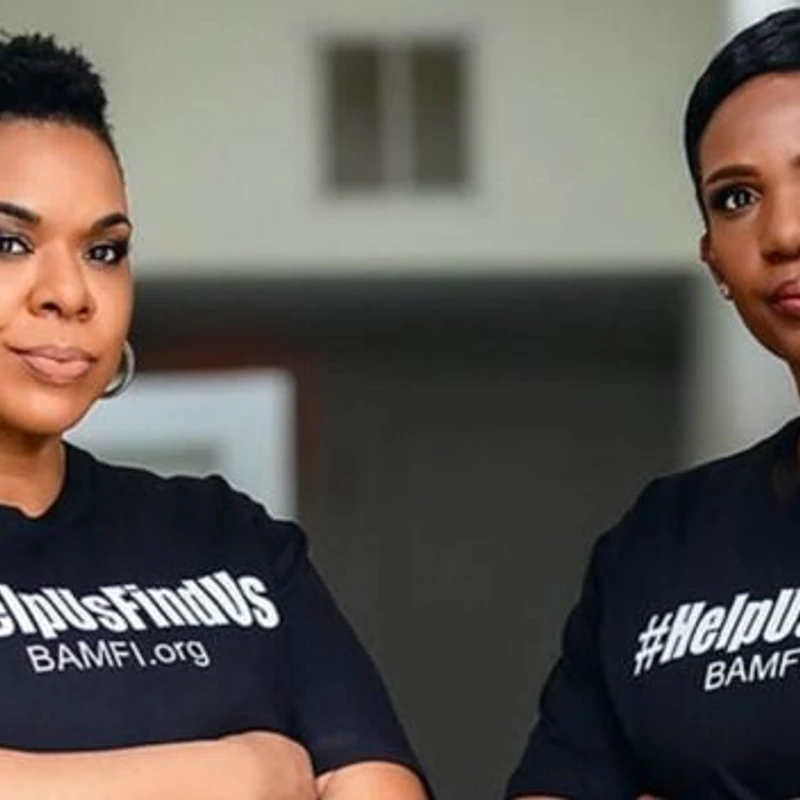
When a Black person goes missing in the United States, the odds are stacked against them from the start. It’s not just about the chances of being found, but also about whether their story will ever reach the public eye. This stark reality is what drove Natalie Wilson and her sister-in-law, Derrica Wilson, to establish the Black and Missing Foundation (BAMF) in 2008.
Challenging ‘Missing White Woman Syndrome’
Natalie Wilson recounted a heartbreaking example: Tamika Houston, a missing Black woman whose case received virtually no media attention, while the disappearance of Natalee Holloway, a white teenager, dominated headlines a year later. Despite Tamika’s aunt reaching out to the same media outlets, she was met with silence. This disparity highlights the phenomenon journalist Gwen Ifill termed ‘missing white woman syndrome’ – the disproportionate media coverage afforded to missing white women compared to missing Black people and other demographics.
The Wilsons discovered this pattern was far from isolated. People of color constitute 40% of reported missing persons in the U.S., a figure that has increased since BAMF’s founding. The founders, combining Natalie’s media relations expertise with Derrica’s law enforcement background, aim to bridge the gap where media coverage and investigative resources often fall short for these communities.
Shifting the Narrative and Applying Pressure
For years, missing Black men were often stereotyped as criminals, and missing Black girls were dismissed as runaways or promiscuous. BAMF is dedicated to changing this narrative, emphasizing that these individuals are sons, daughters, mothers, fathers, and neighbors who are disappearing at an alarming rate. Families often turn to BAMF as a last resort when law enforcement and media outlets fail to provide adequate support.
Derrica explained how BAMF’s involvement helps motivate law enforcement. “When these families are coming to us and then we’re following up with law enforcement, it actually helps get some fire under them because they know that someone else is looking,” she said. By bringing visibility to cases through media outreach and social media campaigns – their platform is often called the ‘digital milk carton’ – BAMF applies pressure for more resources to be dedicated.
Building Partnerships and Expanding Reach
Over nearly 18 years, BAMF has built crucial partnerships with organizations like NBC’s “Dateline,” the National Association of Black Journalists, and various newsrooms. They’ve also influenced best-practice guides for media and law enforcement, addressing the lack of a consistent national approach to missing persons cases. Natalie noted, “We can pick up the phone and call or send a message saying, ‘Hey, I need coverage,’ and they’re there.”
The foundation’s impact extends into popular culture, with Natalie’s work inspiring NBC’s series “Found” and the HBO docuseries “Black and Missing.” Derrica co-founded BAMFI Enterprises, a production company focused on content about missing persons of color. These projects help increase awareness, leading to more calls for assistance and allowing more people to see themselves reflected in the issue.
Community Engagement and the Ultimate Goal
BAMF’s annual “Hope Without Boundaries 5K Run/Walk” is a significant event that brings together community members, advocates, and families to raise awareness and funds. Derrica described the day as “a day of hope,” celebrating families who have found answers or reunification through the foundation’s efforts.
The organization is expanding its reach with street teams in high-need cities like Chicago, Atlanta, Detroit, and Baltimore. These teams will focus on community education and rapid response. However, the Wilsons’ ultimate goal is for the Black and Missing Foundation to become obsolete. “The ultimate goal down the road is for the Black and Missing Foundation to die a natural death. And that will happen when all cases, regardless of race, gender, and zip code, are treated the same manner by law enforcement and the media,” Derrica stated.
How can we better support missing persons of color in our communities? Share your thoughts and ideas in the comments below, and remember to share missing person flyers when you see them!
Leave a Reply