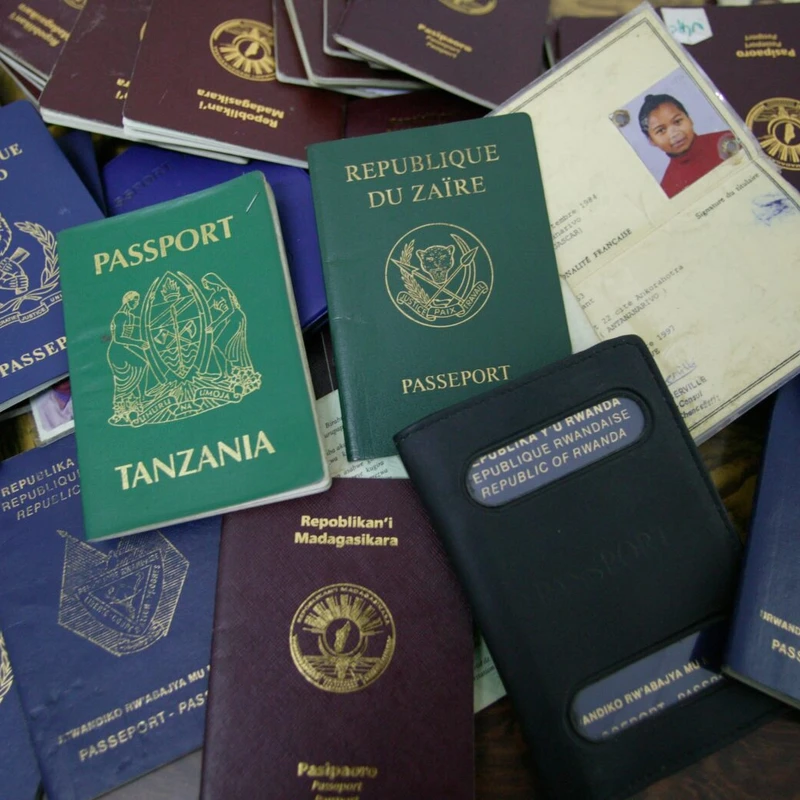
Dreaming of exploring the world is a universal desire, but for millions, that dream comes with a significant asterisk. The reality of traveling often begins not with choosing a destination, but with navigating a complex system that dictates whether entry is even possible. This is the reality for those holding what are often called ‘weak’ passports.
From Dream to Document File
For travelers from many African, Caribbean, South Asian, and other nations, planning a trip transforms from an exciting prospect into a demanding administrative project. The initial excitement of finding a flight deal or booking a hotel is quickly overshadowed by the crucial question: “Will this country let me in?” This question dictates every step, turning a potential vacation into a meticulous process requiring bank statements, proof of employment, hotel reservations, invitation letters, and immense emotional resilience.
The 2026 Henley Passport Index highlights this disparity, ranking Singapore at the top with visa-free access to 192 destinations, while Afghanistan sits at the bottom. This vast difference means that for millions, seeing the world, advancing careers, visiting loved ones, or attending professional events requires navigating a bureaucratic maze.
Risk Management Becomes the First Step
While travelers with strong passports might simply choose a city and book their trip, those with less powerful passports must approach planning as risk management. The decision to book a nonrefundable flight or even choose a destination is heavily influenced by visa timelines, appointment availability, and the potential for last-minute rule changes. Tools like the IATA Travel Centre are essential for verifying requirements, but the process often begins long before these checks.
Imagine wanting to visit Paris, New York, or Tokyo, but having to meticulously plan around visa application deadlines, secure round-trip flight reservations before knowing if you’ll get approval, and potentially risk losing money on nonrefundable bookings. This is the reality for many.
The Financial and Emotional Toll
The cost of travel extends far beyond the flight and accommodation. Visa fees, which are often nonrefundable, add up quickly. For a Schengen visa, the fee increased to €90 ($96) in June 2024, and this is on top of service charges, transportation to visa centers, and other administrative costs. For frequent travelers needing multiple visas annually, these application fees alone can amount to hundreds of dollars.
Beyond the financial strain, there’s significant emotional labor involved. Applicants often feel compelled to “prove” their stability, credibility, and genuine intent to return home. This involves meticulously documenting employment, travel history, family ties, and financial stability, making leisure travel feel more like presenting a case file. This constant scrutiny can flatten individual context, making even frequent travelers feel like a risk category rather than a welcome guest.
Strategies for Smarter Travel Planning
To navigate these challenges, frequent travelers with less powerful passports develop sophisticated strategies. They meticulously track visa-free destinations, countries offering e-visas or visas-on-arrival, and deliberately build a travel history through regional trips and consistent returns. This history, while not guaranteeing approval, can demonstrate reliability.
Financial prudence is also key. Flexible tickets, refundable hotel bookings, and comprehensive travel insurance become crucial when visa outcomes are uncertain. Some travelers avoid booking expensive, nonrefundable trips until they receive official approval, while others opt for destinations with simpler entry requirements to avoid additional administrative battles.
- **Dream Widely, Plan Precisely:** Separate inspiration from execution. Research thoroughly before booking.
- **Verify Information:** Always use official embassy websites and resources like IATA’s Travel Centre.
- **Read Requirements by Nationality:** Understand that visa rules depend on your passport, not just your residence.
- **Leverage Residence Permits:** If you hold a permit in another country, check if it offers different travel options.
- **Maintain a Document Folder:** Keep updated bank statements, employment letters, tax documents, and travel insurance readily accessible.
- **Build Travel History:** Consistent, well-documented trips can strengthen future applications.
Ultimately, a weak passport can make travel slower, more expensive, and emotionally taxing. However, it also cultivates a unique clarity and appreciation for access. These travelers understand the value of earning the right to explore, recognizing that travel is not just about the destination, but also the significant work required to be allowed entry.
Have you experienced the challenges of traveling with a ‘weak’ passport? What strategies have you found most effective? Share your insights and tips in the comments below!
Leave a Reply