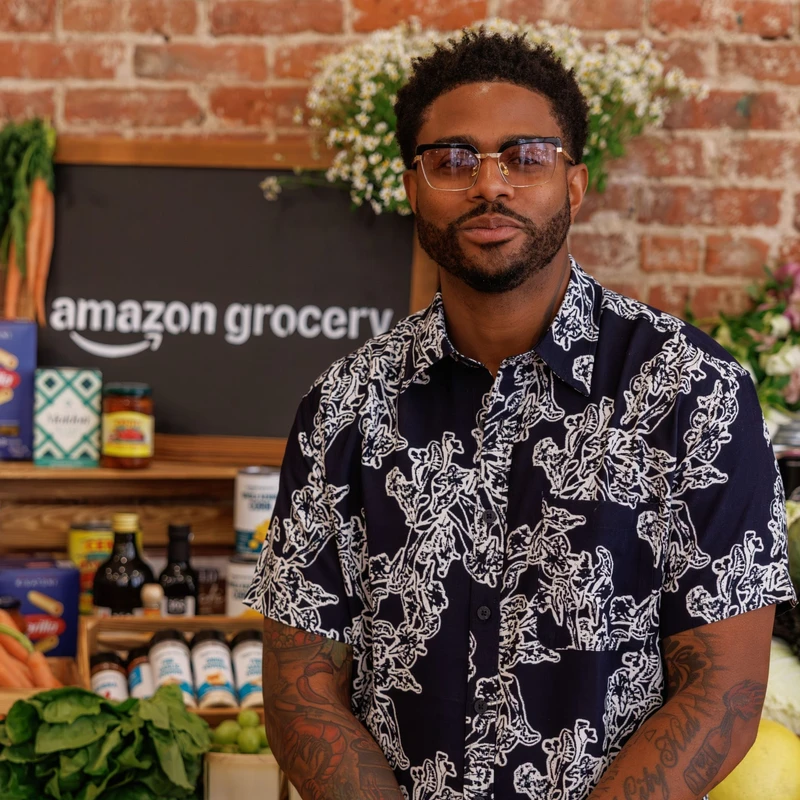
In today’s world, putting a meal on the table isn’t always as simple as deciding what you’re craving. With rising grocery costs, inflation, and the lingering effects of the pandemic, many families are facing the tough question: ‘What can I afford to eat?’ This challenge is compounded by food deserts, making it difficult to access not just affordable, but also healthy options. Renowned chef Kwame Onwuachi is tackling these issues head-on, sharing his culinary journey and his passion for making quality ingredients accessible to everyone.
Roots, Staples, and Community Flavors
Onwuachi’s cooking is deeply rooted in his mother’s kitchen. He recalls staples like rice, onions, garlic, and thyme as the foundational ingredients that still influence his culinary creations today. Growing up in New York City, surrounded by diverse influences from Caribbean, African, and Asian neighborhoods, he saw firsthand how food acts as a powerful connector, bringing communities together. These essential ingredients, once used to make the most of limited resources, are now elevated with his experience and intention.
His background, splitting time between the Bronx and Nigeria, gave him a unique perspective on the unpredictable nature of food access. This firsthand experience has shaped his understanding of food not just as sustenance, but as a fundamental matter of equity. Onwuachi is a vocal advocate for fighting food insecurity, supporting organizations like No Kid Hungry and The Family Reunion, and believes that access to nutritious food should be a basic human right, not a privilege.
Partnering with Amazon for Accessibility
Chef Onwuachi has recently partnered with Amazon to highlight initiatives aimed at removing barriers to affordable and convenient grocery shopping for low-income families. A key part of this effort is Rufus, Amazon’s new AI-powered shopping assistant designed to simplify meal planning and grocery shopping. Amazon Access offers a centralized hub for customers to find discounts and explore programs like SNAP EBT payment options, making shopping on Amazon more affordable.
Amazon also enhances convenience with fast delivery and pickup options, allowing customers to save time and money. Rufus, integrated into the Amazon app and website, offers personalized and intuitive shopping assistance. It can answer broad questions like “What do I need to make lasagna?” or suggest ingredient substitutions, and even provide specific product details like serving sizes. Onwuachi sees this partnership as a way to redefine accessibility, making it easier for people to get what they need, even when using SNAP benefits or shopping from areas with limited healthy food options.
- Amazon Access: A one-stop shop for discounts and programs like SNAP EBT.
- Convenient shopping options: Fast delivery, pickup, and in-store choices.
- Rufus AI Assistant: Personalized meal planning and grocery guidance.
- Focus on affordability: Providing everyday essentials at low prices.
Onwuachi shared his experience using Rufus to plan a luncheon, ensuring all items were EBT-eligible and available through Amazon Fresh. He emphasizes that tools like Rufus empower people in the kitchen, instilling confidence that cooking well is always within reach. He’s thankful for Amazon’s transparency and intentionality in providing affordable groceries and creating technology that simplifies putting food on the table.
Elevating Affordable Ingredients
When asked about often-overlooked, affordable ingredients that pack a punch, Onwuachi points to flavor boosters like the Scotch Bonnet pepper. He believes these ingredients carry deep flavor and cultural history, and his mission is to give them the spotlight they deserve. He notes that these flavorful ingredients are readily available through Amazon, and customers using SNAP benefits can shop for staples like onions, garlic, and thyme online.
Technology like Rufus can significantly boost kitchen confidence, especially for those on a budget or living in food deserts. Onwuachi explains that Rufus provides inspiration and guidance, helping users make the most of limited ingredients or tight budgets. By asking Rufus questions like “Can you suggest a dinner made up of SNAP-eligible ingredients?” or “What’s a filling, affordable meal for a family of four?”, users receive personalized, practical answers that remove barriers to creating delicious, nourishing, and culturally meaningful meals.
Bringing Fine Dining to Everyone
With his experience opening highly acclaimed restaurants, Onwuachi envisions translating that level of quality and creativity into more accessible spaces. He aims to open eateries focused on fresh, flavorful, and healthy food for wider communities, or explore prepared and frozen meal options that maintain nutritional value without compromising taste. His ultimate goal is to create experiences where thoughtful, delicious, and nourishing meals are not just for special occasions, but a regular part of everyone’s lives.
What are your favorite affordable ingredients that elevate a dish? How do you think technology like Rufus can help make healthy eating more accessible? Share your thoughts in the comments below!
Leave a Reply