In a surprising turn of events, South Africa’s draft National Artificial Intelligence Policy has been withdrawn. The reason? The policy document reportedly included AI-generated ‘fictitious sources’ that were cited without proper verification, raising serious questions about its integrity.
The Goal of South Africa’s AI Policy
This draft policy, spearheaded by the Department of Communications and Digital Technologies, had ambitious goals. It aimed to foster AI development across research, talent cultivation, and infrastructure. The overarching vision was to leverage AI for a more digital society, a robust digital economy, and greater digital inclusion throughout South Africa.
The intention was clear: to drive economic growth, enhance societal well-being, and position South Africa as a significant player in global AI innovation. However, the execution has unfortunately led to a significant setback.
An Unacceptable Lapse in Verification
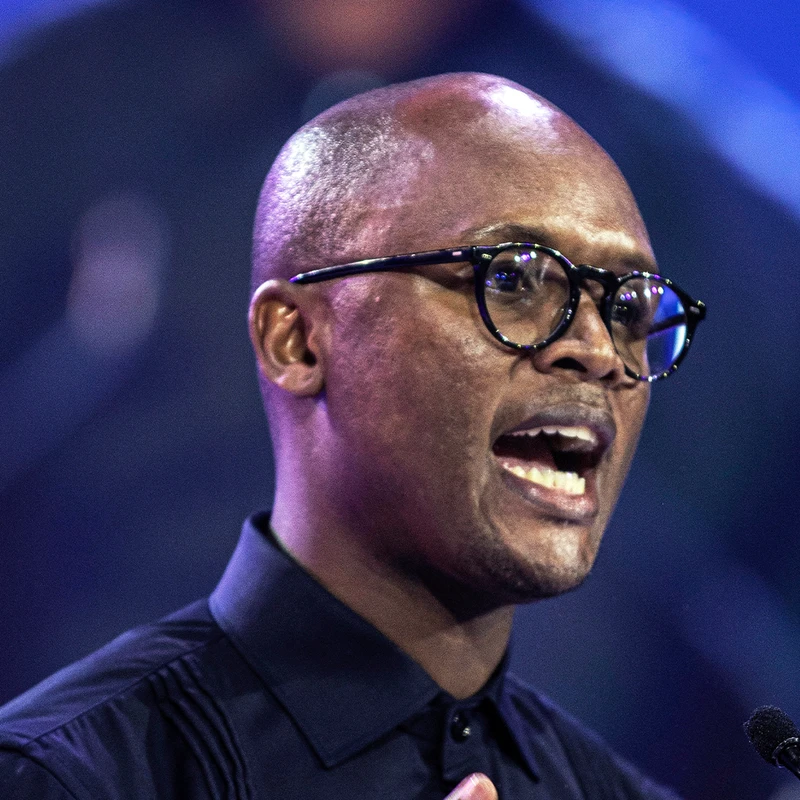
Minister of Communications and Digital Technologies, Solly Malatsi, took to LinkedIn to address the issue directly. He confirmed that internal reviews had verified the inclusion of AI-generated citations that were not real. This wasn’t just a minor oversight; it was a critical failure.
Malatsi stated, “This failure is not a mere technical issue but has compromised the integrity and credibility of the draft policy.” He emphasized that the Department of Communications and Digital Technologies did not meet the expected standards for an institution leading the nation’s digital policy. The most likely explanation points to AI-generated citations being included without the necessary human verification.
The Critical Need for Human Oversight
This incident serves as a stark reminder of why vigilant human oversight is absolutely crucial when working with artificial intelligence. Malatsi acknowledged the gravity of the situation, calling it an “unacceptable lapse” and a “lesson we take with humility.” He assured the public that the matter is being treated with the seriousness it deserves.
Furthermore, Malatsi promised “consequence management” for those responsible for the drafting and quality assurance processes that allowed this error to occur. It’s a clear message that accountability is paramount.
What are your thoughts on this AI policy withdrawal? How can governments ensure AI-generated content is properly verified? Share your insights in the comments below!
Leave a Reply