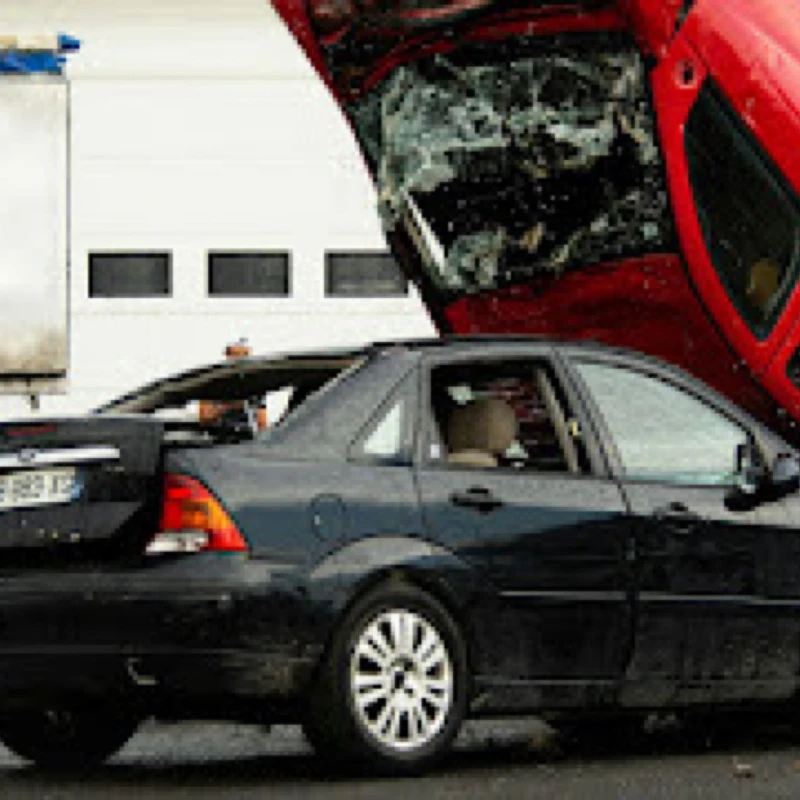
Los Angeles, a city synonymous with glamour and speed, has also been the stage for some of the most shocking and high-profile car crashes. While the immediate aftermath often dominates headlines, the true story unfolds long after the cameras fade – in the courtroom. These notorious incidents don’t just involve individual tragedies; they create significant legal ripples that shape everything from insurance policies to city planning and public safety standards.
Celebrity Crashes: Privacy Under the Spotlight
When a celebrity is involved in a crash, the legal proceedings become a public spectacle. The intense media scrutiny tests the boundaries of privacy, turning personal medical records and private lives into subjects of public fascination and legal discovery. These cases often grapple with complex liability questions: Was the star at fault, or were they a victim of paparazzi, a vehicle malfunction, or another driver’s negligence? The substantial financial settlements in these cases can also inadvertently set informal benchmarks for the perceived value of certain injuries, influencing future legal claims.
The tragic death of Paul Walker, for example, brought renewed attention to the dangers of high-speed driving and the safety of modified vehicles, potentially influencing legislation and public awareness around these issues.
Freeway Pileups: Untangling Fault and Human Cost
The sprawling freeways of LA, like the I-5, 101, and 405, are often the sites of catastrophic chain-reaction crashes. These disasters, involving dozens of vehicles, multiple fatalities, and countless injuries, present a monumental legal challenge. Accident reconstruction experts are tasked with the painstaking work of determining the initial cause – was it a speeding truck, a distracted driver, sudden weather conditions, or faulty road signage? California’s pure comparative negligence rule means courts must meticulously untangle shared fault among numerous parties, often leading to massive global settlements and profound wrongful death claims that underscore the devastating human toll of freeway negligence.
Infrastructure Defects: Holding Agencies Accountable
Sometimes, crashes expose dangerous flaws in our infrastructure. A fatal accident at a poorly designed intersection or on a treacherous canyon road can lead to lawsuits against government entities like the City of Los Angeles or Caltrans. These claims face strict deadlines under the California Tort Claims Act. However, proving that a government agency was aware of a hazardous condition – such as a missing guardrail or inadequate lighting – and failed to act can force long-overdue safety improvements. The legal discovery process in these cases can reveal crucial internal documents and traffic studies, holding powerful agencies accountable to the public.
Evidence in the Public Eye and Legal Strategy
In high-profile LA crashes, evidence gathering is far from a quiet affair. Bystander videos go viral instantly, and news helicopters broadcast scenes live. This public evidence can be a double-edged sword, potentially proving fault but also revealing details like a plaintiff not wearing a seatbelt. The court of public opinion forms rapidly, influencing jury pools and settlement negotiations. Lawyers must navigate this media-saturated environment, ensuring that legally admissible evidence is preserved and presented effectively. As one seasoned Los Angeles car accident lawyer noted, “When the world is watching, every legal move is amplified… Our strategy must be airtight, and our communication must be precise.”
These cases underscore that legal work extends beyond the individual client, serving to reinforce accountability and demonstrate that the rules of the road apply equally to everyone.
The Lasting Impact: Beyond the Verdict
The conclusion of these legal battles often sparks broader societal changes. A significant verdict against a drunk driver’s employer, for instance, can lead to increased vigilance from establishments serving alcohol. Settlements involving defective auto parts can trigger recalls and industry-wide safety reviews. The public discourse surrounding these tragedies can also galvanize communities to advocate for traffic calming measures and improved road safety. In essence, the legal fallout from a single crash can become a catalyst for systemic improvements, making Los Angeles’s streets safer for millions.
What are your thoughts on the legal system’s role in addressing road safety after major accidents? Share your perspective in the comments below!
Leave a Reply