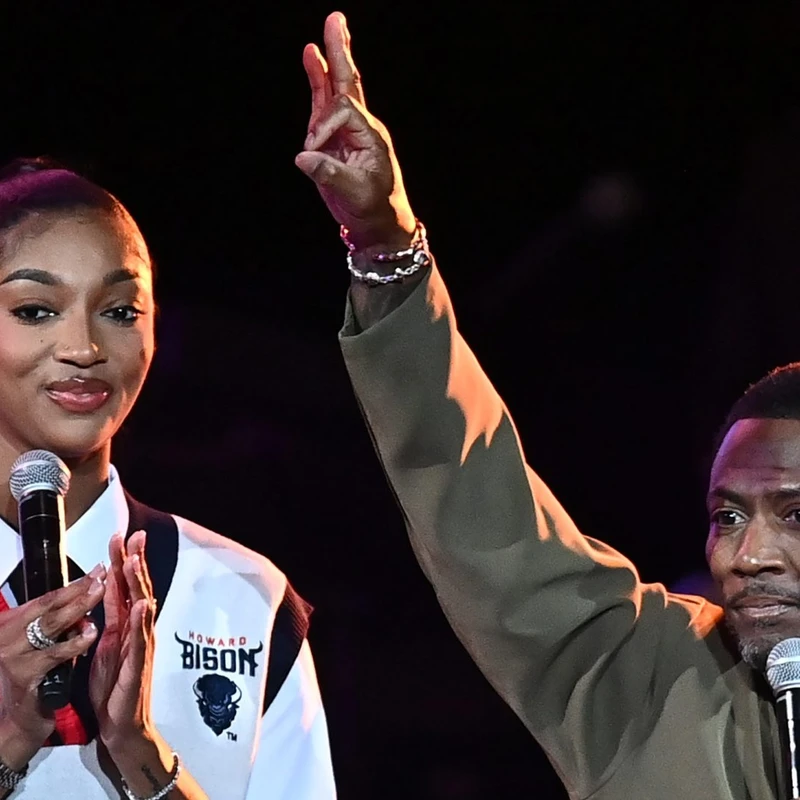
It’s a powerful moment when cultural icons openly celebrate the profound impact of Historically Black Colleges and Universities (HBCUs). This past week, Grammy winner Victoria Monét and basketball star Angel Reese have both shared their deep connections and admiration for these vital institutions, underscoring the life-changing benefits they offer Black students.
Celebrities Championing HBCU Culture
Victoria Monét recently surprised the Spelman College dance team, the Jaguarettes, expressing her excitement to finally visit a campus she once dreamed of attending. Similarly, Angel Reese, sporting Howard University gear at the HBCU Aware Fest, spoke about her long-held desire to attend “The Mecca” because of its unique culture and strong sense of community.
These moments of affirmation are more than just celebrity endorsements; they align with compelling research. A recent study by Dr. Marily Thomas found that Black students who attend an HBCU, even for just one year, experience significantly better health outcomes later in life. These individuals report lower stress levels and stronger cognitive function, suggesting HBCUs contribute to longer, healthier lives by reducing racialized stress through a powerful sense of belonging.
Beyond Academics: Safety, Belonging, and Healing
For many Black students navigating predominantly white institutions (PWIs), the experience can be fraught with racialized stress, questioning their worth and belonging. Nearly 46% of Black students report experiencing racism in schools, leading to eroding racial self-esteem. The author shares a personal journey from feeling undervalued and unsafe in a PWI environment to finding a grounded sense of self-worth and community at Howard University.
Maslow’s Hierarchy of Needs highlights that foundational needs for safety and belonging must be met before individuals can achieve self-esteem and self-actualization. In many PWIs, these needs are unmet due to racist and discriminatory experiences, leading to chronic stress and what researchers call “allostatic stress” – the wear and tear from constant hypervigilance. This can manifest as anxiety, headaches, and stomach pains.
The Transformative Power of the HBCU Environment
HBCUs provide a crucial buffer against this constant stress. In these environments, students can unlearn harmful self-beliefs and confront societal inequalities from a place of safety and belonging. This psychological safety allows students to focus, take academic risks, and grow during their formative years. As author Ta-Nehisi Coates described his experience at Howard, it was a place to encounter “the vastness of Black people,” reshaping his self-perception.
Even brief exposure to an HBCU can have a lasting impact, as Dr. Thomas’s research affirms. This cultural significance is increasingly recognized, with bipartisan legislative efforts aimed at increasing HBCU research funding, acknowledging their essential role in the long-term health and success of Black communities.
- Reduced racialized stress through a strong sense of belonging.
- Improved mental and physical health outcomes.
- Enhanced self-esteem and cognitive functioning.
- A safe space to unlearn harmful stereotypes and build community.
- Academic and personal growth in a supportive environment.
Despite facing challenges, including restrictions on teaching race nationwide, Black students are enrolling in HBCUs in record numbers, drawn by the promise of safety, affirmation, and culture. These institutions are not relics of the past; they are essential to our future, providing Black students with the invaluable space to belong, heal, and thrive.
What has been your experience with HBCUs, either as a student or an observer? How important is the sense of belonging in an educational environment? Share your thoughts in the comments below!
Leave a Reply