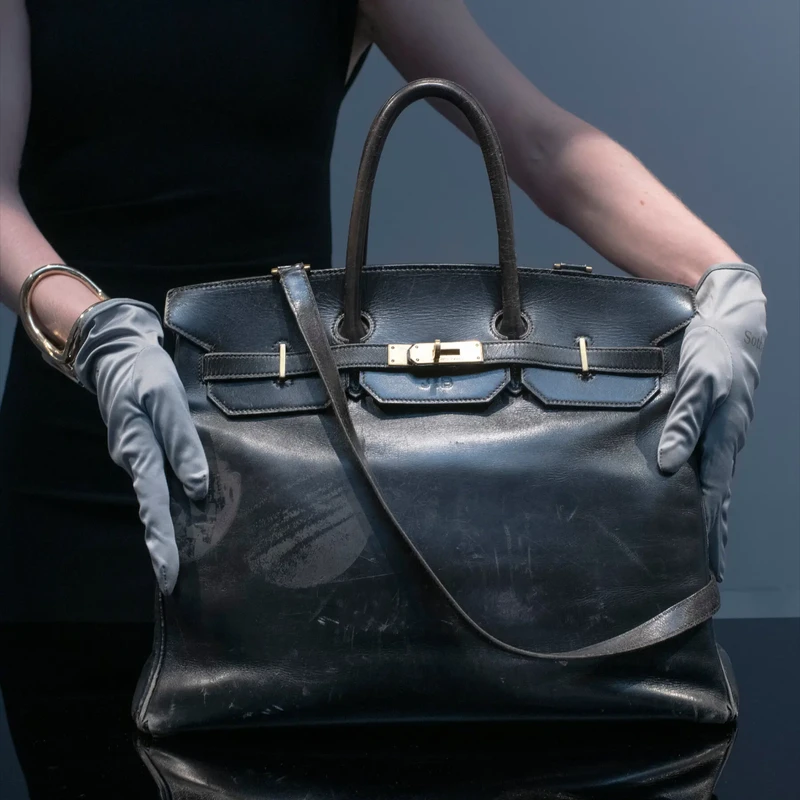
Think your Hermès Birkin is just a stylish accessory? Think again. For over 40 years, this iconic handbag has quietly established itself as one of the most consistent appreciating assets available, outperforming traditional investments like gold and even the S&P 500. It’s a luxury item that’s also a serious financial play.
From a Sketch to a Financial Powerhouse
The Birkin’s story began in 1984 with a simple sketch on a plane by Jean-Louis Dumas, inspired by actress Jane Birkin’s need for a practical yet elegant bag. That initial $2,000 idea, a Birkin 40 in box calf leather, didn’t immediately set the fashion world ablaze. In the late 80s and early 90s, Chanel still dominated the luxury landscape, and the Birkin maintained a more low-key presence.
However, Hermès strategically played the long game. Instead of rapid price hikes, they gradually increased prices over decades, carefully balancing inflation with intentionally limited supply. This steady approach built a strong foundation, setting the stage for the Birkin’s explosion in popularity during the 90s ‘It Bag’ era, further amplified by its iconic appearance on ‘Sex and the City’ in 2001, which created years-long waiting lists.
The Numbers Don’t Lie: Birkin vs. Traditional Investments
By 2026, the Birkin’s financial performance is undeniable. A Birkin 30, which retails for around $14,900, has seen a 645 percent increase since its inception. But the real story unfolds in the secondary market, where the same bag averages about $22,300, with some fetching significantly higher prices based on condition, color, and material. This means the bag often holds or even increases its value the moment it leaves the boutique.
Studies reveal that the Birkin has delivered an average annual return of around 14.2 percent over decades. This impressive figure surpasses gold, which has experienced negative returns at times, and outperforms the S&P 500’s long-term average. Remarkably, the Birkin has never recorded a negative year in value, showcasing its unparalleled consistency.
The Hermès Strategy: Scarcity and Craftsmanship
This consistent appreciation isn’t luck; it’s a result of Hermès’ meticulous control over supply and demand. Each Birkin is handcrafted by a single artisan over nearly 20 hours, with production intentionally kept limited. Furthermore, purchasing a Birkin isn’t as simple as walking into a store; customers must build a purchase history, ensuring demand always outstrips supply. Hermès also never offers discounts, reinforcing the idea that prices only move in one direction: up.
The Resale Market and Key Factors
The resale market further solidifies the Birkin’s investment status. Sotheby’s has reported a surge in Birkin sales, with some collectors doubling their investment in just five years, especially for pristine bags in classic colors like black, gold, or étoupe. Rare pieces, such as the Himalaya crocodile Birkin, can command six-figure prices, and Jane Birkin’s original bag sold for an astonishing $10.1 million in 2025.
- **Condition:** Never-carried bags command the highest premiums.
- **Color:** Classic tones like black and gold tend to hold value better long-term than trendy colors.
- **Material:** Exotic leathers like crocodile or ostrich can significantly increase value, though at a higher initial cost.
- **Provenance:** The history and authenticity of the bag play a crucial role.
An Alternative Asset Class
Financial experts now view the Birkin less as a fashion item and more as an alternative asset. Its value doesn’t correlate with the stock market, offering diversification benefits. However, investing in a Birkin requires patience, proper storage, authentication, and understanding the nuances of the resale market – it’s a long-term strategy, not day trading.
With retail prices continuing to climb and resale premiums remaining strong, the Hermès Birkin occupies a unique space in the luxury market. Its consistent, decades-long appreciation makes it a standout investment, proving that sometimes, the most valuable assets are the ones that blend timeless style with strategic scarcity.
Do you own a Birkin, or aspire to? What are your thoughts on luxury handbags as investments? Share your insights in the comments below!
Leave a Reply